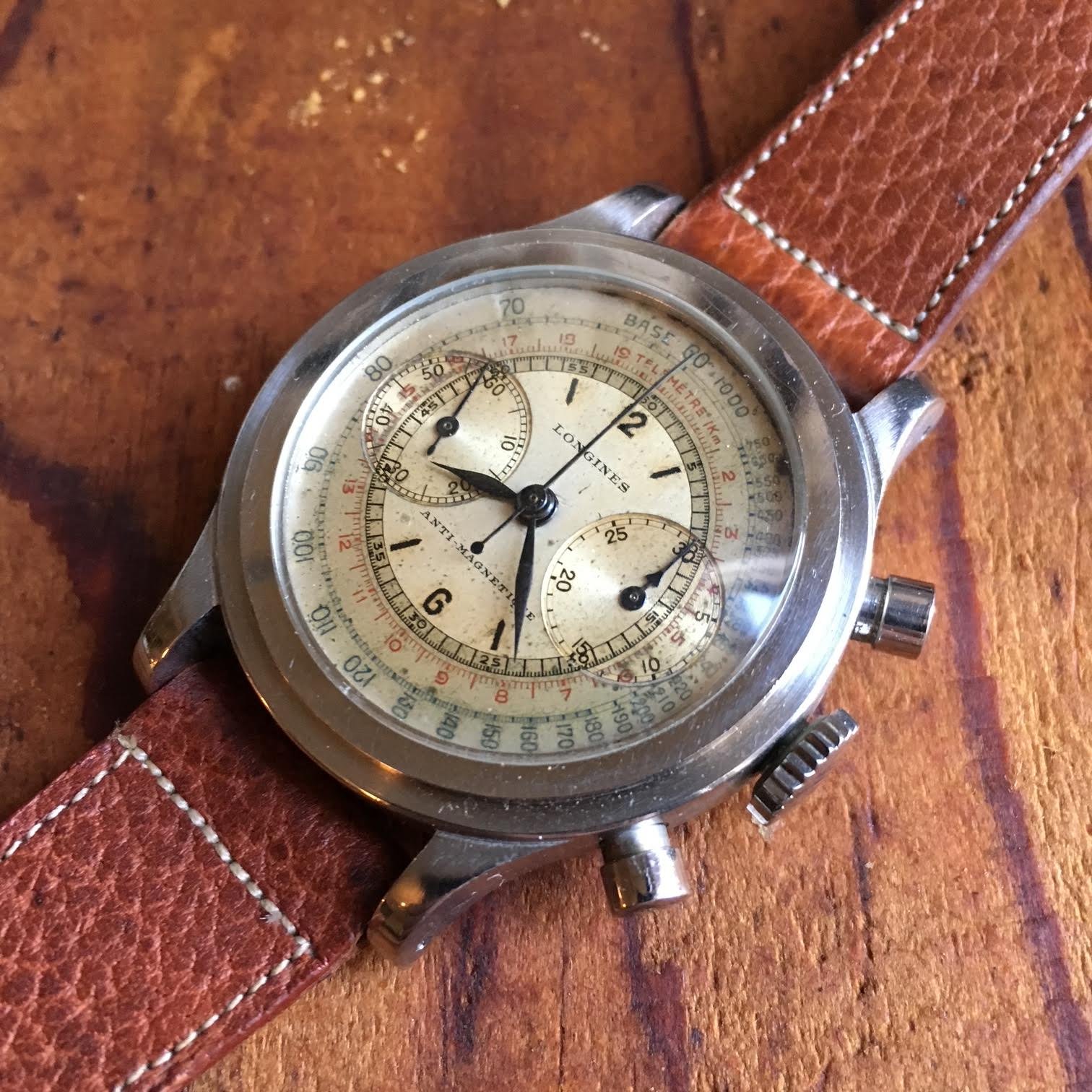
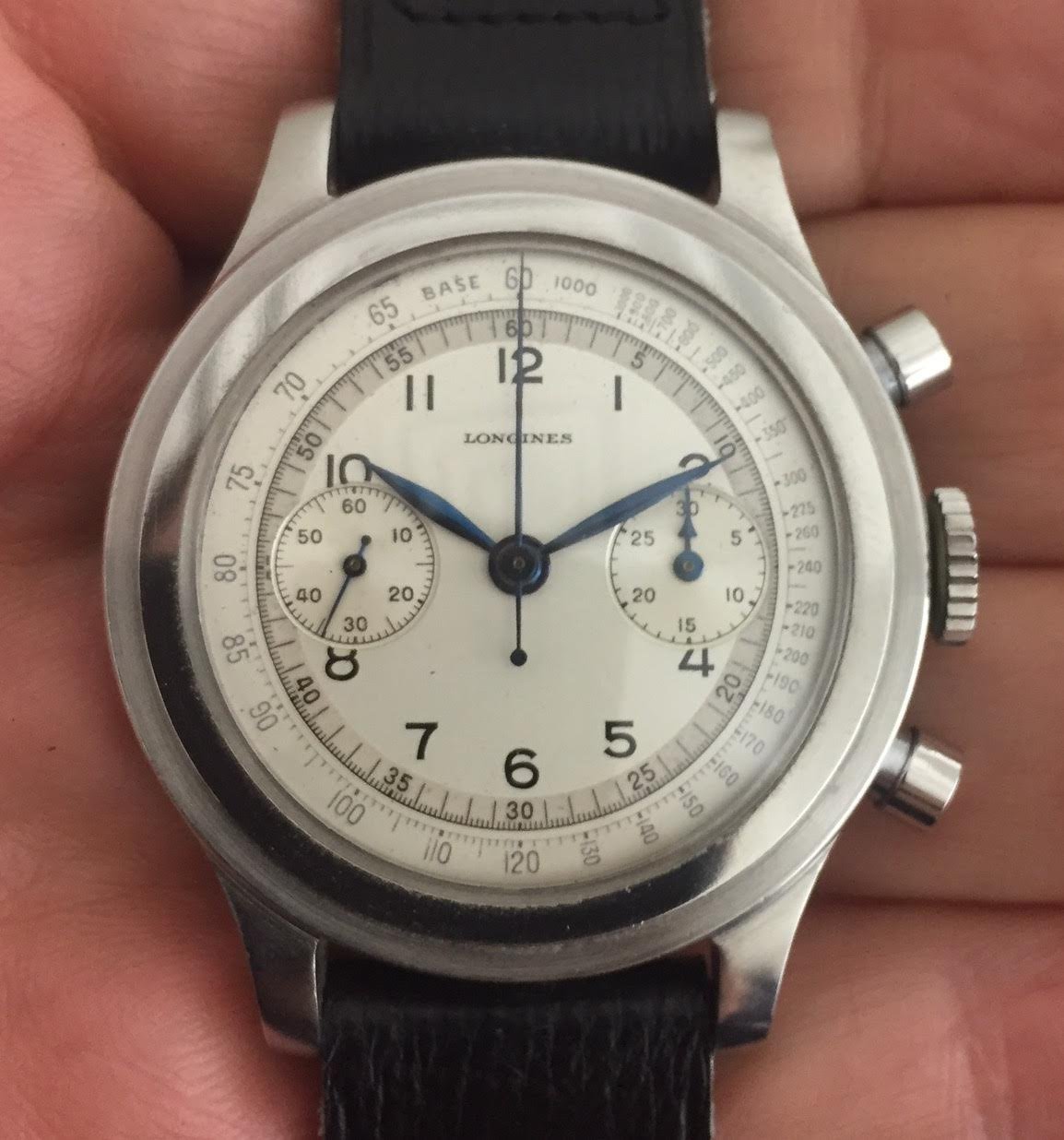
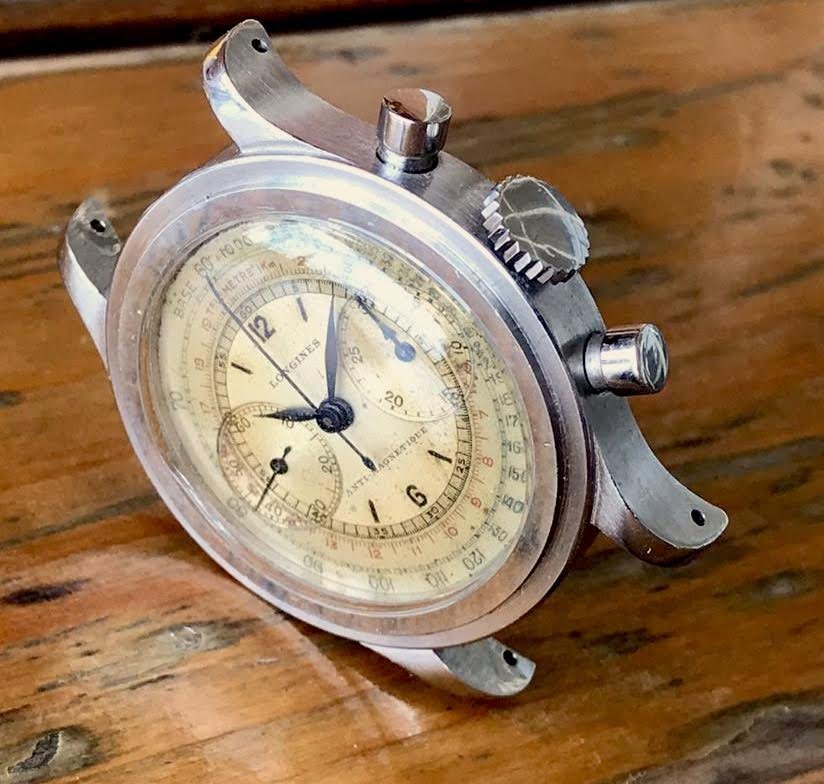
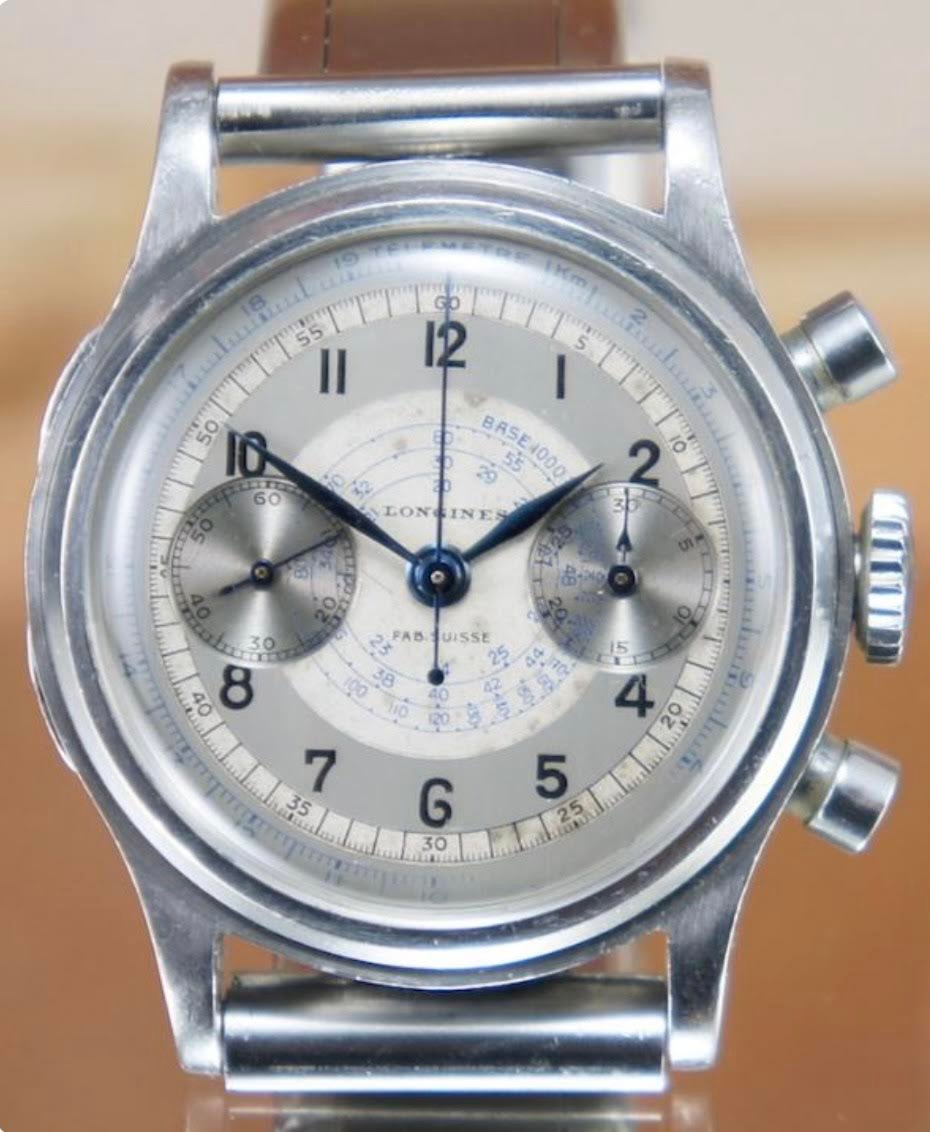
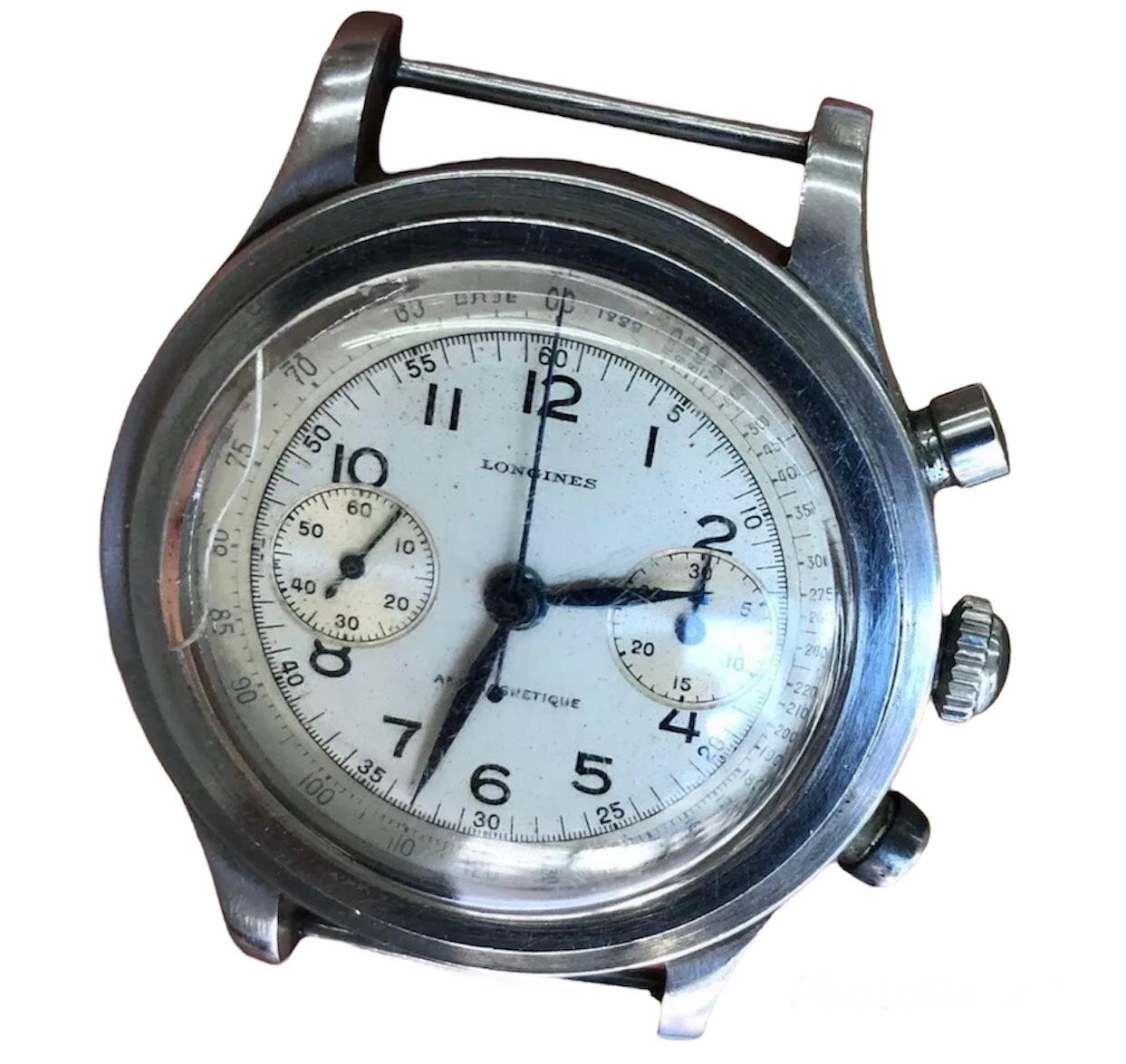
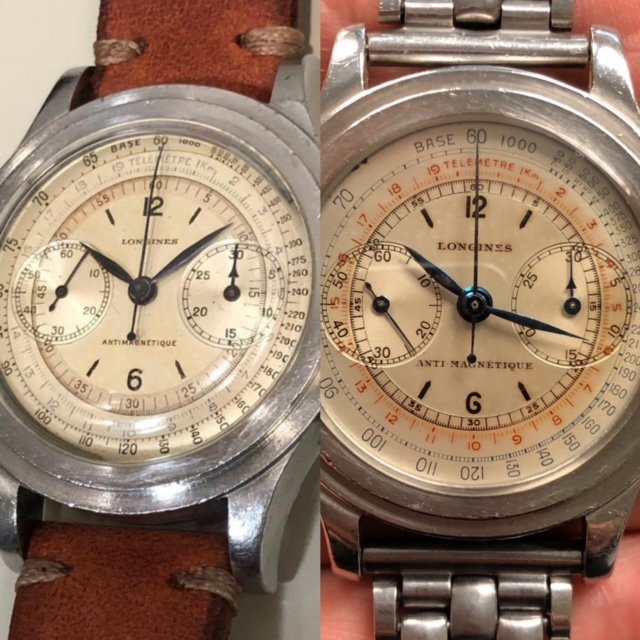
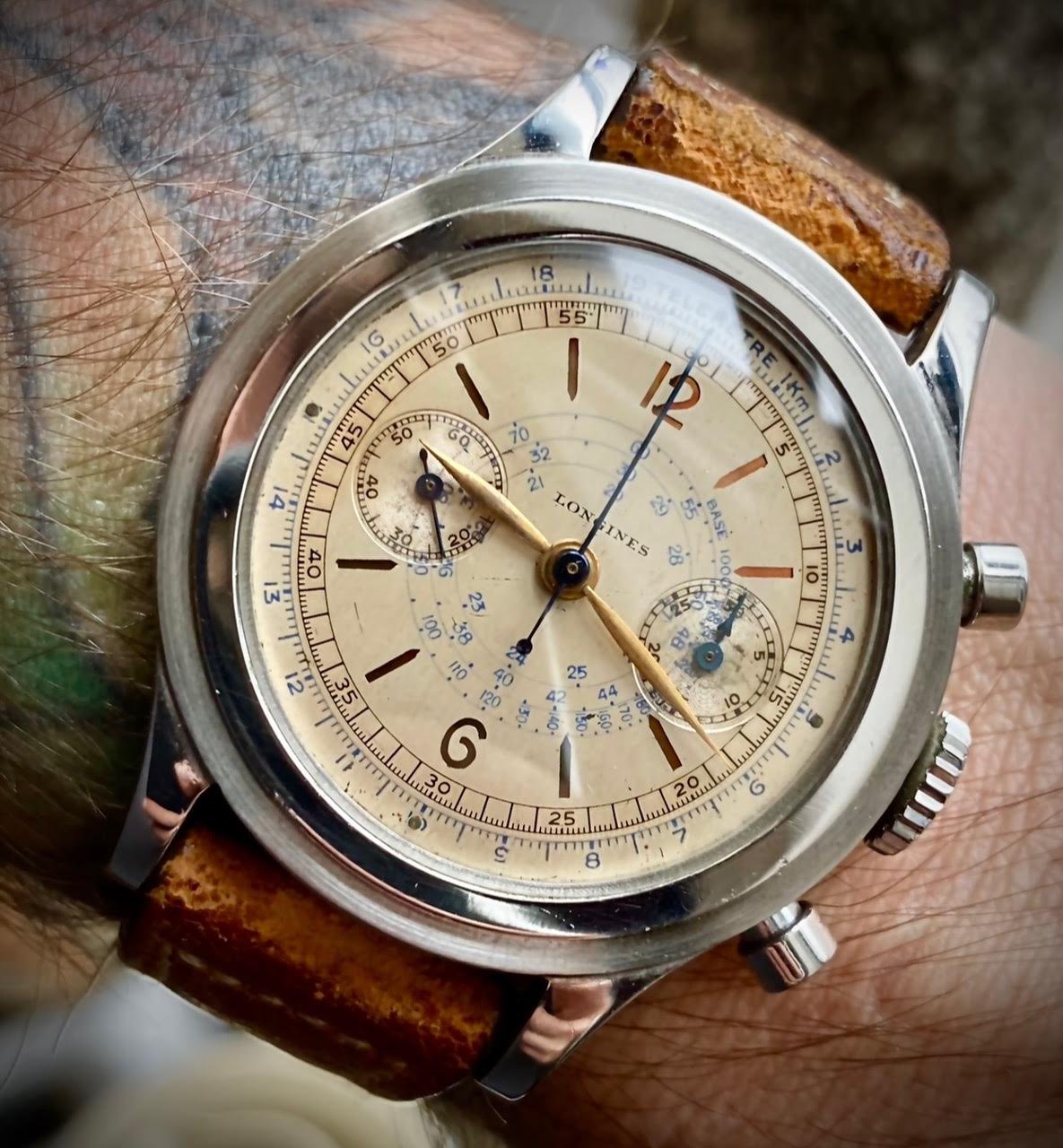
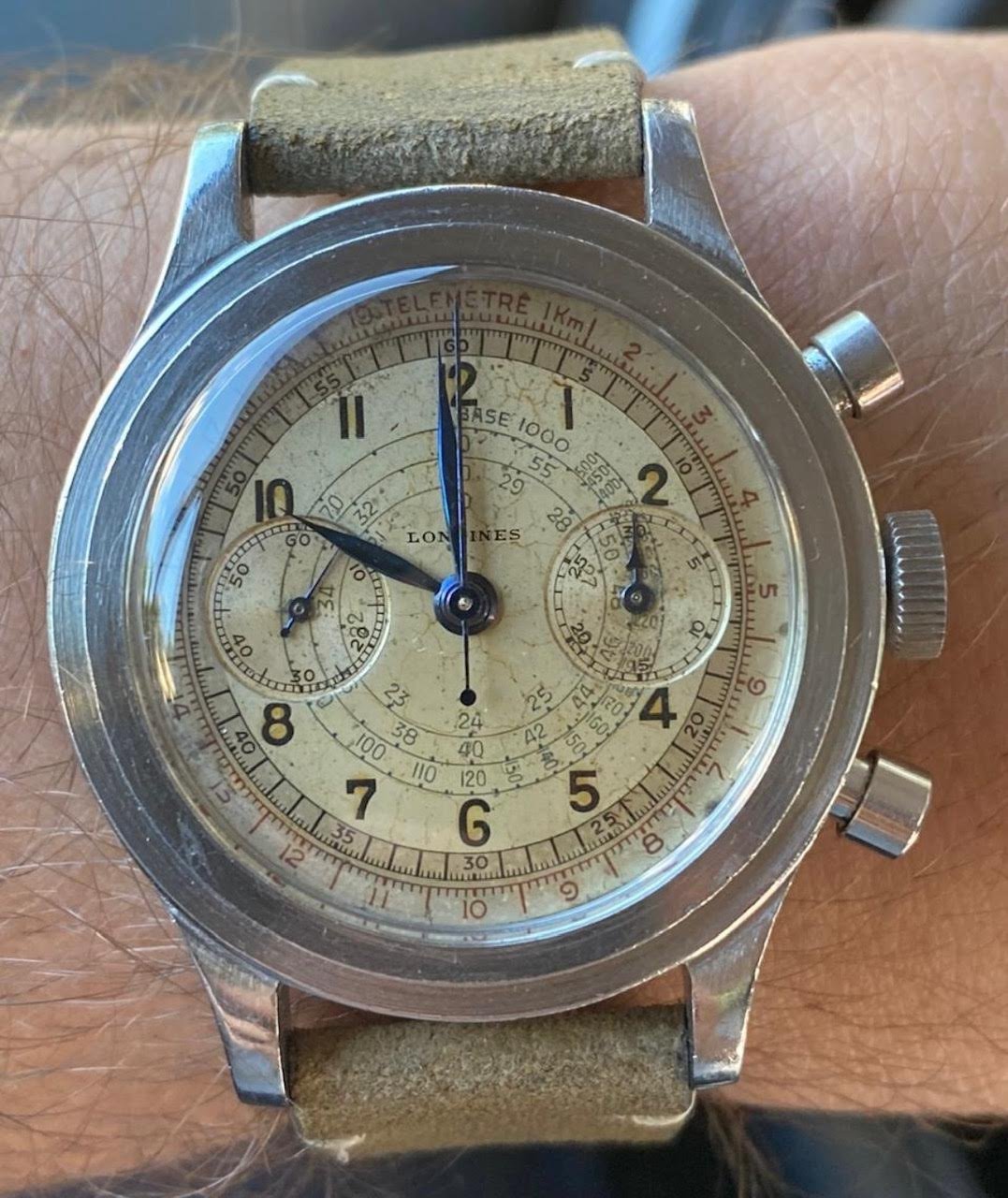
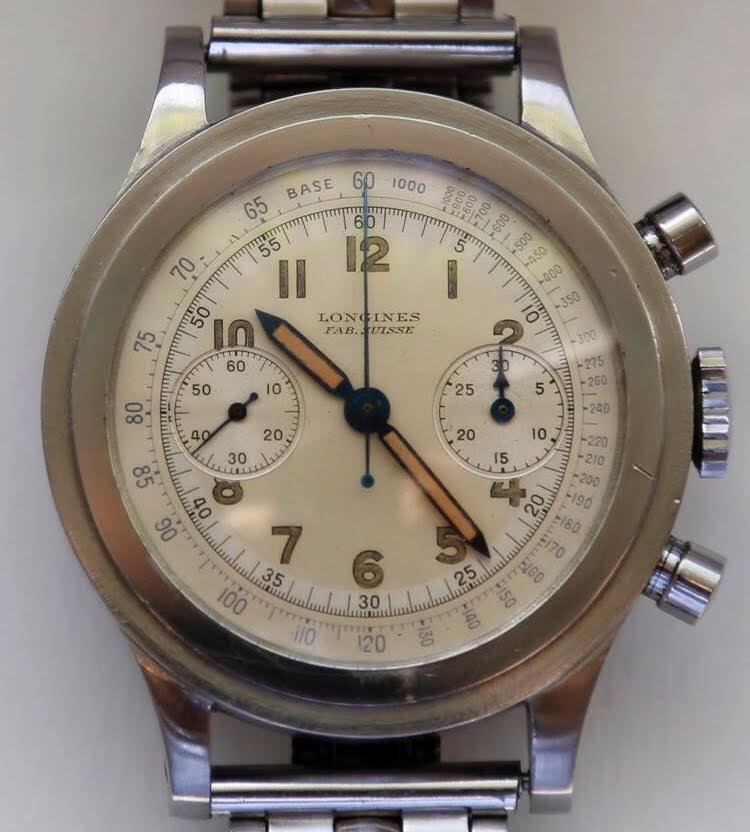
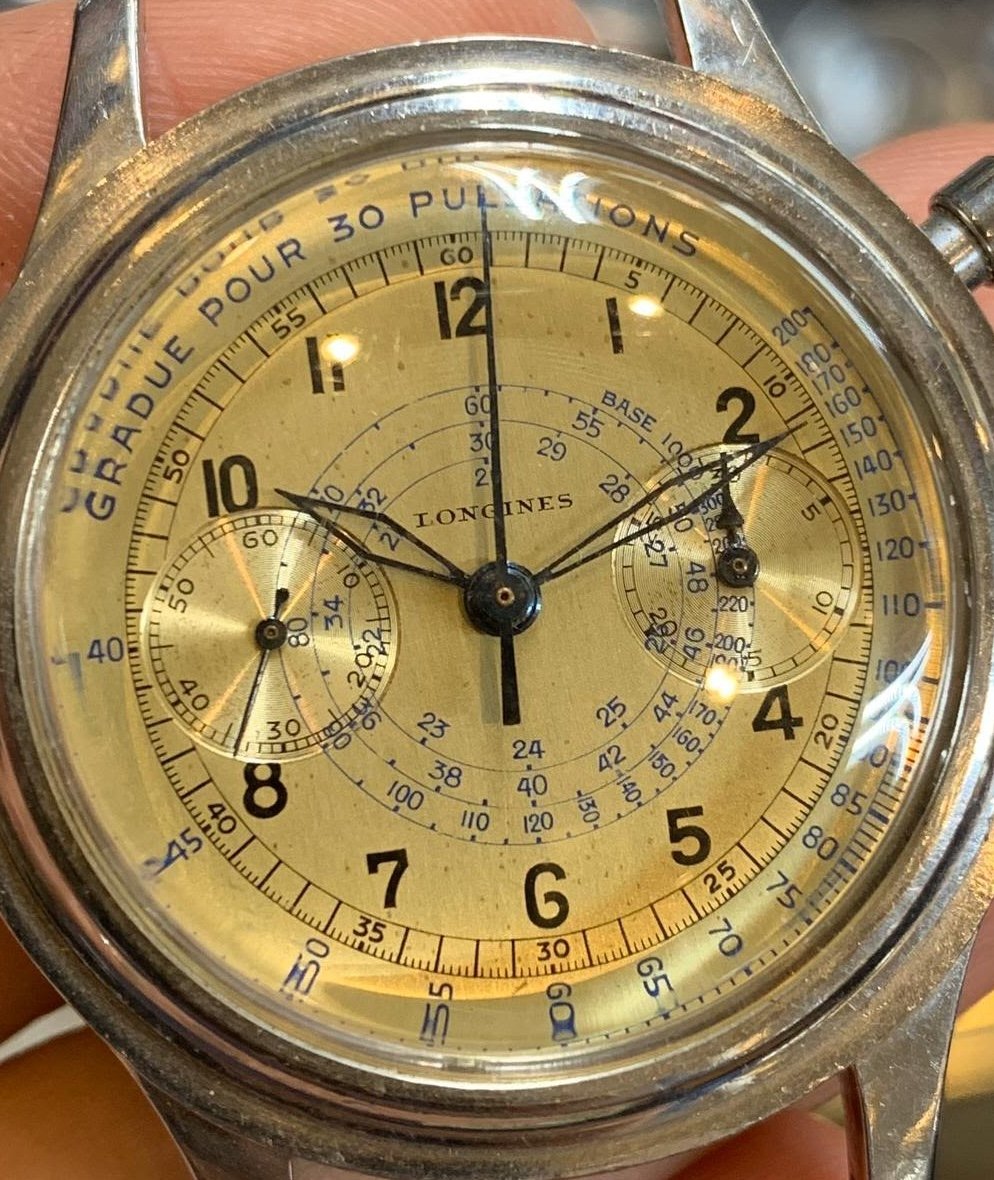
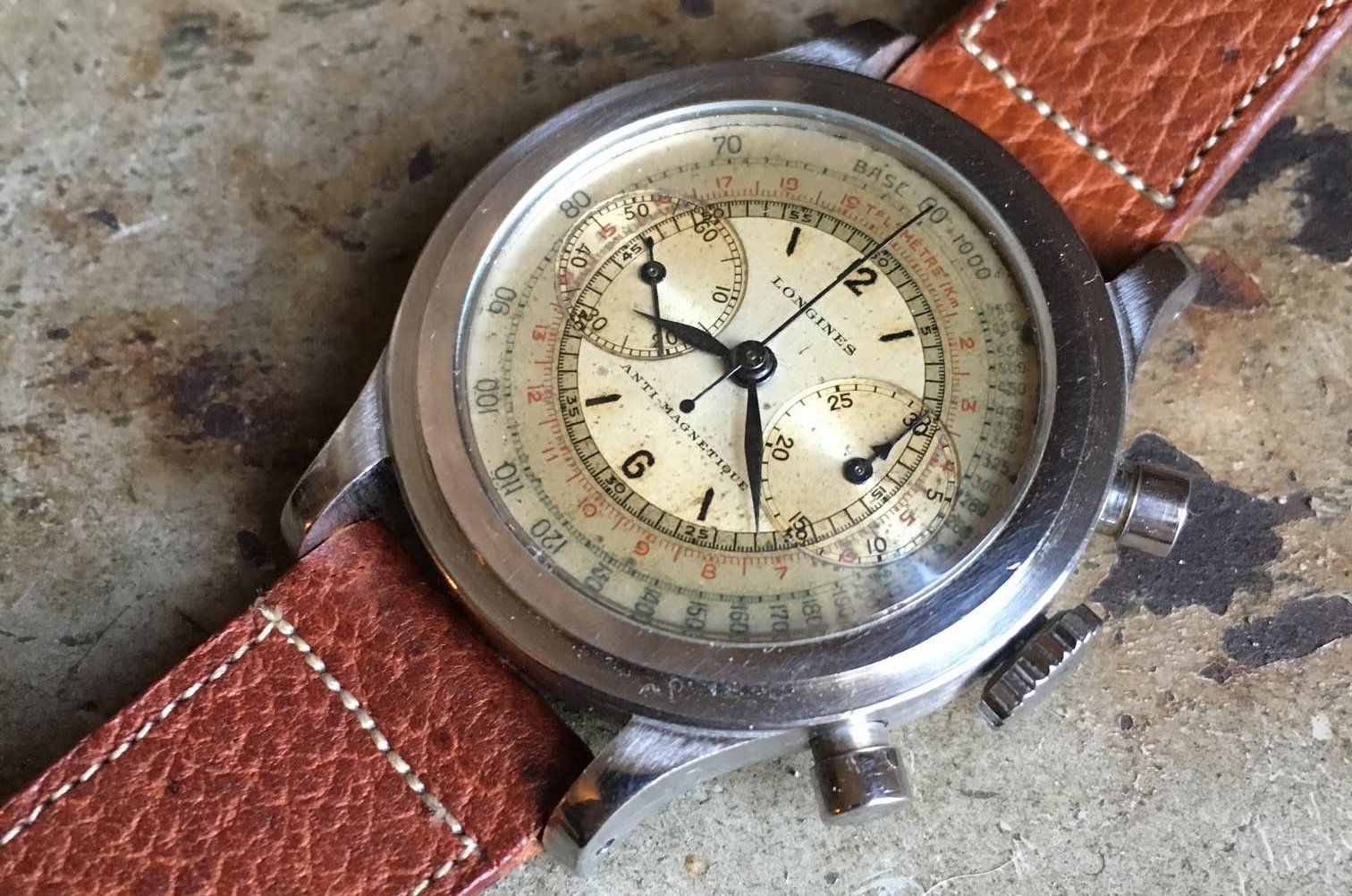
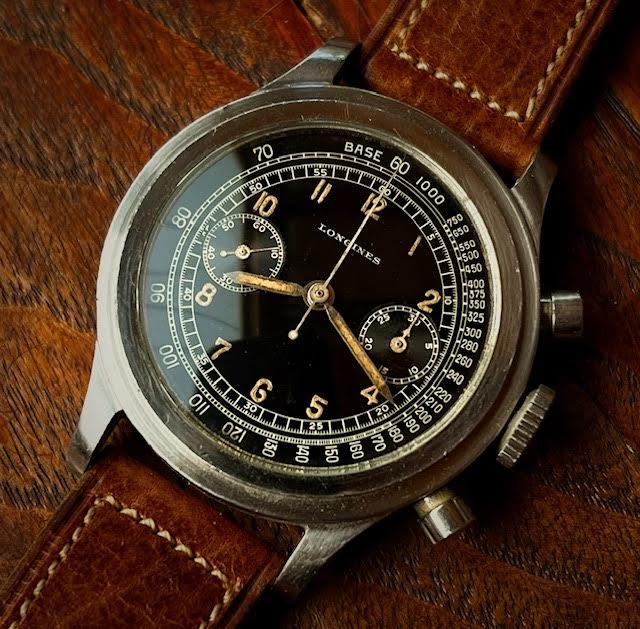
An untouched and Original 1942 reference 4974 with Iconic Stern made double silvered, triple scale “Anti-Magnetic” dial.
In this article
An Introduction to the Reference 4974
Longines has created many ground-breaking and iconic watches throughout the company’s long history, but for me, one reference has always stood out as the embodiment of the brand. The reference 4974, 13zn chronograph, often referred to as the “Tre-Tacche”, has all of the qualities I love in a wristwatch – quality, utility, beauty, and rarity. Its design is the perfect marriage of form and function, refined utility, balancing both ruggedness and elegance. The 4974 exemplifies all of the best qualities of 1940s chronographs, yet still looks as modern and relevant today as it did when it was created.
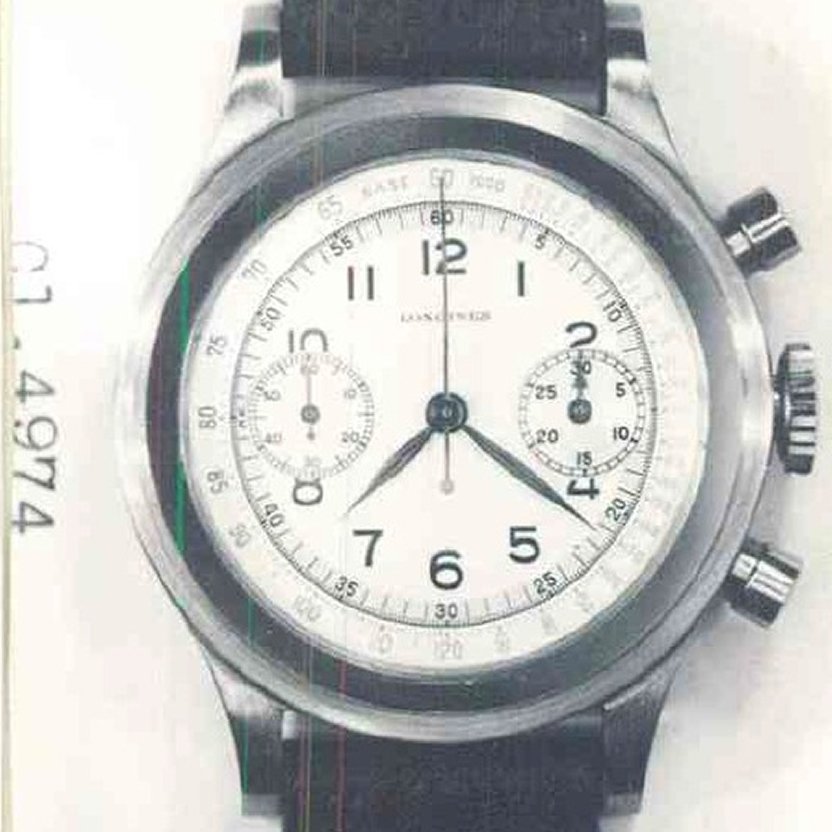
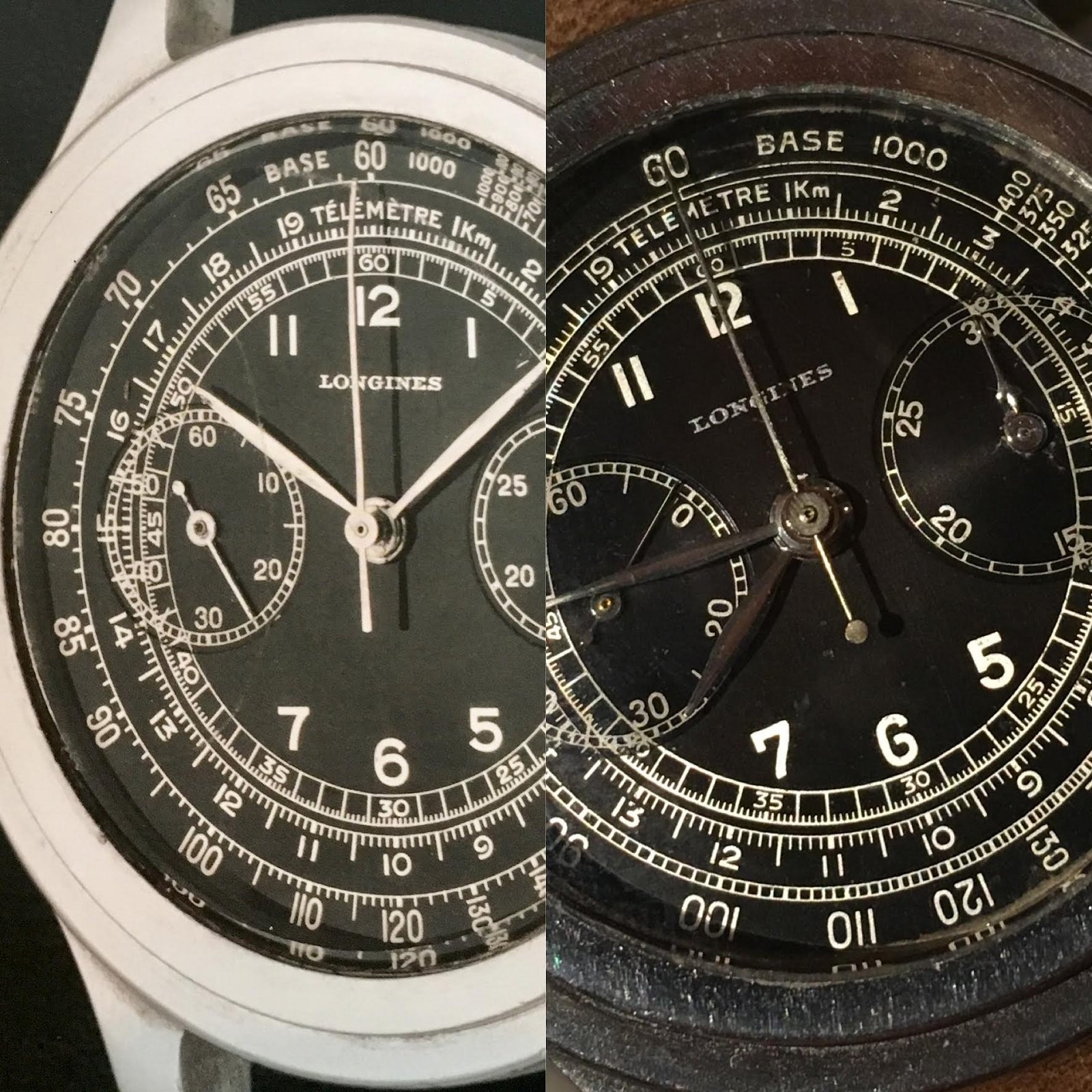
4974 reference image in Longines archive shown with white “ZJ” made dial.
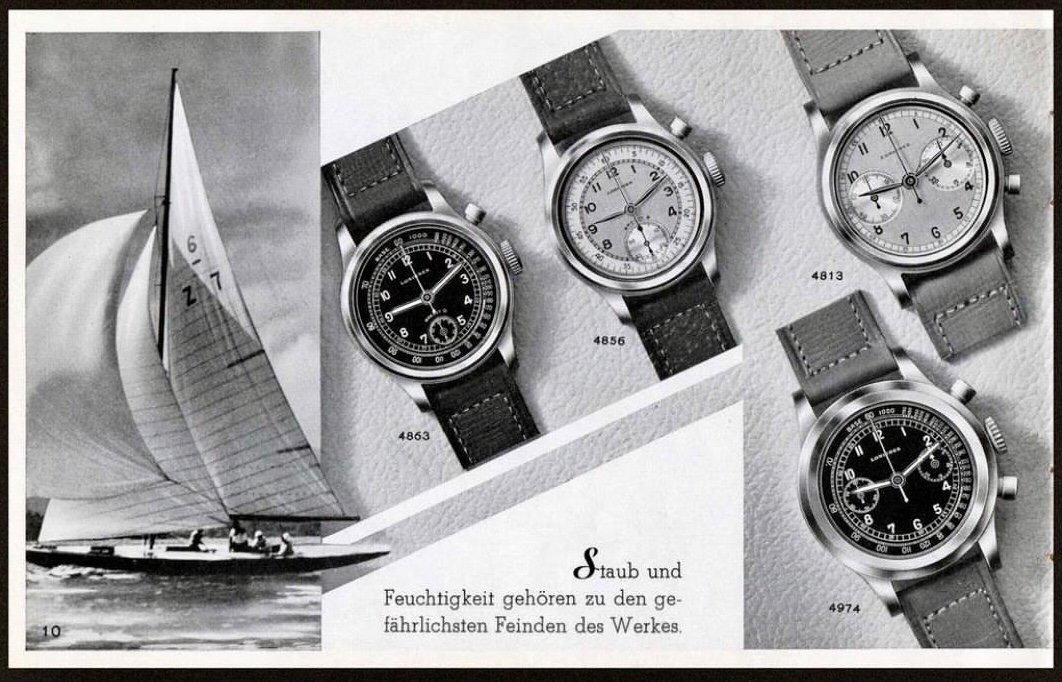
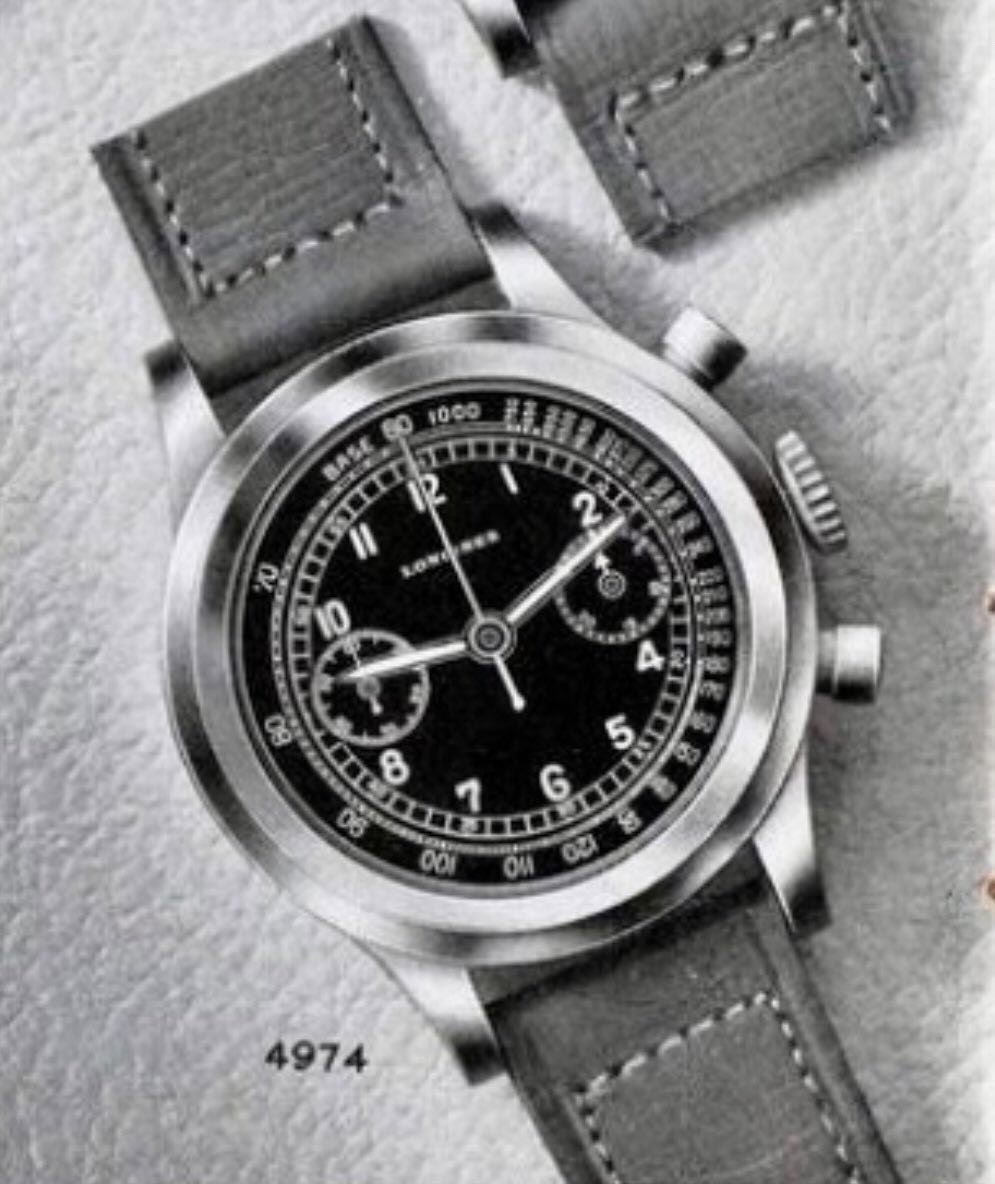
Early1940s German brochure featuring a reference 4974 with Black Radium Stern made dial.
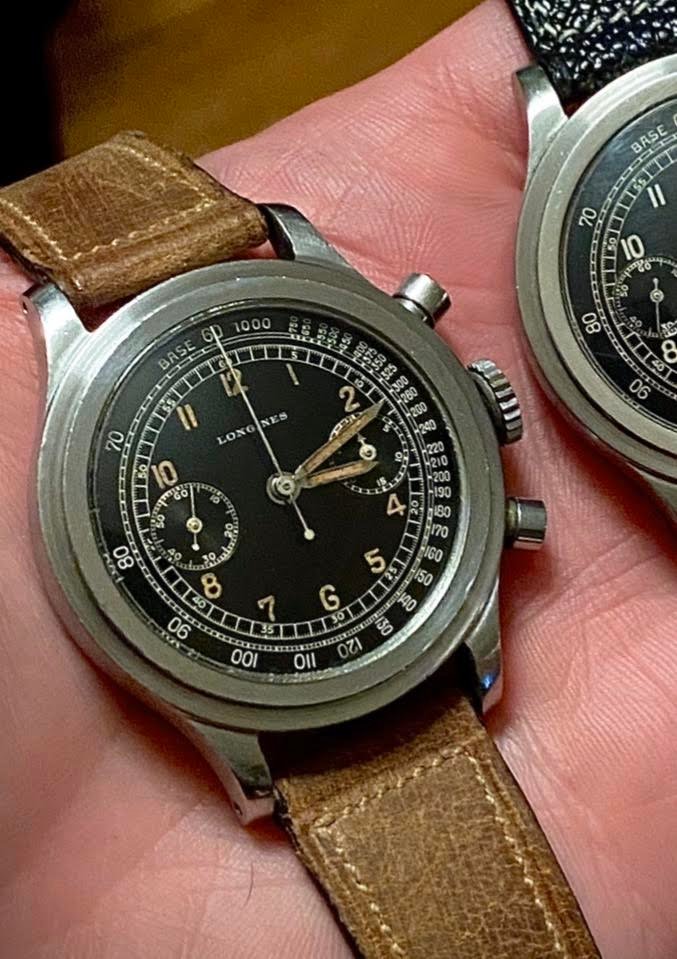
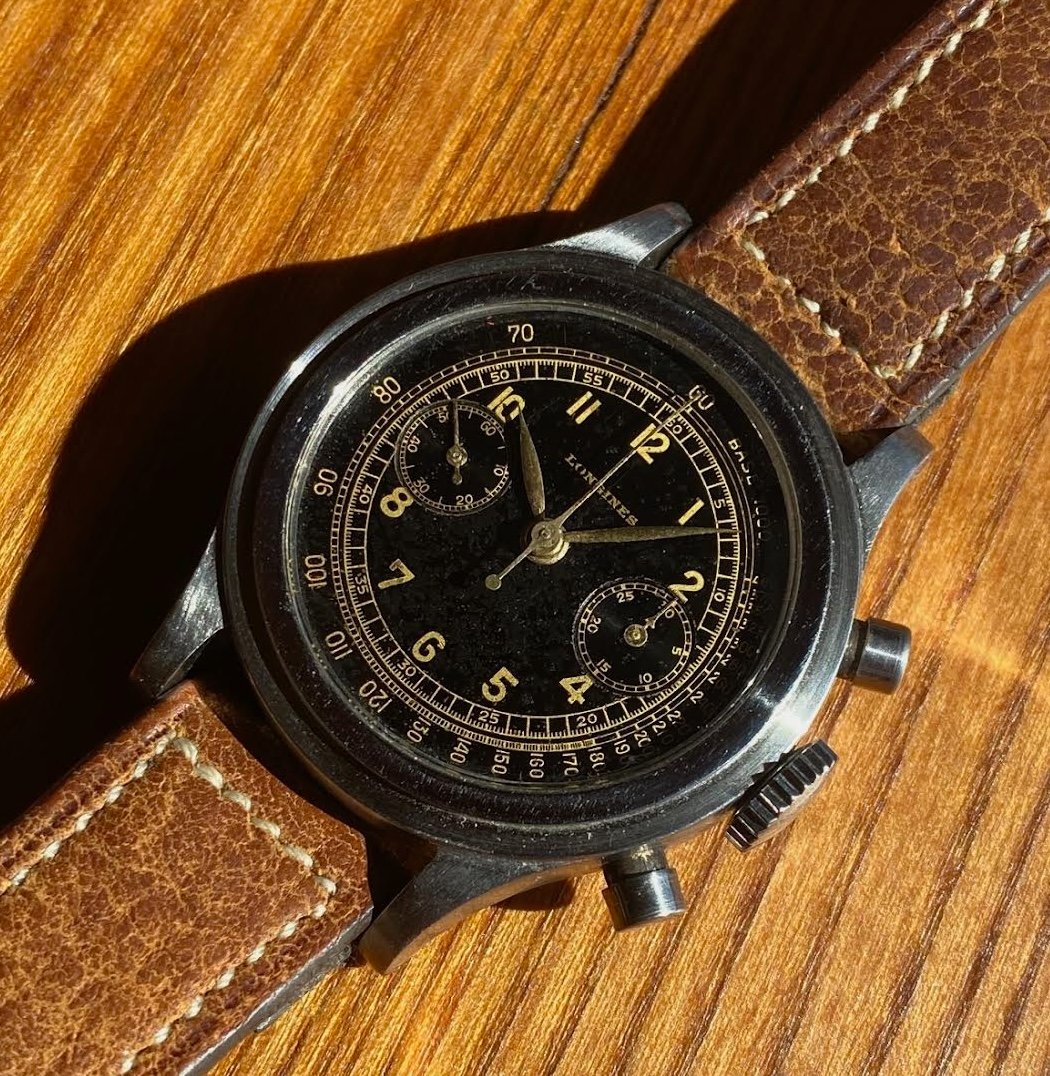
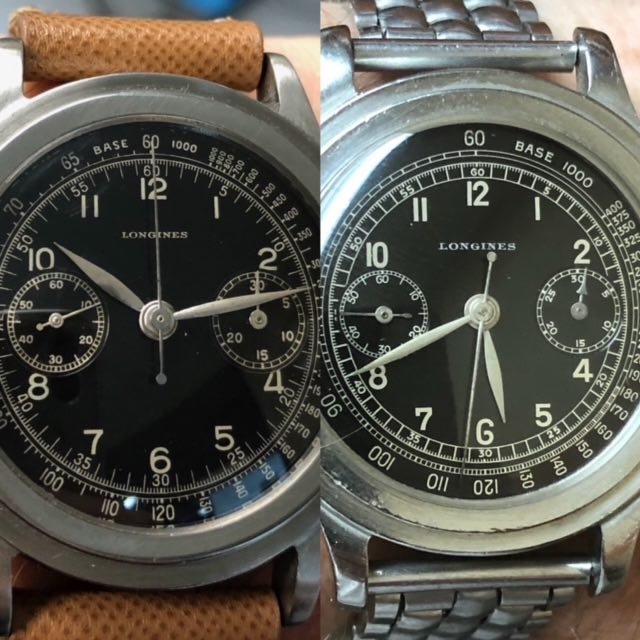
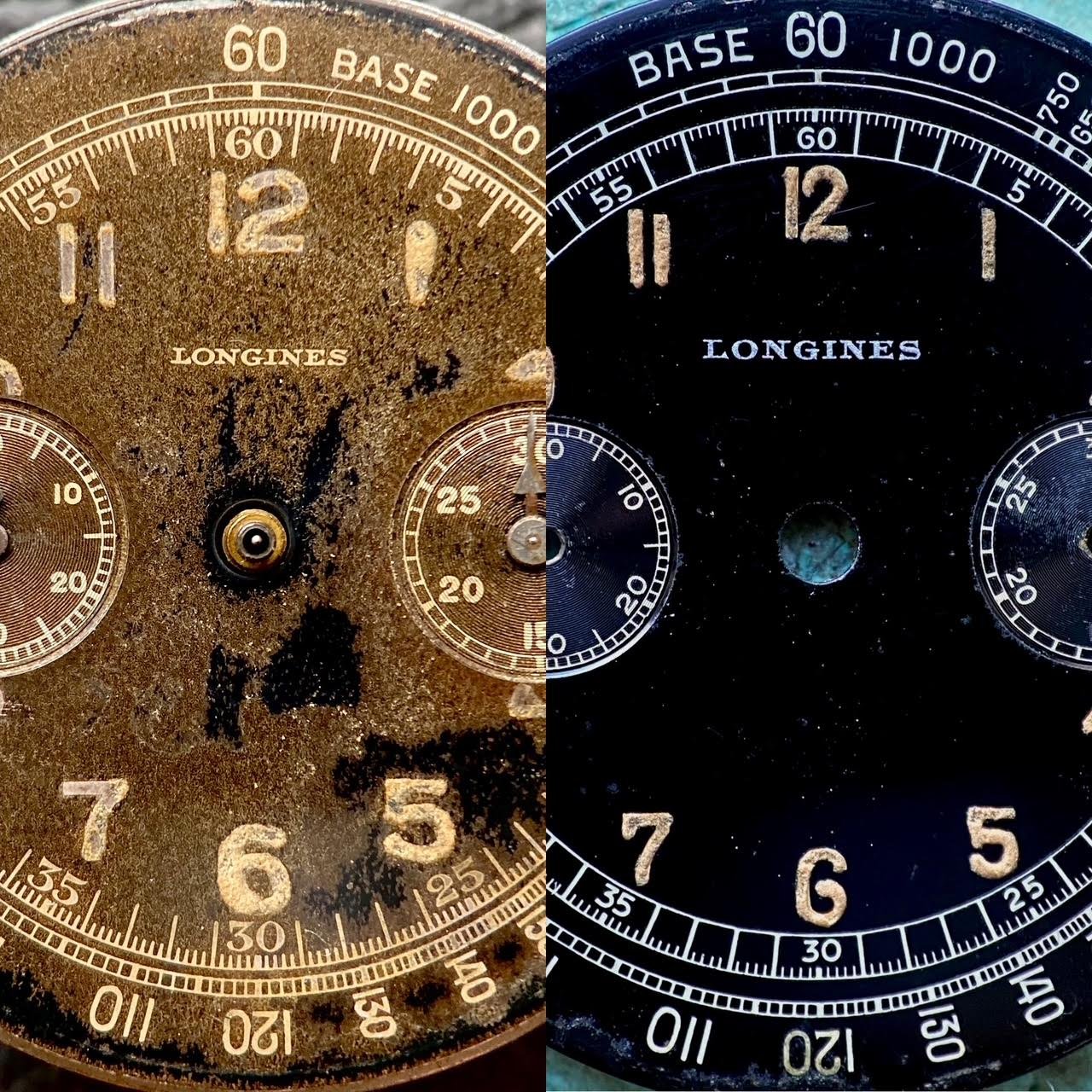
Exceptional example of a black galvanic radium dialed 4974.
Black galvanic 4974 from early 1940s Longines brochure.
Iconic design that stands the test of time has a universal quality- always a result of something that is aesthetically pleasing, but also, and more importantly, was brought to fruition by the final form of the object being created around its function. Great design takes all the functional requirements and pairs the aesthetic form down to its simplest expression, while creating something that is beautiful. Simplicity combined with beauty is not an easy feat. This type of design requires the discipline to resist the addition of unnecessary elements, while being conscious of what is aesthetically pleasing. Material, proportion, symmetry, color, and functionality must all be considered and used in harmony together. The Tre-Tacche 13zn chronograph is the perfect example of a masterfully created iconic design.
Profile of a Reference 4974
The first time I saw a Tre-Tacche chronograph in person was at a watch collectors meeting over 15 years ago. When I saw it, I was struck with how simple the case was, while having the most mesmerizing multi-color and multi-scaled dial. I was blown away with both the quality of the watch, but also the striking form. The thick case with the raised screw-back, bold lug shape, and simple step case bezel was quite powerful. The proportions of the large 37.5MM case paired with a small dial opening of 29.5mm created a fantastic proportion that helped to focus the eye on the incredible dial used, while also highlighting the strong lines and proportions of the case. The finishing of the case was incredible. Strong sharp lines, matte brush finishing on the lugs and mid-case, topped off with a bright polish to the top of the Bezel. The compact but well proportioned pushers perfectly complement the case shape. It was hard to believe that this was made in the early 1940s. From that moment I was hooked, and my quest began to try and find one of these watches. I had no idea how hard it would be to find any example, let alone a good example. This began my foray into the world of waterproof Longines.
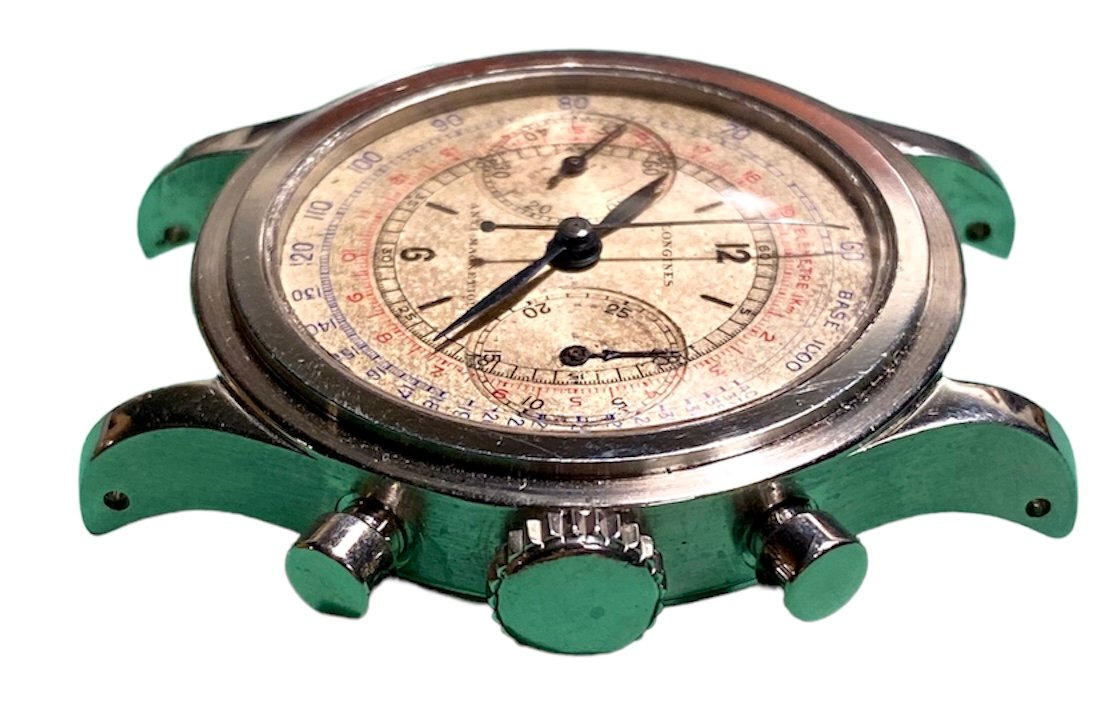
An untouched and Original 1942 reference 4974 with Iconic Stern made double silvered, triple scale “AntiMagnetic” dial.
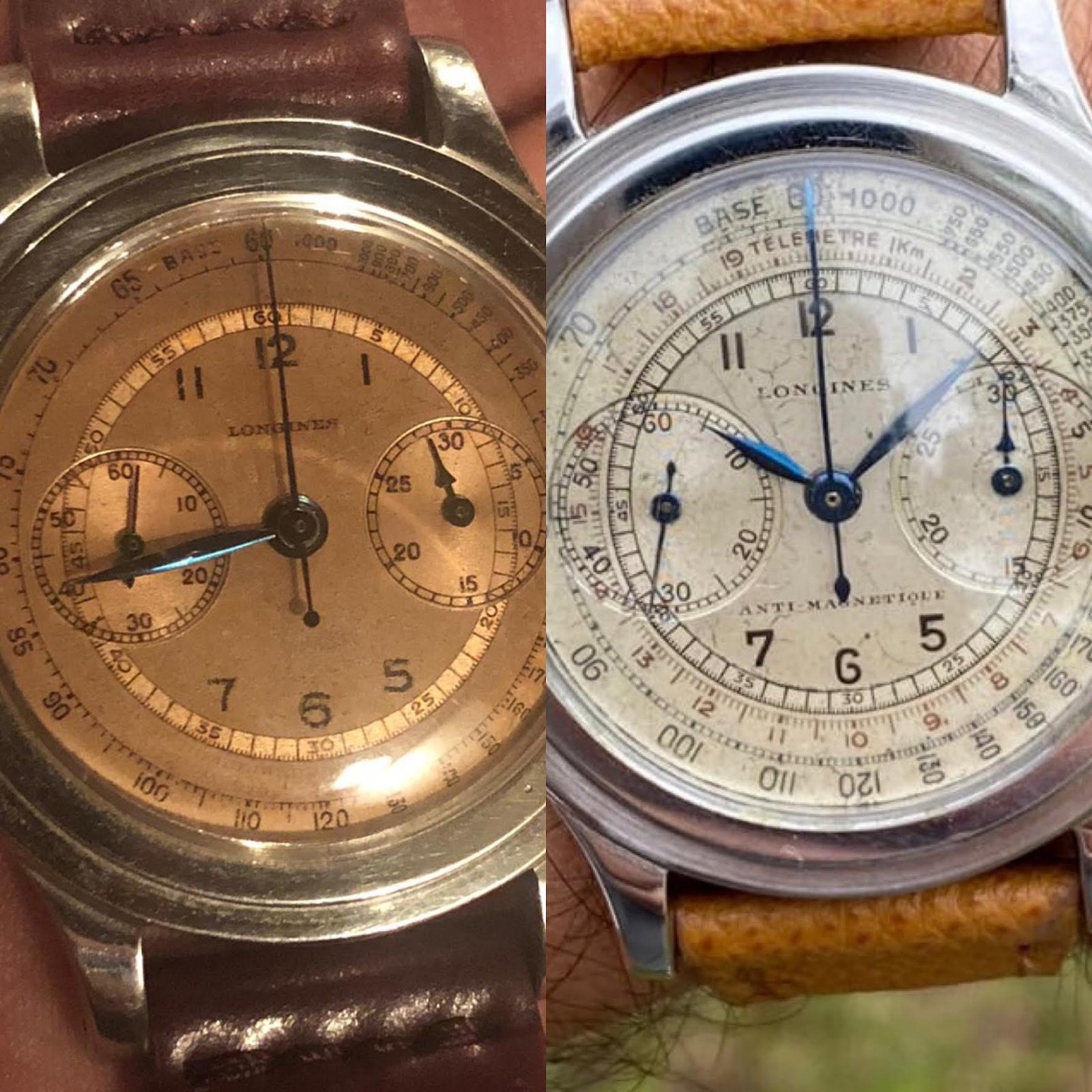
Reference 4974 with Gold Galvanic Stern made Double scale dial.
About my Research
Before I go any deeper I want to make a few notes about my research. I am a collector first, and when I get interested in topic I tend to go narrow, and very deep. I like to try and learn as much as possible about a single reference or topic. This is one of the aspects I love about watch collecting- finding others who know more, and that can share their knowledge. The smallest discovery can often spark a revelation and change your understanding of something bigger. The collective effort to learn more and meet people becomes addicting. I believe that the research evolves, and is subject to discussion and debate. This is what keeps collectors learning, and the hobby alive and interesting.
My research method for this article included documenting all known examples of 4974s that I know of. I log serial numbers, case numbers, images etc.. Along with the help of a few collectors and the Longines heritage department, I have logged about 90 individual examples of of the reference 4974. There are more out there not yet discovered, or deep in old collections, but I believe that I have most of the surviving examples documented I have personally owned about 10 of these watches, and have meticulously studied each of them through disassembly, detailed caliper measurements of the parts, photographing all the macro details, trying to find patterns. Once I identify a pattern in numbers, or small differences in the construction or details, I try and validate those findings through comparison of other examples, as well as cross referencing the information other collectors and with available data from the Longines Registers.
Longines has kept meticulous records for all the watches they produced. These records have now been digitized. The digital record system is known as L.E.A. or “Longines electronic archive.” It is remarkable how much information is contained within the Longines archives. Although Longines does not allow public access to these records, I have been lucky enough to have visited Longines in St. Imier on several occasions, and have had the ability to search and view records relating to my watches. These insights provided a wealth of information that will detail throughout this article.
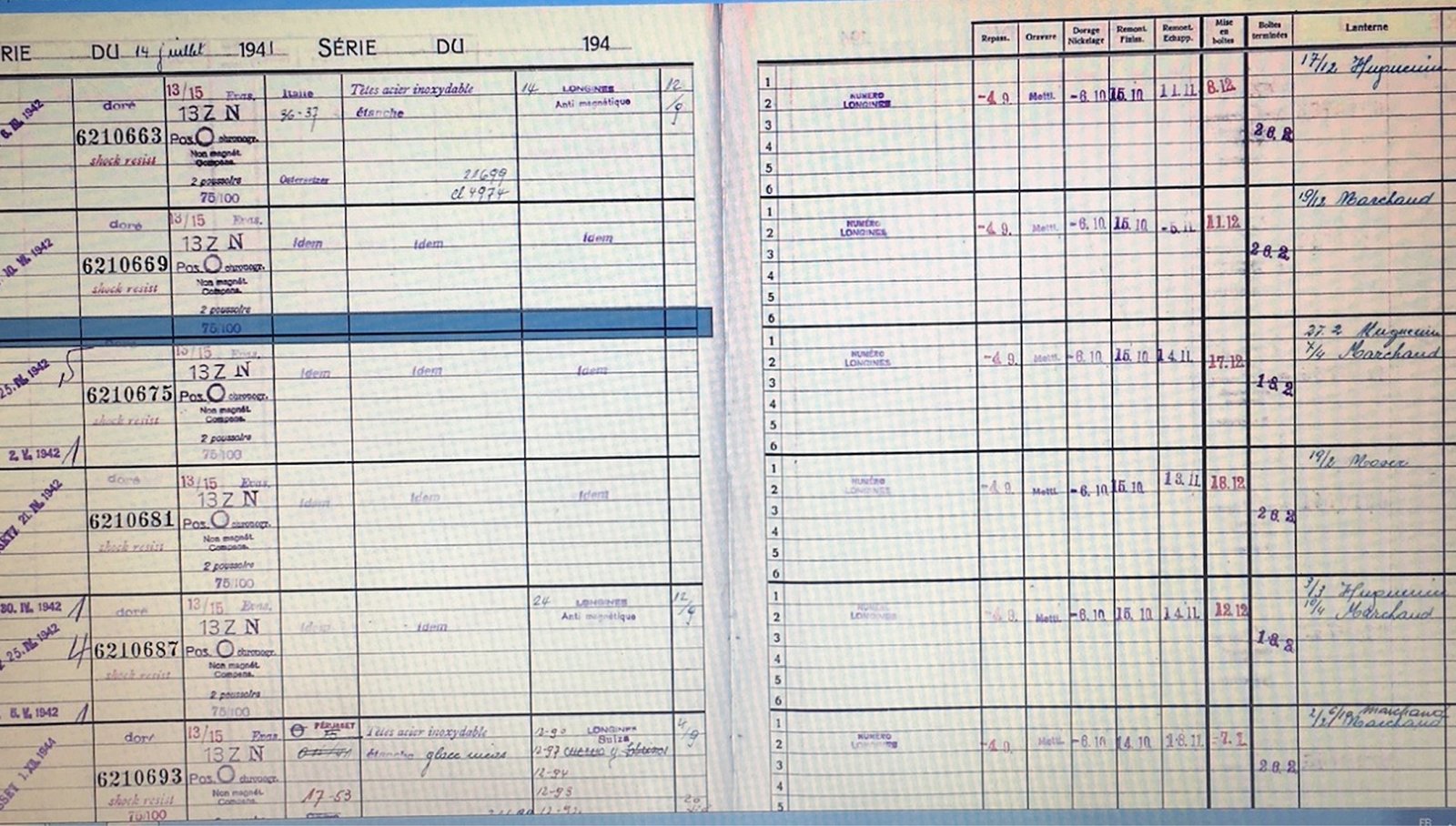
An Image showing a digitized page of the archives covering the production of some reference 4974 watches. I will go deeper into the information here later.
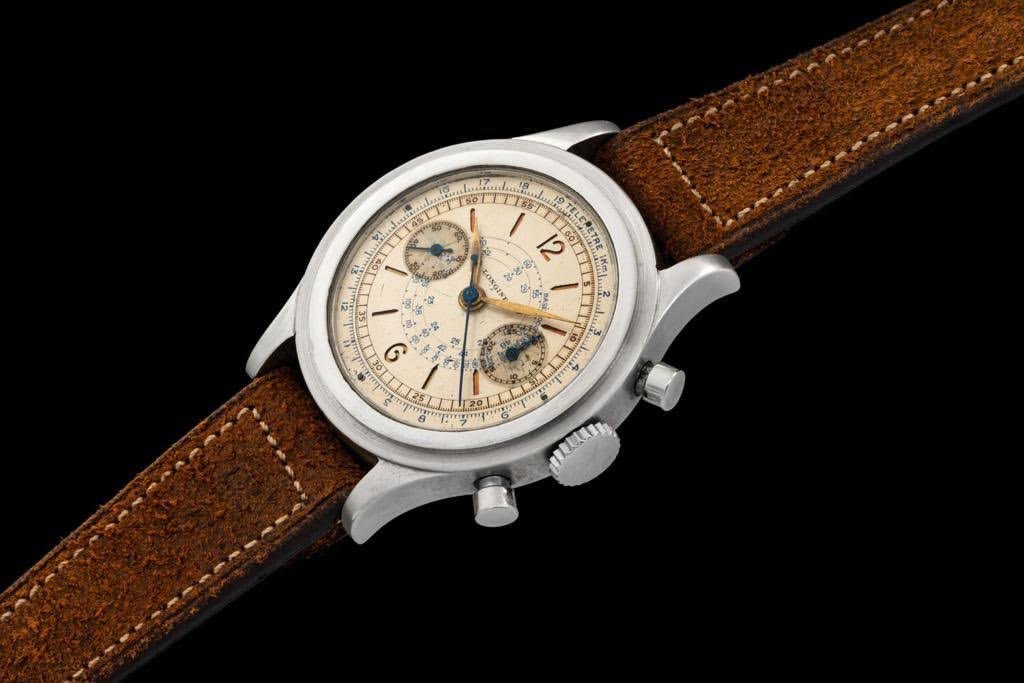
1941 4974 / 21514 with Stern made Sandwich dial
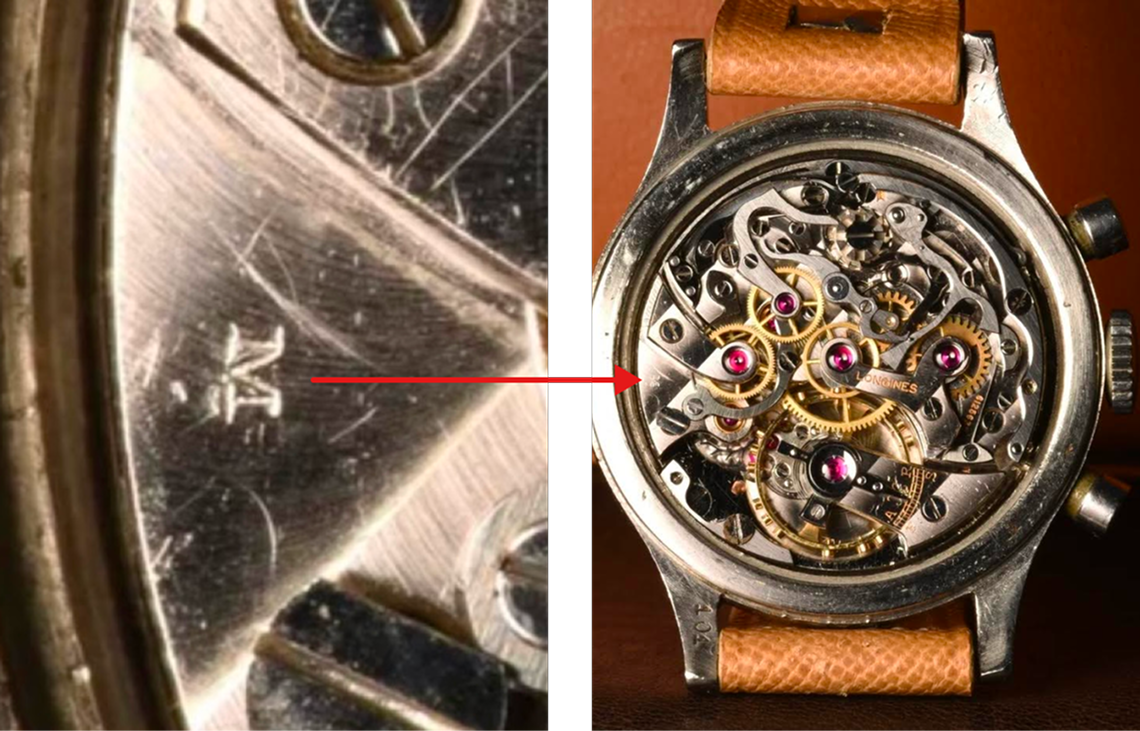
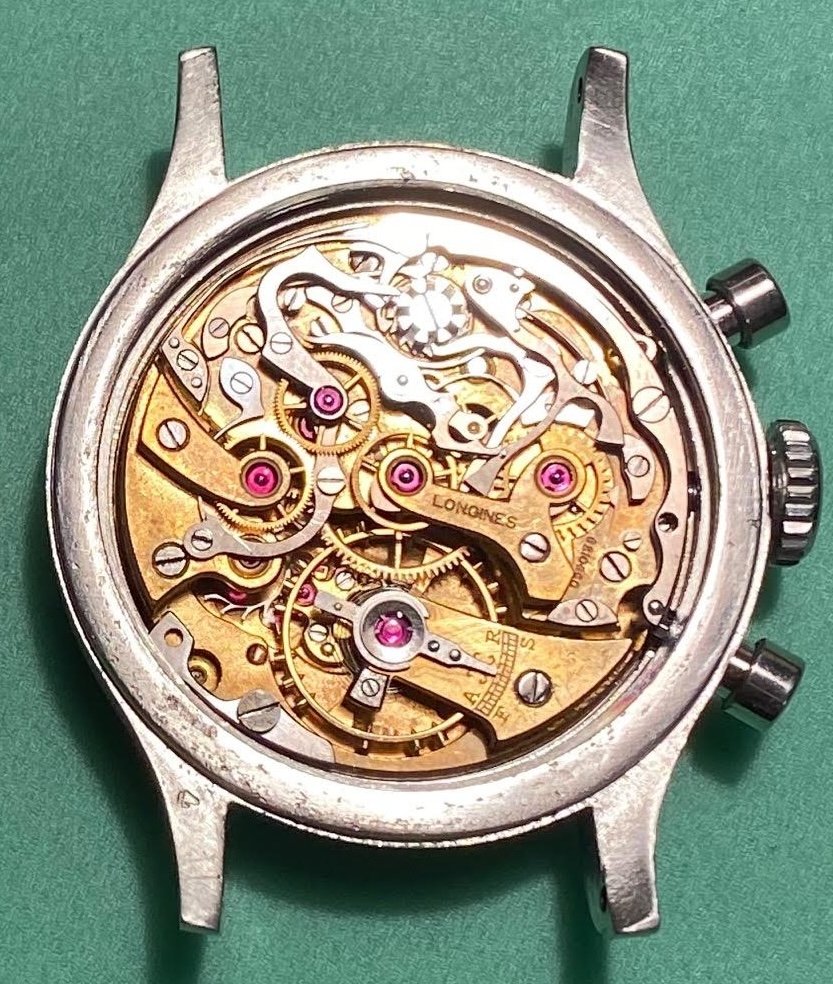
The late 1930s and early 1940s to many watch collectors is considered the “golden era” of design and production as it relates to chronograph wrist-watches. This period, occurring over the backdrop of a world war, combines the aesthetic design and old world craftsmanship of the 1930s with great technological advancements in both manufacturing methods and materials. The Longines in house caliber 13zn movement, patented in 1936 with a flyback feature is considered to be the best 2 register, 2 button chronograph movement of the period, and was used in a wide variety of case styles and materials. The movement was manufactured in 2 fine finishes, a golden brass color as well as a rhodium plated silver color.
Rhodium plated 13zn movement with “m” Stamped for “anti-magnetic” properties.
Brass colored 13zn movement
The “Tre-Tacche”Case
The use of steel in wrist-watch cases, already in use since the 1920s, opened up many new possibilities in terms of durability and waterproofing, requiring new manufacturing methods. I won’t cover in detail the history of waterproof watches, that’s a rabbit hole in itself. While many advancements and innovations as it relates to waterproofing were made prior to the 1920’s, Rolex, while acquiring other older patents in order to create the oyster case, arrived on the most practical and commercially successful form for waterproofing a wristwatch that is still in use today. The use of a solid steel mid-case, and a screw-down case back and crown, created a system that was practical and durable. While this type of case was already in use with time only wrist watches since the 1920s, and many earlier versions with pocket watches, but by the mid 1930s a reliable solution was not yet found for the now popular wrist-worn chronographs. The challenge was that water must not enter the case when the buttons are being used. The earliest commercially produced truly waterproof chronographs came into production as early as 1936/1937 by Gallet with a clamshell compression case design, and by Mido, using a Borgel made screw-back case, both with round pump pushers.
Longines produced 5 unique stainless steel waterproof chronograph references housing a 13zn movement between 1938-1947. The references or “cliche” numbers are 4270, 4813, 4974, 3870 and the 5415, with the 4974 being the only steel 13zn screw back model made. It is important to note, that the reference 5699 “sommatre” model that is fitted with a 13zn12 is also housed in a steel waterproof screw back case, but with 6 notches on the case-back. Although the 13zn12 caliber is based on the 13zn, it has been heavily modified with an additional central hand acting as minute counter, and is considered a unique caliber separating it from the other 13zn waterproof models.
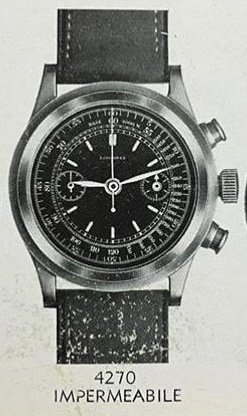
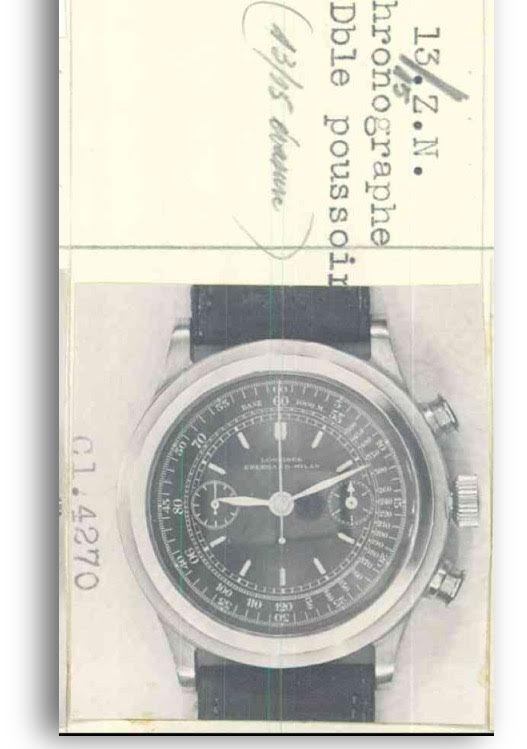
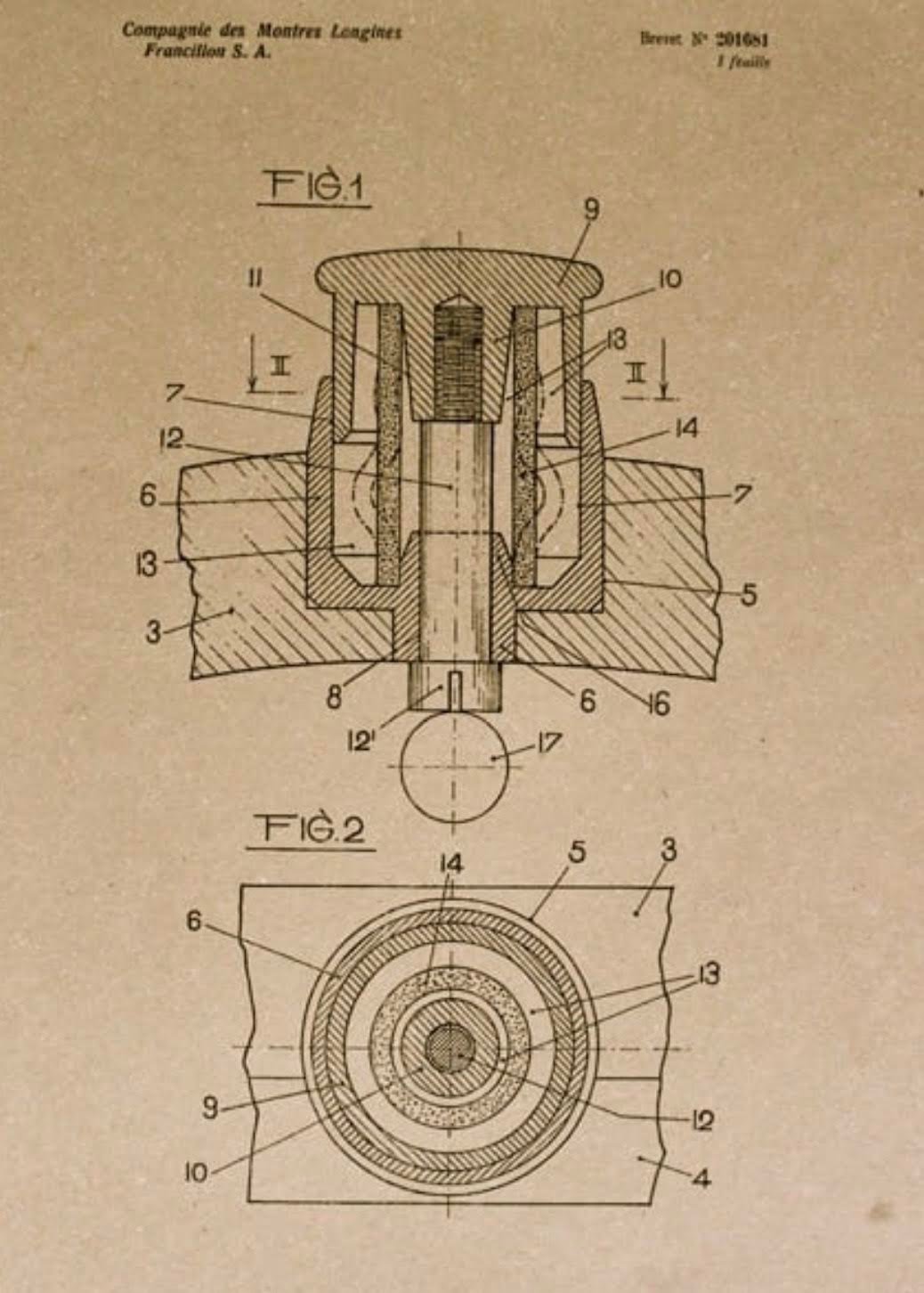
Longines’ first commercially produced waterproof chronograph, the 4270, developed in 1937, was first invoiced and released in early 1938. The reference 4270, AKA the “mushroom pusher” was developed and patented (patent 201681) using an innovative and spring free system to waterproof the pushers. The use of cork in a unique pusher (shaped like a “mushroom” or “umbrella”) was a new and novel design. The 4270 had a 37.5mm, solid steel mid-case with a simple “step bezel” that used a hermetic, or compression style case-back and gasket to seal it.
Longines reference 4270 aka “the mushroom pusher” chronograph
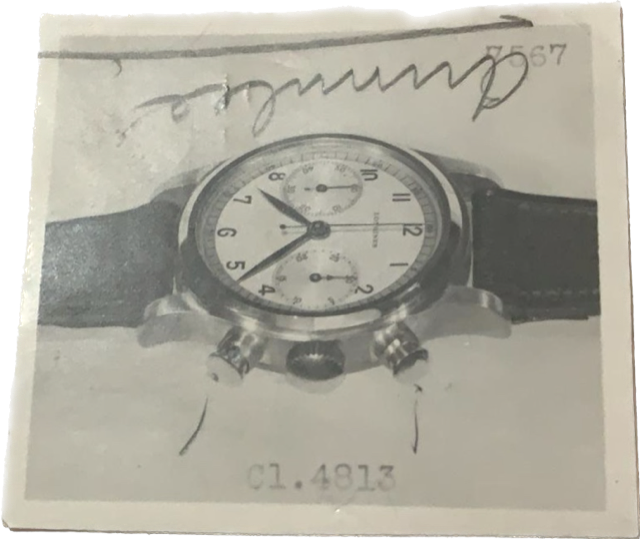
The second commercially produced waterproof chronograph Longines produced in close succession with the 4720 in 1940, was the 35mm reference 4813 featuring a faceted bezel and a compression style caseback. The earliest 4813 also used the patented mushroom pusher design, but was replaced by the new screw-in pump pusher. A “mushroom” pusher 4813 has yet to surface, but we know of its existence, at least in development, through photographic images within the Longines archive. No known example exists.
Longines reference image 4813 shown with 4270 style pushers. No known examples exist in this configuration.
The commercially produced version of the reference 4813 35mm chronograph sharing identical crown and pump style pushers to the larger reference 4974 Tre-Tacche chronograph.
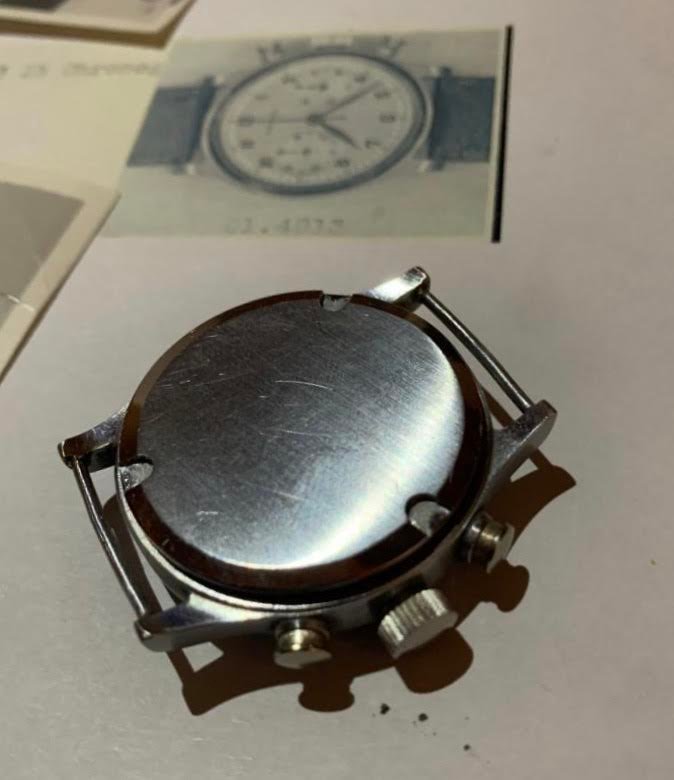
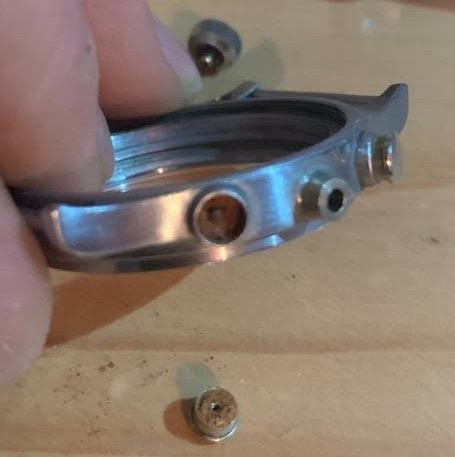
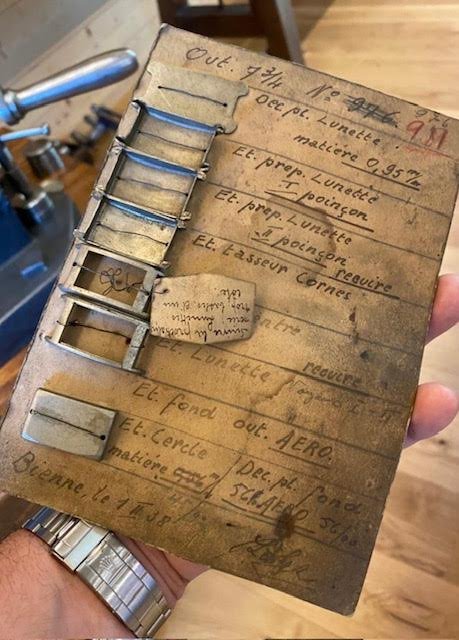
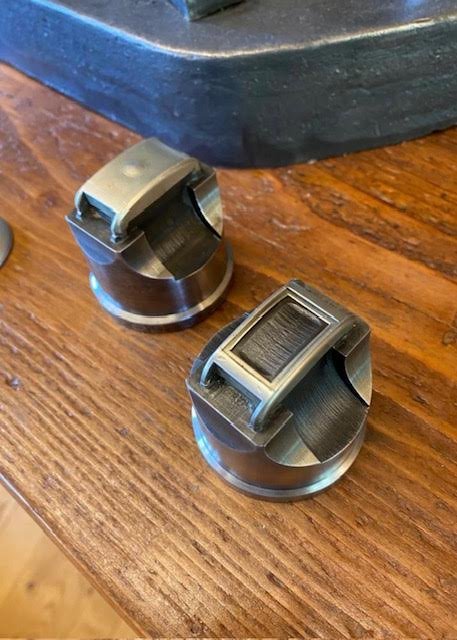
A remarkable discovery was recently made changing how we understand the chronology of Longines waterproof chronographs. A prototype case was acquired by a private collector through the estate of the family of an important Longines employee who worked at St Imier for decades. I will not disclose names or more detail than what is written below in order to protect privacy of the parties involved. What is unique about the case is that it it has the patented “mushroom pushers” with the original cork insulators, while the case-back is that of a “Tre-Tacche” screw back. The prototype case was stored with documents, mock-ups, and correspondence validating the authenticity of the case. The provenance of the case, and documents are fascinating, and gives an insight into how the chronographs were developed and evolved. It seems that Longines, between the 3 models of 4270, 4813 and 4974, were experimenting with different configurations to improve their design of a waterproof chronograph.
Images of a prototype case with the patented 4270 mushroom pushers paired with a 4974 style “Tre tacche” screw down case back.
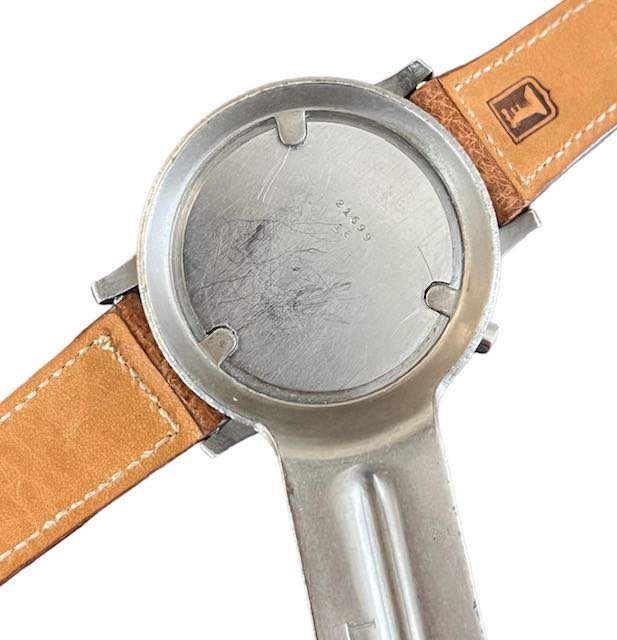
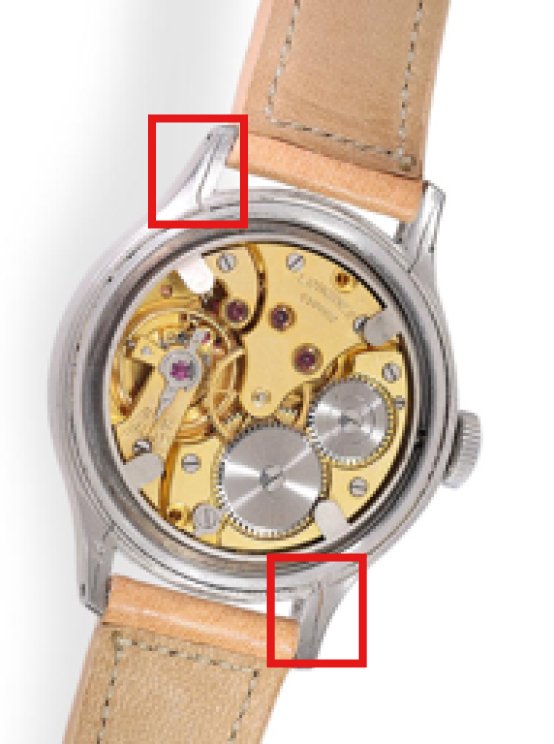
The third waterproof chronograph Longines released was the reference 4974, also in 1940, which featured a 37.5mm solid steel step bezel mid-case, screw in “pump pushers”, and the famous “Tre-Tacche” screw on case-back. The name “Tre-Tacche” comes from the Italian nickname “three notches” referring to the 3 indentations on the case-back that align with a unique wrench in order to open and close the watch. The reference 4974 was produced from approximately 1940-1943. It is important to note, that although the 3 references (4270, 4813, and 4974) were released in a linear / chronological order, that they were being produced and being offered for sale concurrently between the years 1939-1943.
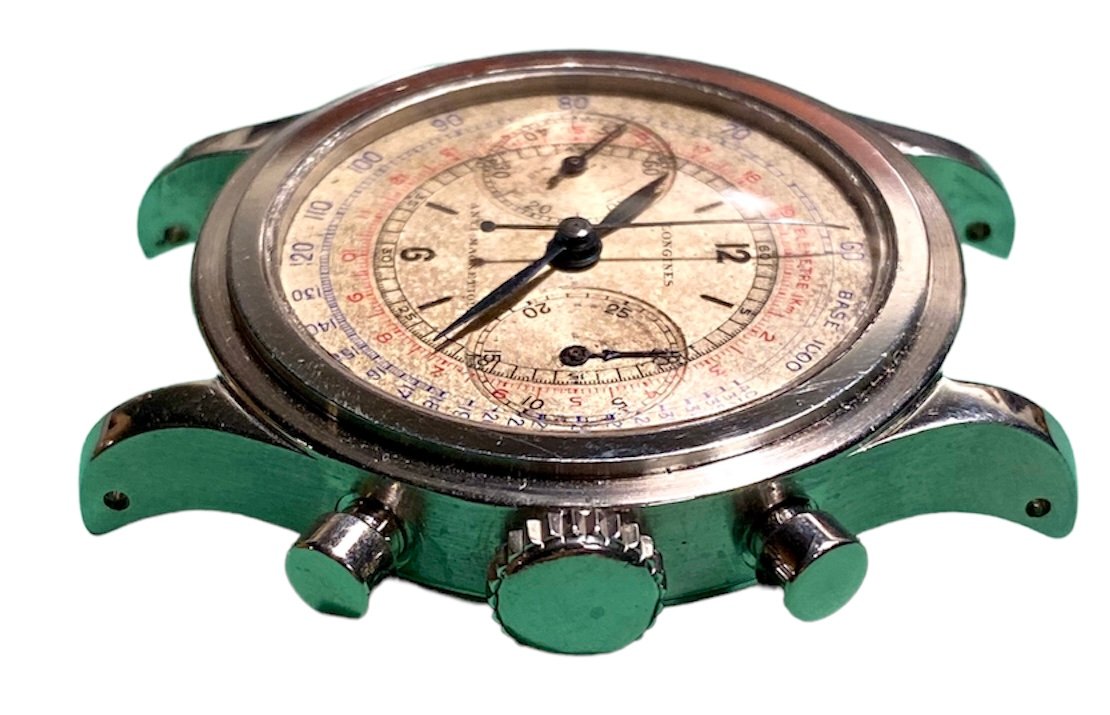
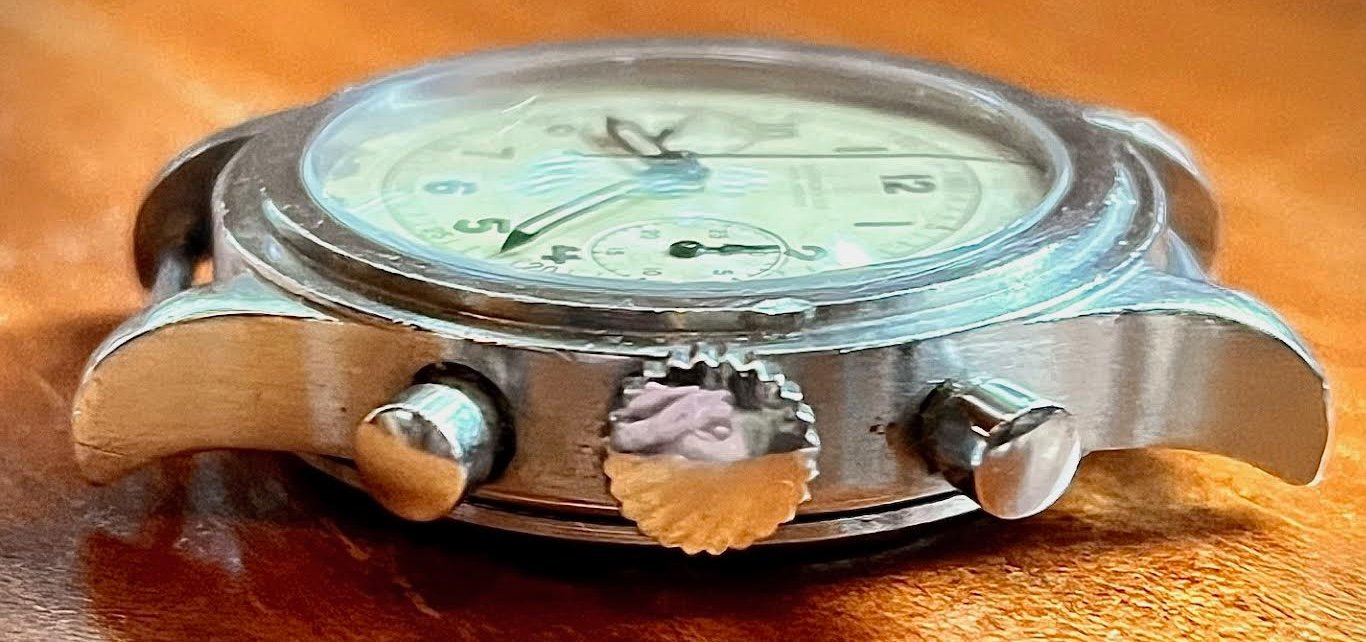
Perfect proportion - side view of the 4974 Tre tacche chronograph with original low profile mineral glass crystal
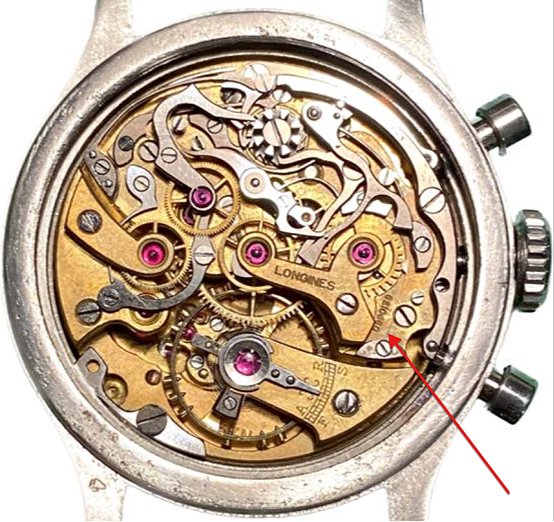
Movement serial number is found Next to the bridge and pusher lever.
A 4974 shown with original Longines “three notch” opening wrench
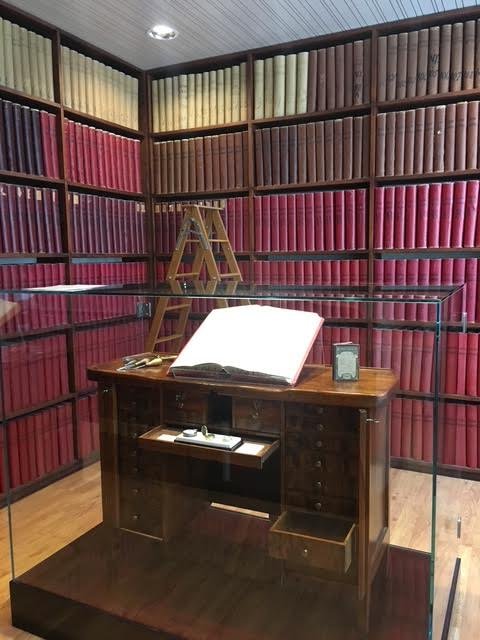
Longines handwritten registers in St Imier. All watch production and records are archived here in sequential order of the movement serial numbers.
There are 4 important numbers that Longines collectors refer to. The serial number, the reference or “cliche” number, the Order (or batch) number, and the individual case sequential or “pairing“ number.
The 1st number is the serial number and that starts with the movement. The serial number is engraved on the movement plate. This is the master number. The movement serial number is how all watches produced by Longines information was archived. The movement serial numbers are entered and archived in chronological order of the movement, but not necessarily in the chronological order of manufacture, since many watches are being made simultaneously over the course of many months or even years, with each step of production recorded as they are completed, giving a complete timeline of the production of a single watch. All information about the watch production starts with the movement serial number.
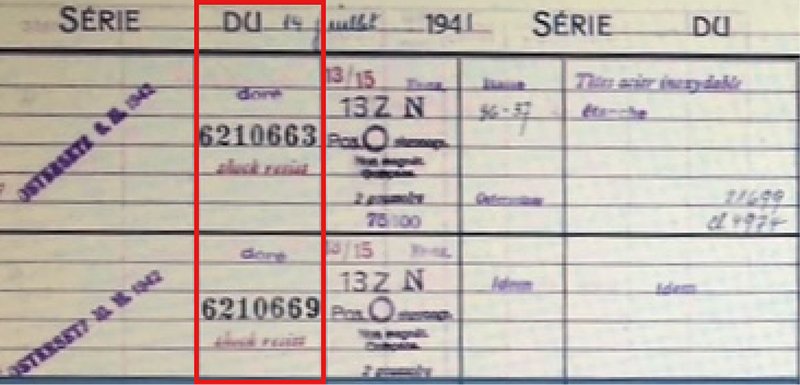
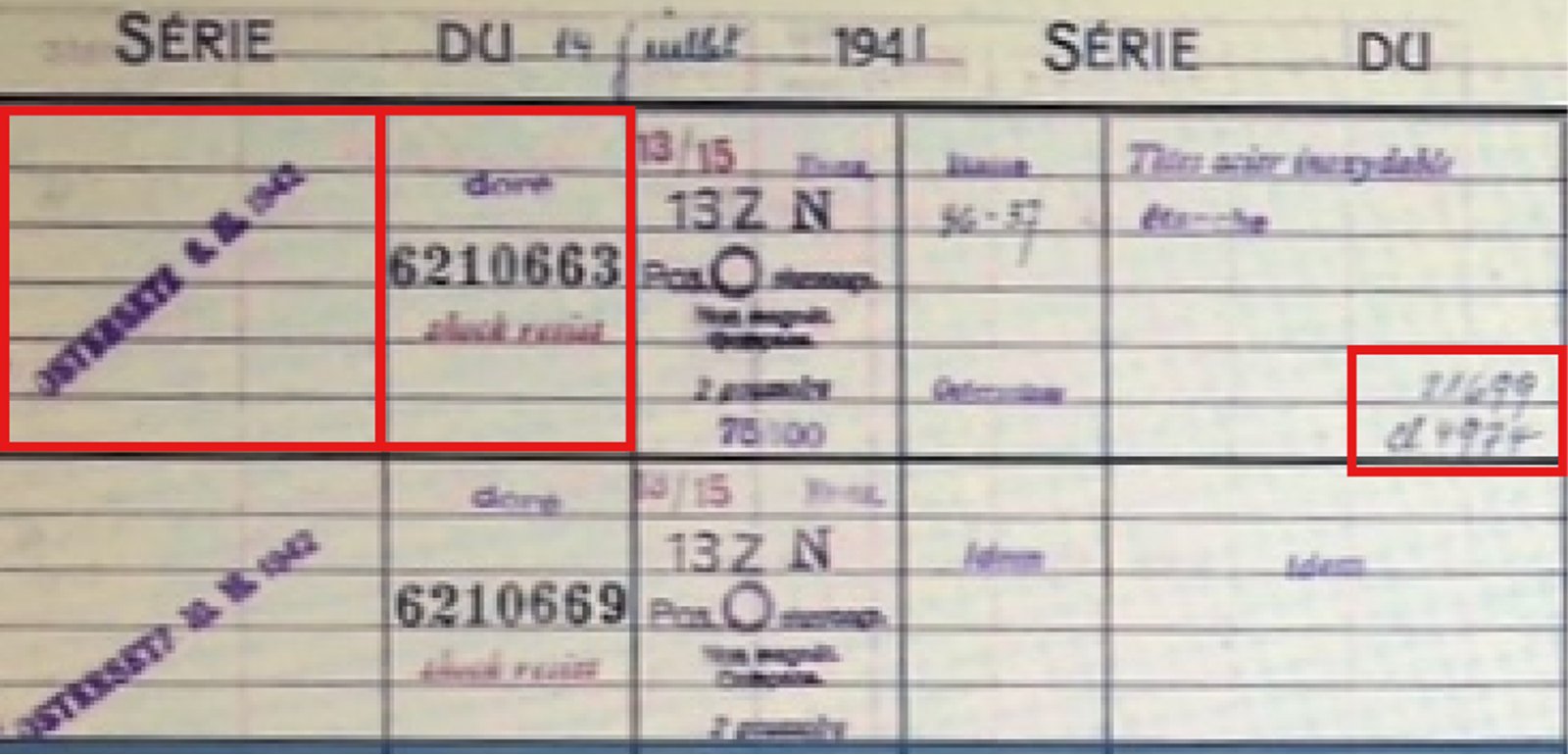
2nd column shows how the serial numbers are logged into the Longines register. Each horizontal row shows details of the watch as well as a production log. Note that the serial numbers are often logged in batches of 6, as this was how they were stored in production. So each line above or below the stamped serial number represents an individual watch. Looking at “6210669” the row above it would be “6210998, and below “6210670”
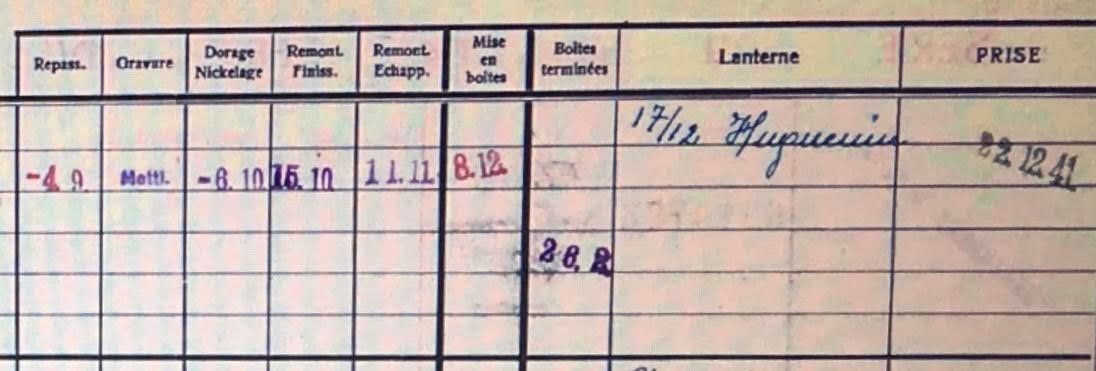
Above is a production log for a watch that was invoiced December 1942, but shows production started almost 1 year earlier in December 1941. Each step of the production is logged into the register to track the production. The watches took months, or even years to complete from start to finish. This is an interesting aspect of early mass watch production.
The 2nd number referred to by collectors is the model reference or “Cliche” number. This number is the unique design or model number of the watch. There is usually an illustration or photograph of one the cliches or references within the Longines register. The variation of the cliche usually being that different styles of dials that were often used throughout production.
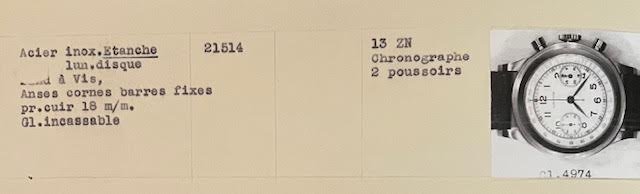
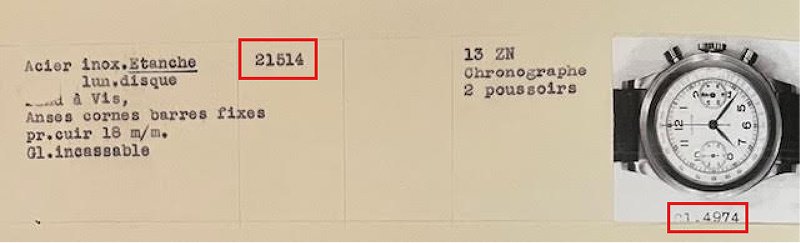
Longines Register image of the cliche or reference 4974. Note CL.4974 below the image. In the 2nd column you see the five digit code 21514, the first order or “batch” of 4974. This watch bears a white dial made by “ZJ”.
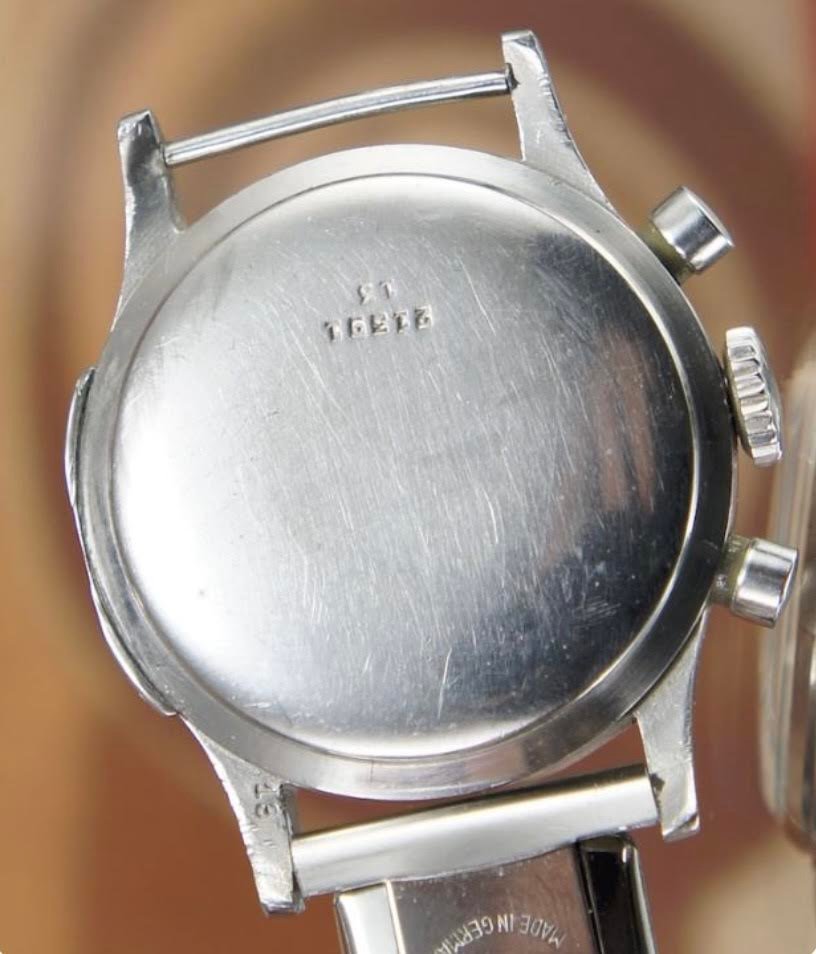
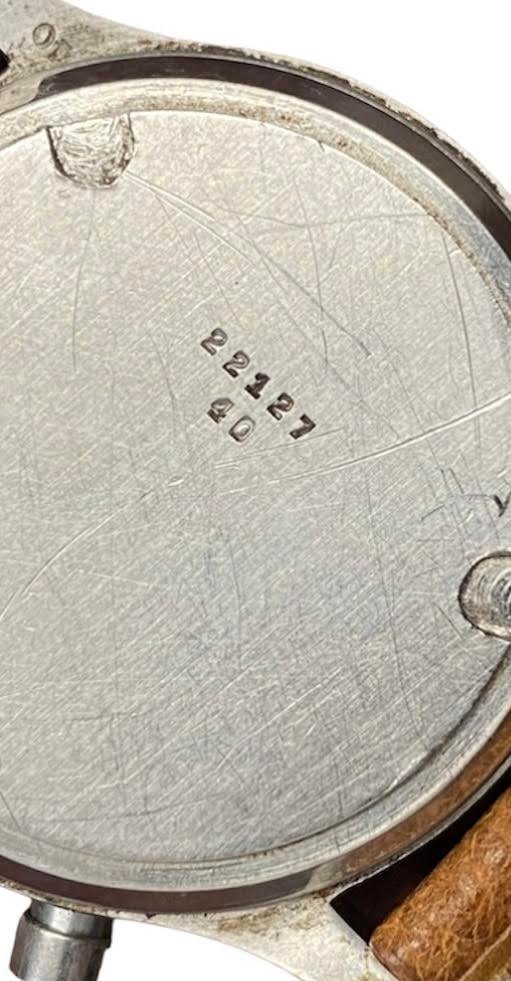
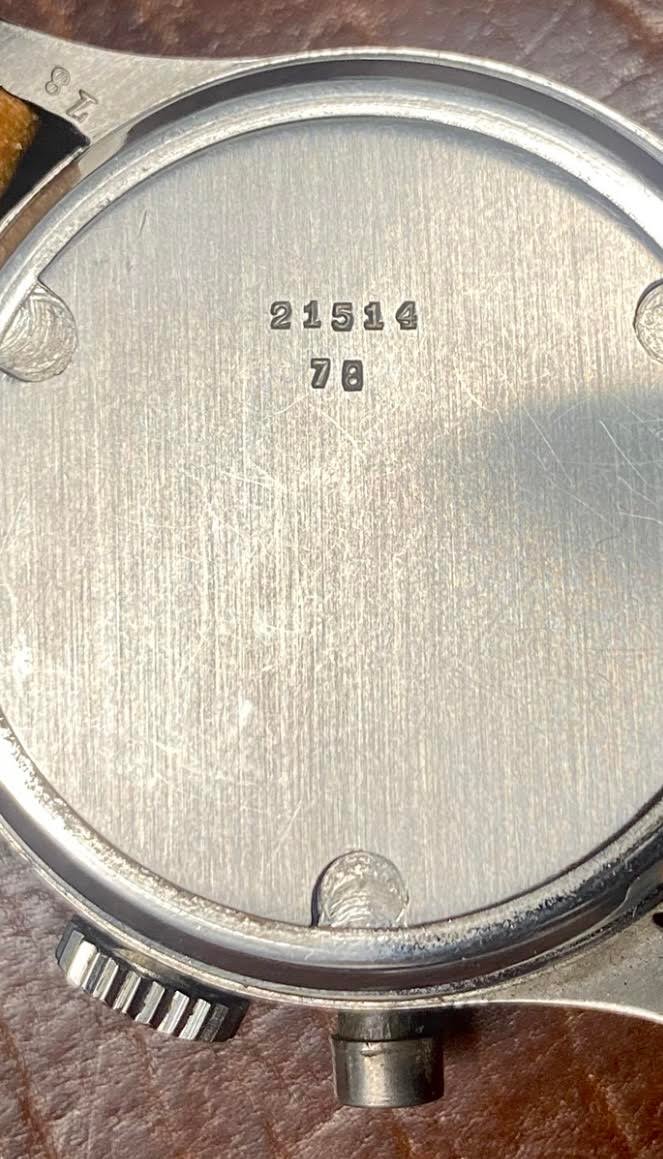
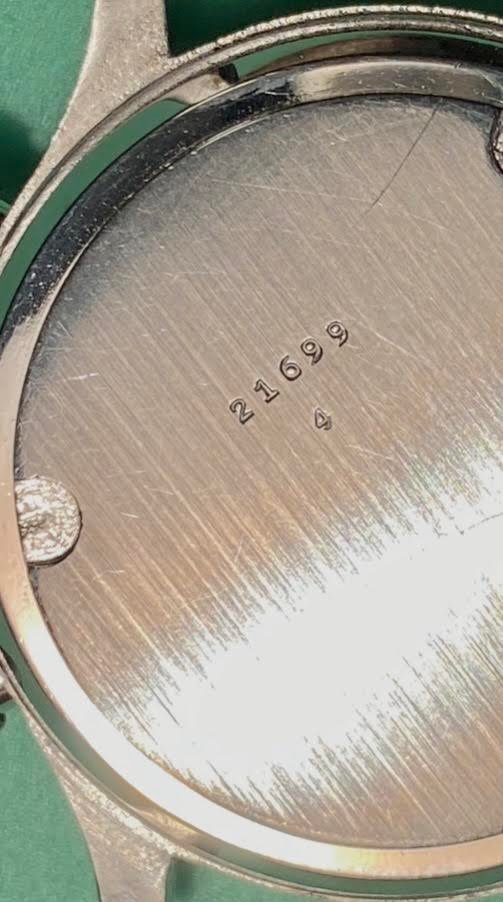
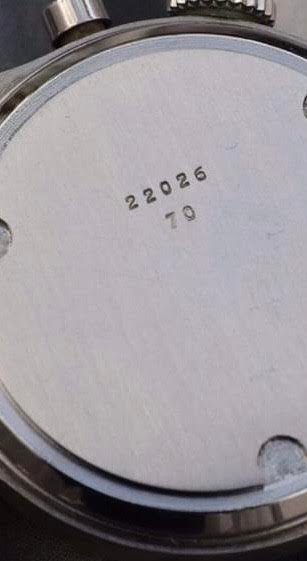
The 3rd number collectors refer to is the “order” number. This number is the 4 or 5 digit code that is stamped onto the external case-back of the watch, and most likely acted as an internal system of keeping track of the batches of parts that were ordered and used during watch production. On the 4974, the “order” number is stamped on the watch itself, and not the “cliche” number. You will not see the code “4974” on the watch itself. The case-backs are stamped with the 5 digit order numbers. In the image above you see the 21514 written. This is the “order number”.
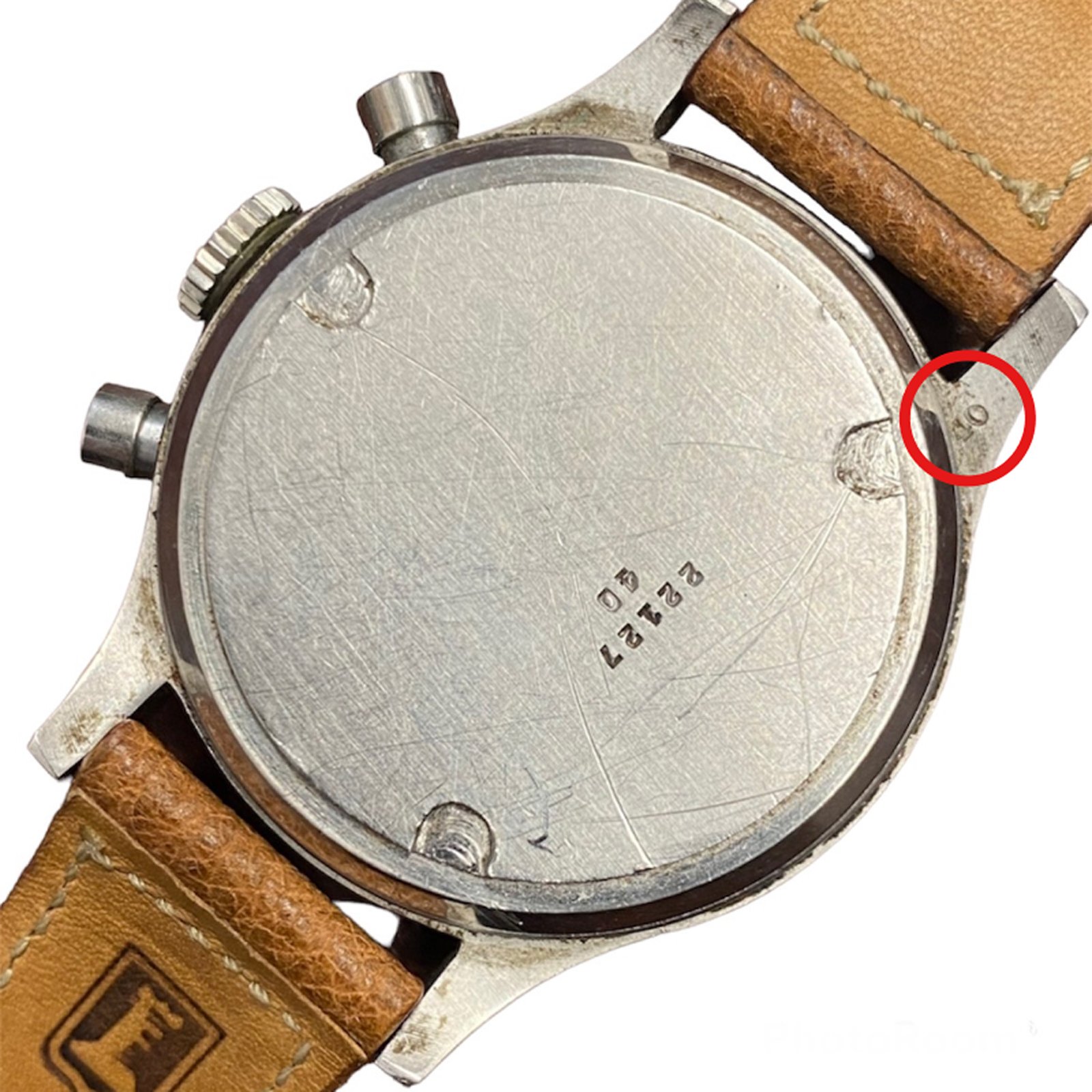
The 4th number we see and refer to is the sequential number, or “pairing “number. This number is stamped onto the case-back and often repeated on the lug, and is a unique number within each order or batch, This number was most likely used to keep the parts “paired” together, and also stamped presumably in the chronological order of the case production.
To summarize, when collecting Longines, you want to confirm with the Longines heritage department that the serial number, cliche, and order numbers of your watch all match the records in the register.
A Reference 4974 stamped with order number 22127 and the unique paring / case number 40. The paring number is stamped on the lug and the casebook to ensure “matching” parts in assembly.
The Longines Register showing CL 4974 next to the order number of 21699. So we can see that serial numbers 6210661-6210671 are reference 4974 watches made with order number 21699. In this instance most likely the pairing numbers were also Sequential. This also shows on the left that the watches were invoiced to Osytersetzer, an Italian distributer of Longines in 1942.
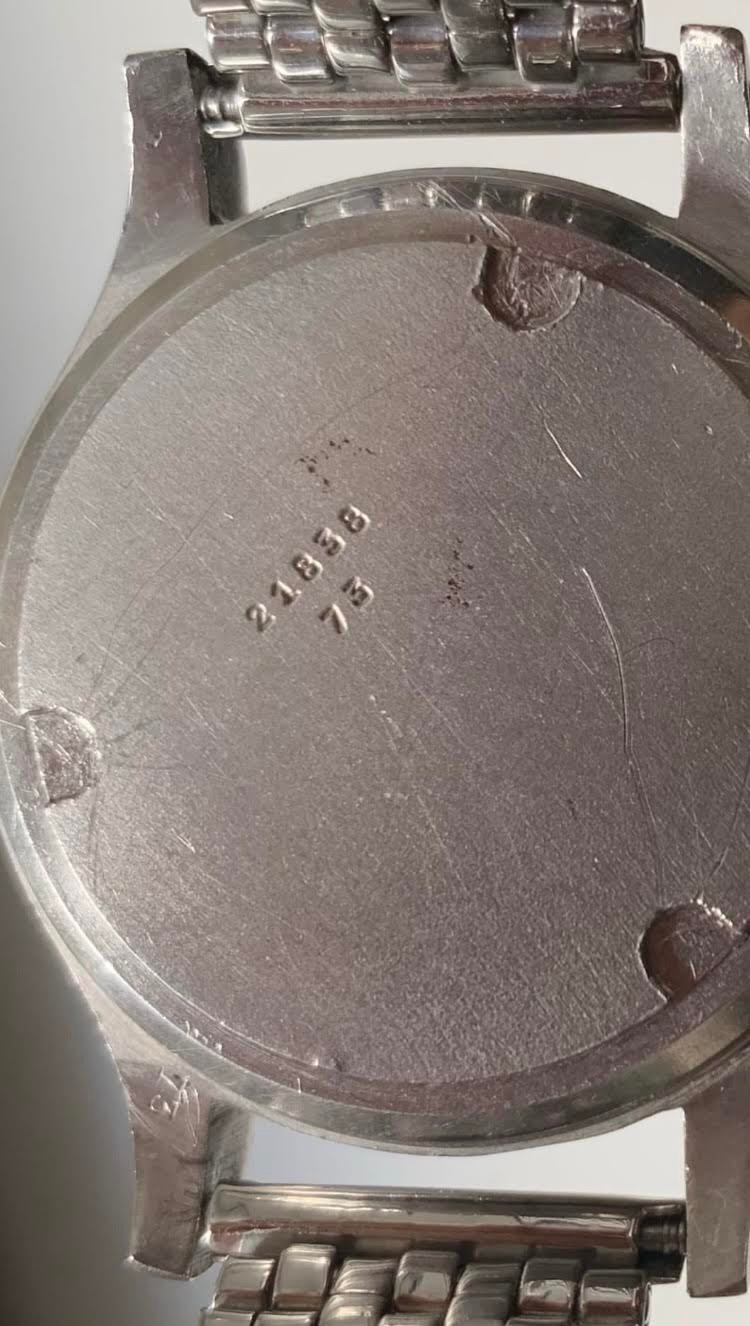
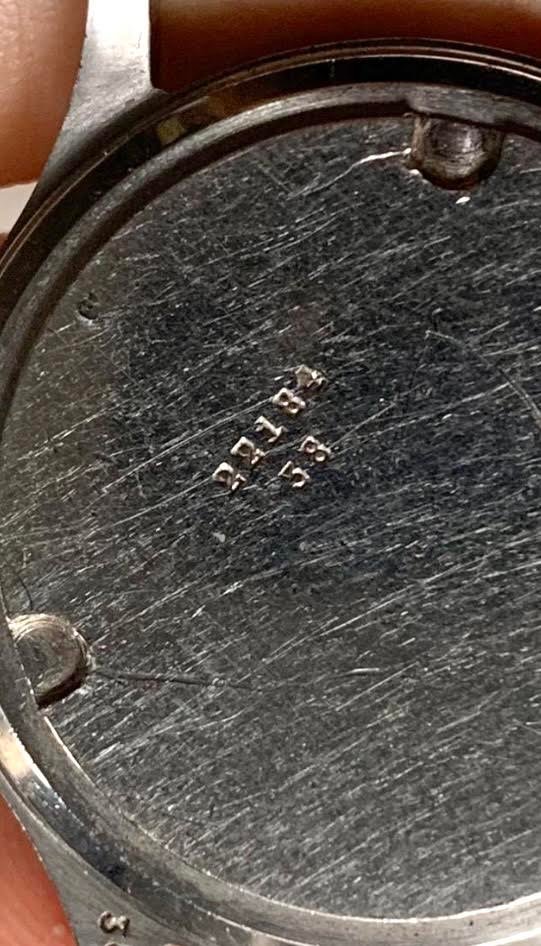
In the circumstance of the 4974, only 5 digit codes were used as order numbers. There are a total of 6 order numbers produced between 1940-1943. 21514, 21699, 21838, 22026, 22127 and 22184. While these are chronological numbers, and there is a general chronological progression, many of the order numbers were produced concurrently, and not in a strict chronology. When studying the records of the 4974, you will see the production of several order numbers overlapping. Although the 4974 is a single reference, because there was production of 6 orders or batches, each batch has a few subtle or unique variations in the machining and case details. We see variation of the lug shapes, the exact lug spacing, the case thickness, and the bezel height. These were just some of the variations from batch to batch and not noticeable unless compared against each other.
Reference 4974 watches have a wide serial number range starting at approximately 6.11 million and spreading through 6.39 million. As you find them in the registers each Order or batch usually has a tighter serial number range. Although Longines does not release exact production numbers, it is estimated that only 500-700 pieces of the 4974 in total were produced between all 6 order numbers. This estimate is an based on the highest sequential / or pairing number known in each “batch”. The highest number seen is about 137. If we say there are approximately 100-150 in each batch, that brings us to about 500-700 pieces. Longines also confirms this estimated range. As of now, I know of about 90 pieces to still exist. These orders / or batches were shipped to many locations including Italy, France, Europe, and south America.
Reference 4974 Case-backs showing one example from each of the six “order” or batches. 21514, 21699, 21388, 22026, 22127, 22184.
Several batches were produced with both fixed bars, as well as having holes drilled through the lugs, for the use of spring bars. Most of fixed bar cases being seen in order 21514 and 21699.
2 reference 4974s, both bearing order 21699 with one showing factory original fixed bars and the other factory original drilled holes for spring bars
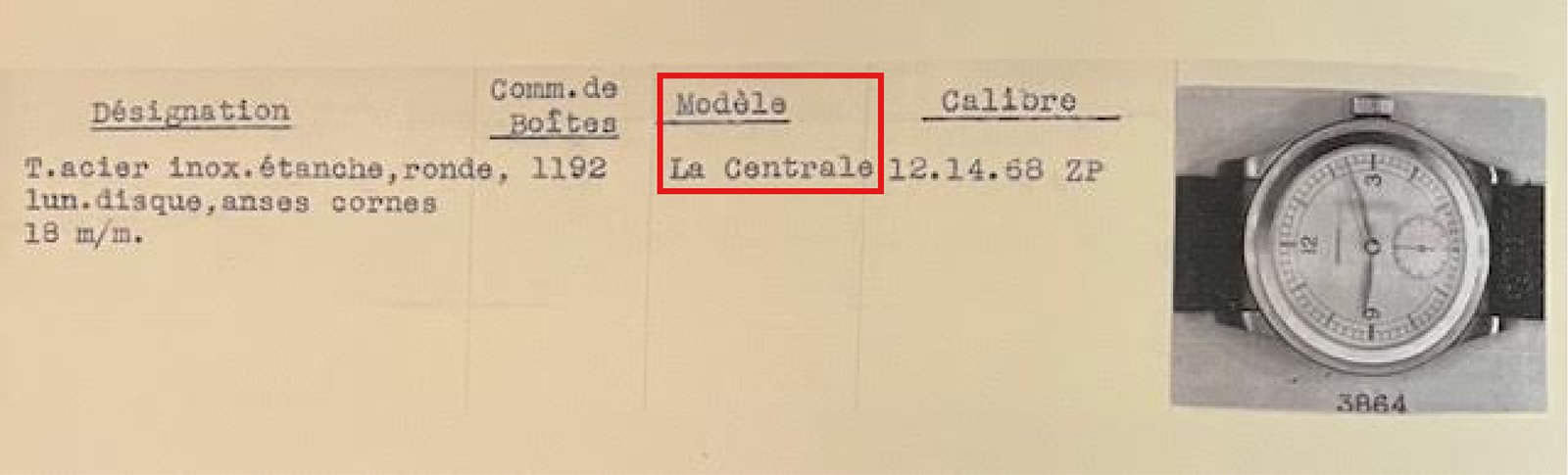
Although the 4974 “Tre-Tacche” is the first screw back waterproof chronograph Longines produced, It is not the first time Longines used the waterproof “three-notch” screw-back steel case design. According to the Longines register, the reference 3864, housing a time only 12.68 movement, used a “three notch” style case starting in the late 1930s. Through research, I believe that in fact all cases for the 4974, 4270 and 4813 were in fact manufactured for Longines by the case maker “La Centrale.” I will detail my findings below.
Longines St. Imier at the time of the production of these early waterproof chronographs employed a staff of over 100 in house case makers. We know that the production of steel waterproof watches only made up a very small portion of watch production at the time. We also have confirmed that At least some of the time only waterproof steel watch cases were indeed subcontracted and made by “La Centrale”.
The Tre-Tacche style case created a watertight seal with a flexible rubberized lead gasket placed between the case-back and mid-case that meet when screwed together. In fact, several other models and sizes using this style of case ranging from 30mm-35mm were produced starting in the late 1930s. The earliest batches of these cases had the exterior case-backs stamped with a swiss patent mark indicating both “waterproof” and “non-magnetic”.
The “Three notch” time only case was not patented by Longines, and in fact can be found in use in small numbers by other brands at the time. Upon further research, it was found within the Longines registers that the case manufacturing company “Fabrique de Boites La Centrale”, in Bienne or “La Centrale” , who specialized in the manufacture of steel waterproof watch cases, was contracted by Longines to make 3864 “tre- Tacche” cases. The patent referenced on the case-back of the early models, while not specifically referencing the 3 notches, was referencing the “antimagnetic” properties of the case which was machined in order to prevent the magnetization of the movement parts.
Longines Register image of the cliche or reference 3864, a “Tre tacche” screw back case confirmed to be made by the contractor “La Centrale”- published by Auro (Goldbergers) book.
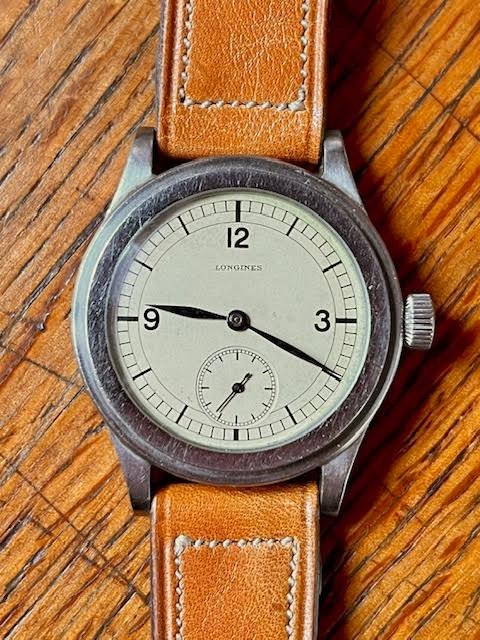
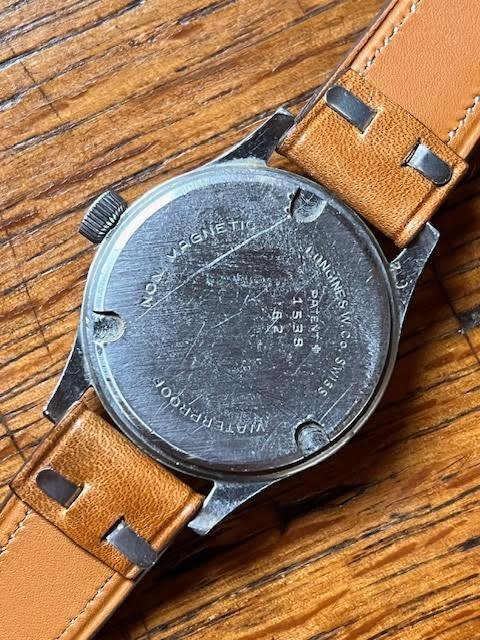
An early 1937 (pre-war) all original reference 3864 with a “La Centrale” made case. The style of this example also matches Longines archive image. Please note the rear stamping of “patent” and the circular style of waterproof and non-magnetic. of this back which I will cover further later.
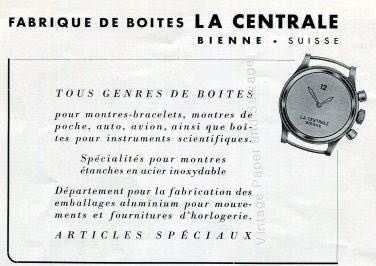
La Centrale aka “Central Watch Case” advertising piece showing the makers Factory
La Centrale advertising piece showing a waterproof Chronograph case
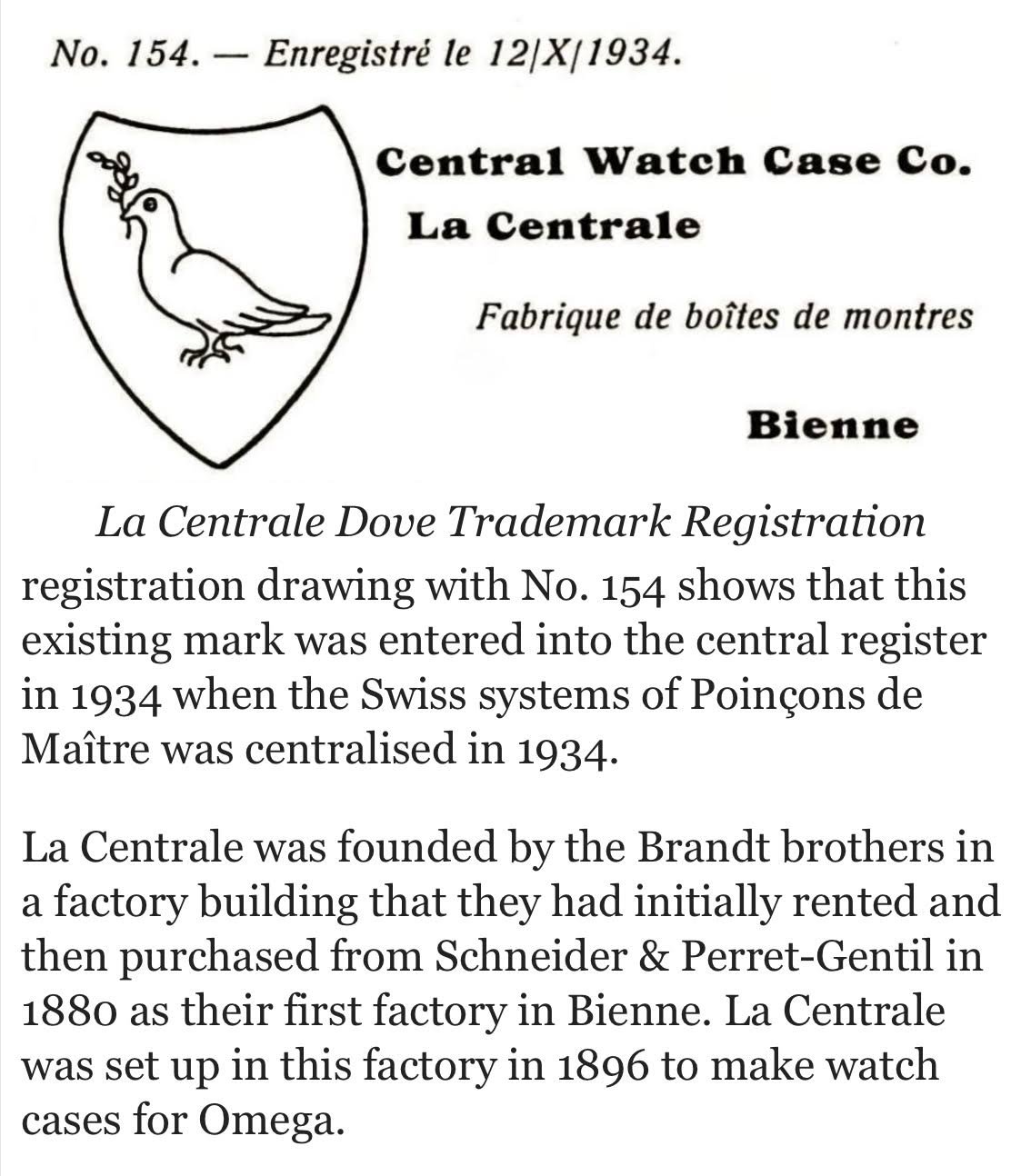
La Centrale info detailed on “watch-wiki”
In 1939 La Centrale also registered another patent (21288) that relates to the method of forming a watch case. Due to metal shortages during the war and the labor intensive process of turning cases on a lathe, a more economical method was to be used to form the steel cases. This method, also known as “etampage” forms the mid case by compressing steel or metal into a form or mold, creating a finished shape that is stamped with pressure. It seems that this method, as well as middle cases machined from a solid pieces of steel were used throughout the production across different order numbers of the reference 3864 that were supplied by “La Centrale”. You can see this variation on the reference 3864 by looking under the lugs. The earlier 1930s / pre-war batches with the patent marks will have a solid and thick lug. Some of the later 1940s versions have a “split” or seam under the lug created from the compression of the metal forming the case.
Below you can compare two 35mm Tre-Tacche reference 3864 cases, one being made from a machined solid steel block, and the other through compression or empatage.
Reference 3864, machined on a lathe from a solid piece Of steel from 1937. Note the solid lugs. All 4974 / 13zn cases are made in this manor.
A Later Reference 3864 from 1942 produced using the “empatage” method. You can see the splits below the lugs that are formed from the compression.
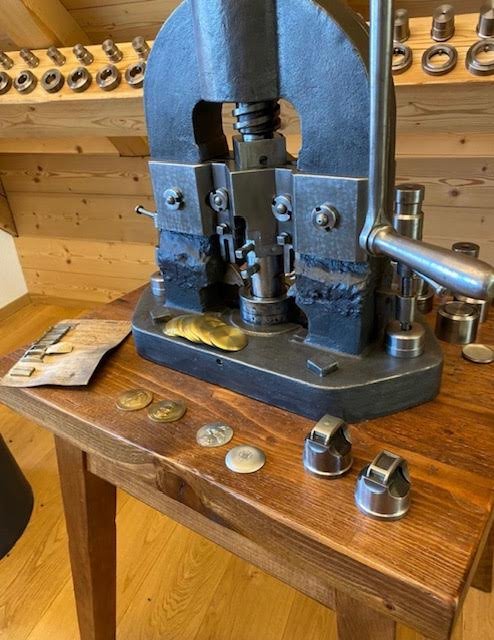
Images courtesy of Tanguy, showing an example of how “Etampage” cases were made using compression and a die press. A similar type method was used for some time only Tre-Tacche cases.
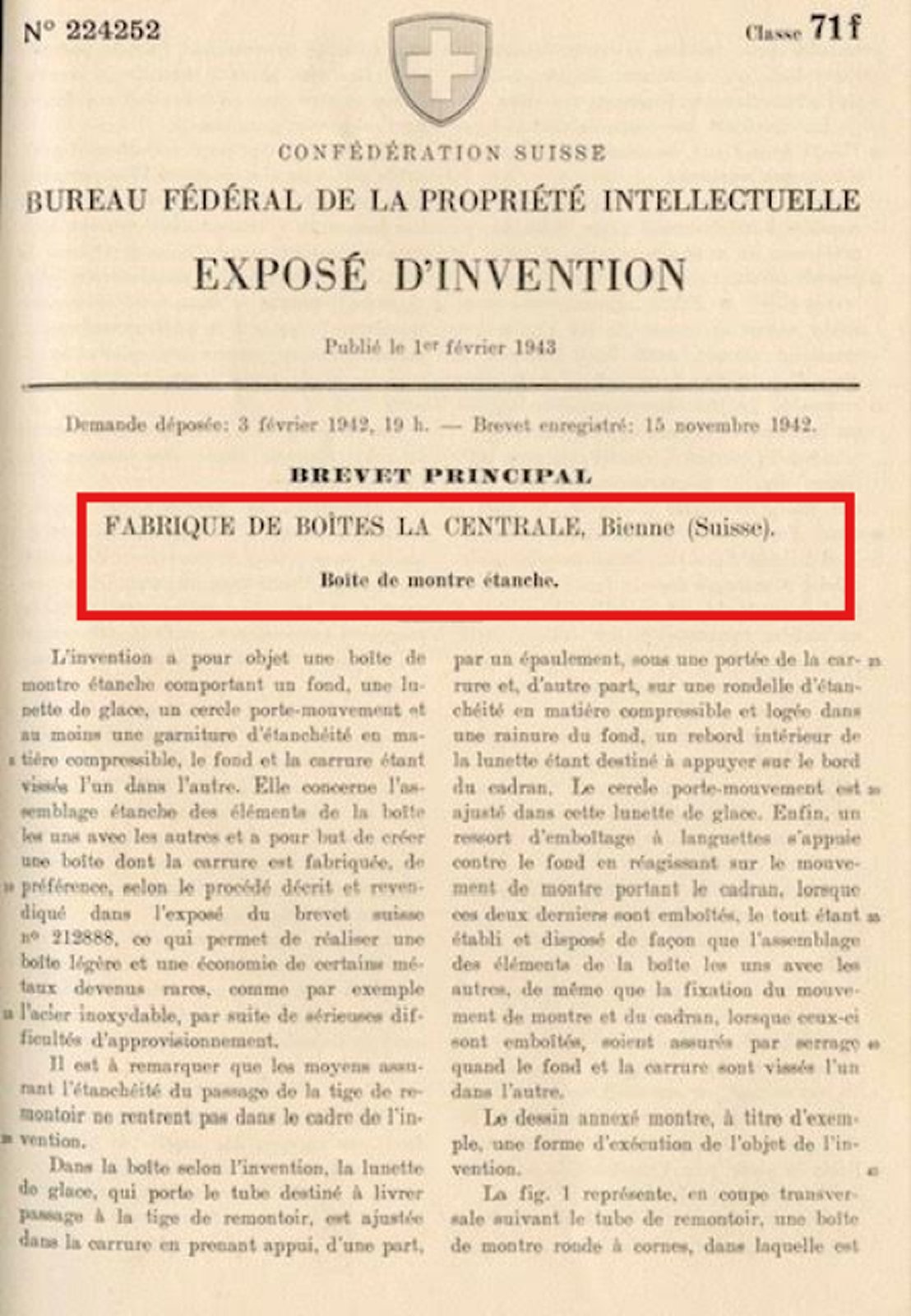
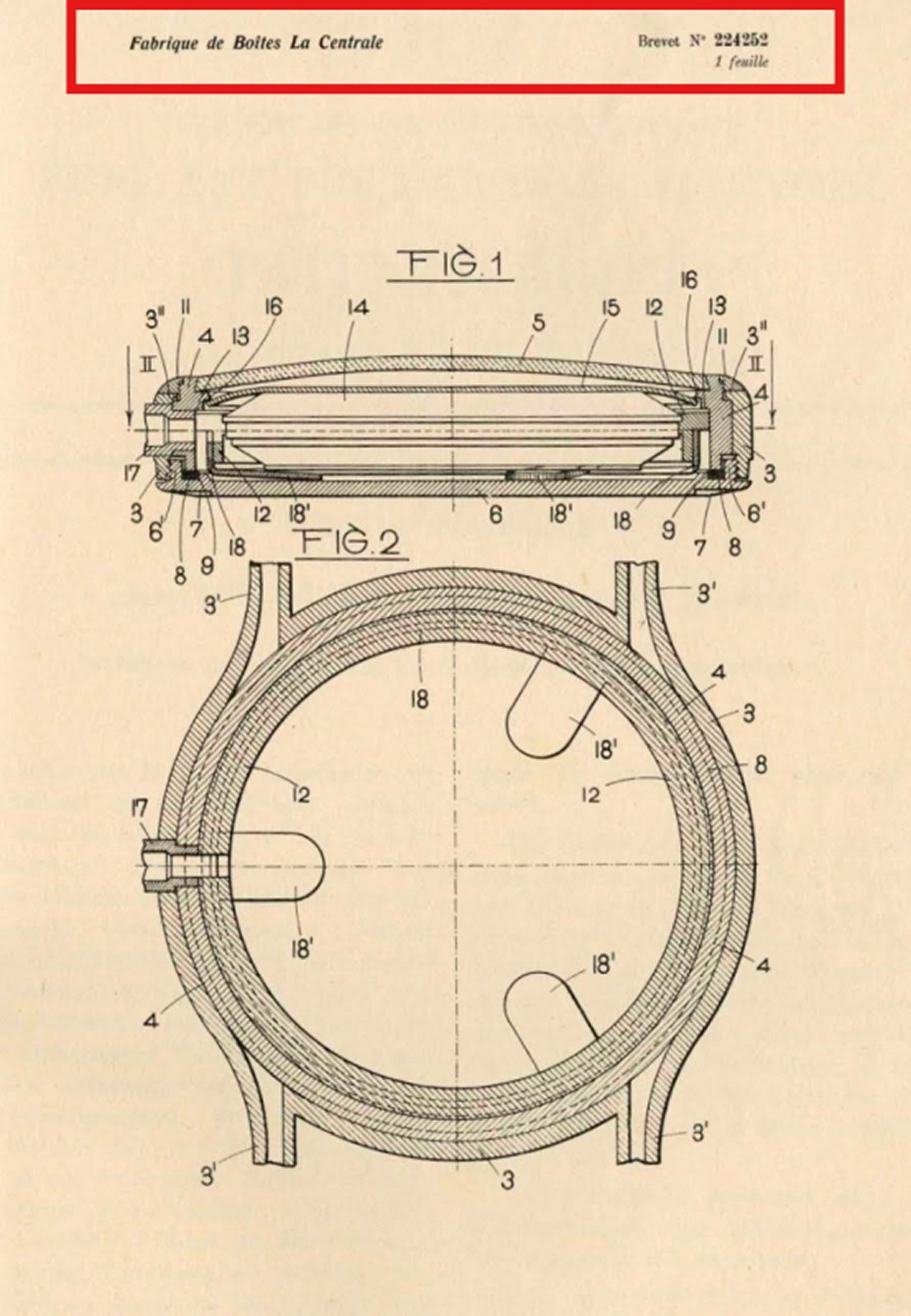
There is also an interesting patent filed ( patent 224252) in 1942 by la Centrale, for a waterproof watch case that relates to the assembly of the case and movement holder. While not referencing the “3 notches” in the patent text itself, within the technical drawings supplied we see the “3 notch” case-back illustrated as in use by Longines since the late 1930s. This shows us that the “3 notch” design was being developed and used by “La Centrale”
La Centrale Patent illustration shows the use of the “3 notch” case-back style.
The 4974 13zn mid-case was only produced using a solid piece of steel that was turned on a lathe, and finished with manual machining. This was a more labor intensive way to produce the case. The quality of these cases, especially during wartime, spared no material or expense.
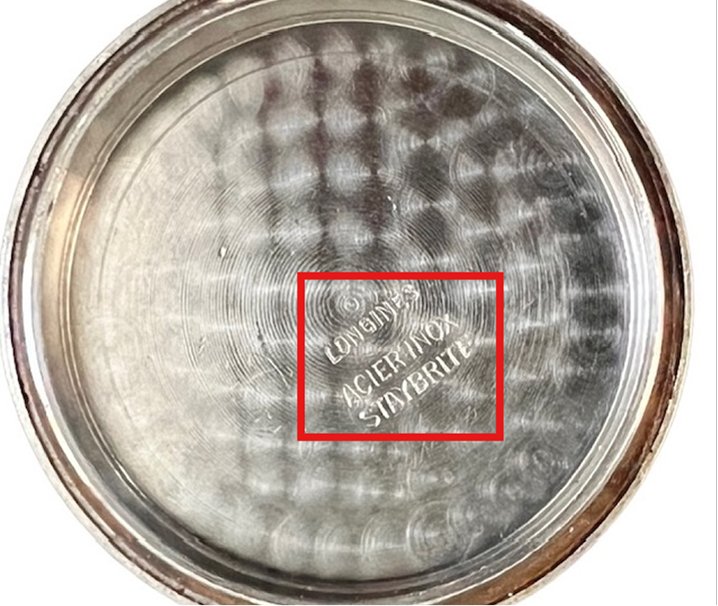
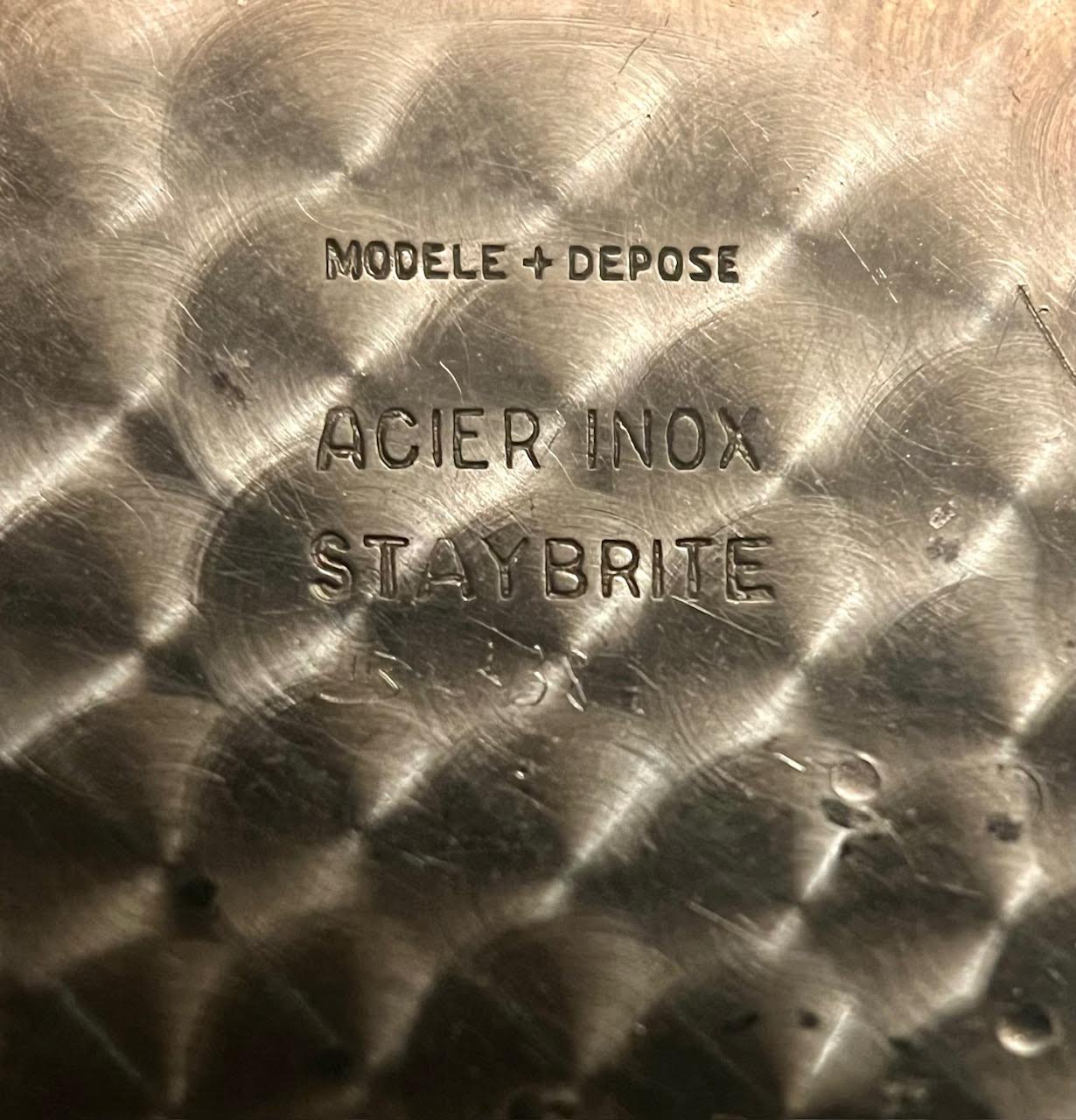
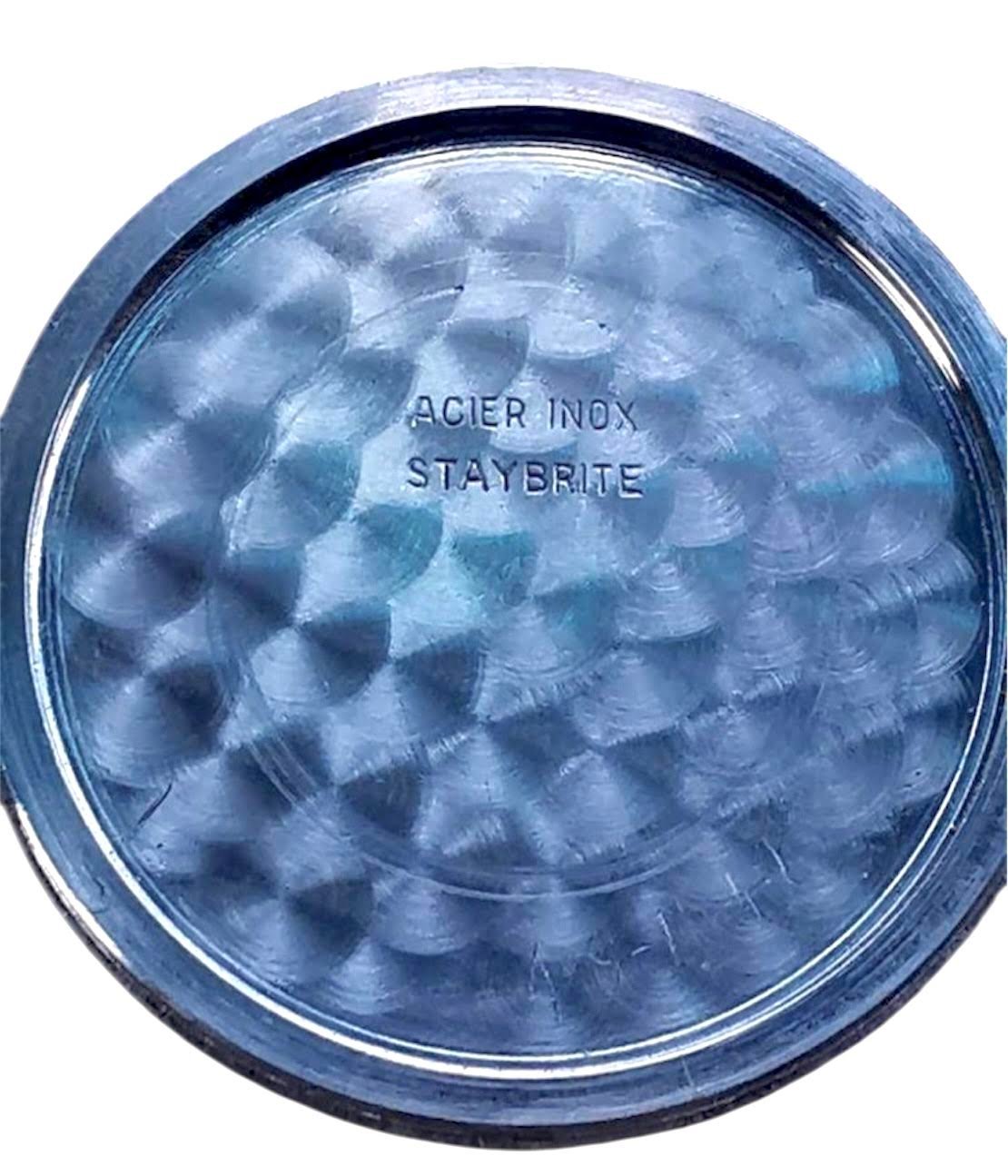
You will see on the inside of both 13zn 4974 cases, as well as time only Tre-Tacche cases the word “Staybrite” stamped. “Staybrite” steel was an early patented stainless steel alloy that was only produced in Sheffield, UK. The alloy was a mix of steel, chromium and nickel, which had superior anti-corrosion properties. The material was patented by Hebert Hatfield / Brown Firth in 1924 and was distributed in Switzerland by the company Firth, starting in 1931. “Staybrite” steel was used by La Centrale starting in the early 1930s.
Staybrite stamp on inner 4974 Chronograph case-back.
Staybrite stamp on inner 4270 “MP” Chronograph case-back.
Staybrite stamp on inner 3864 Tre tacche Longines time only case.
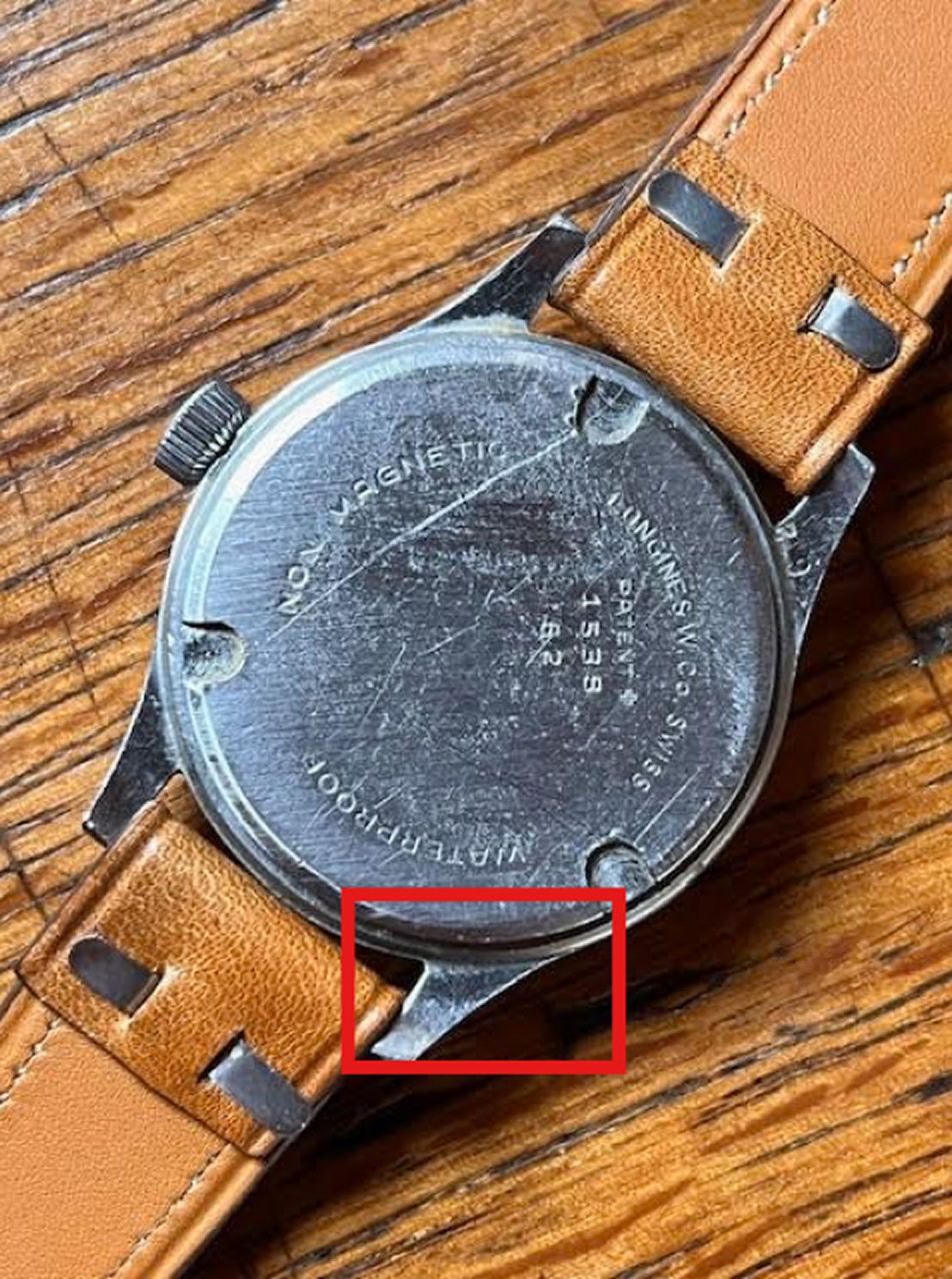
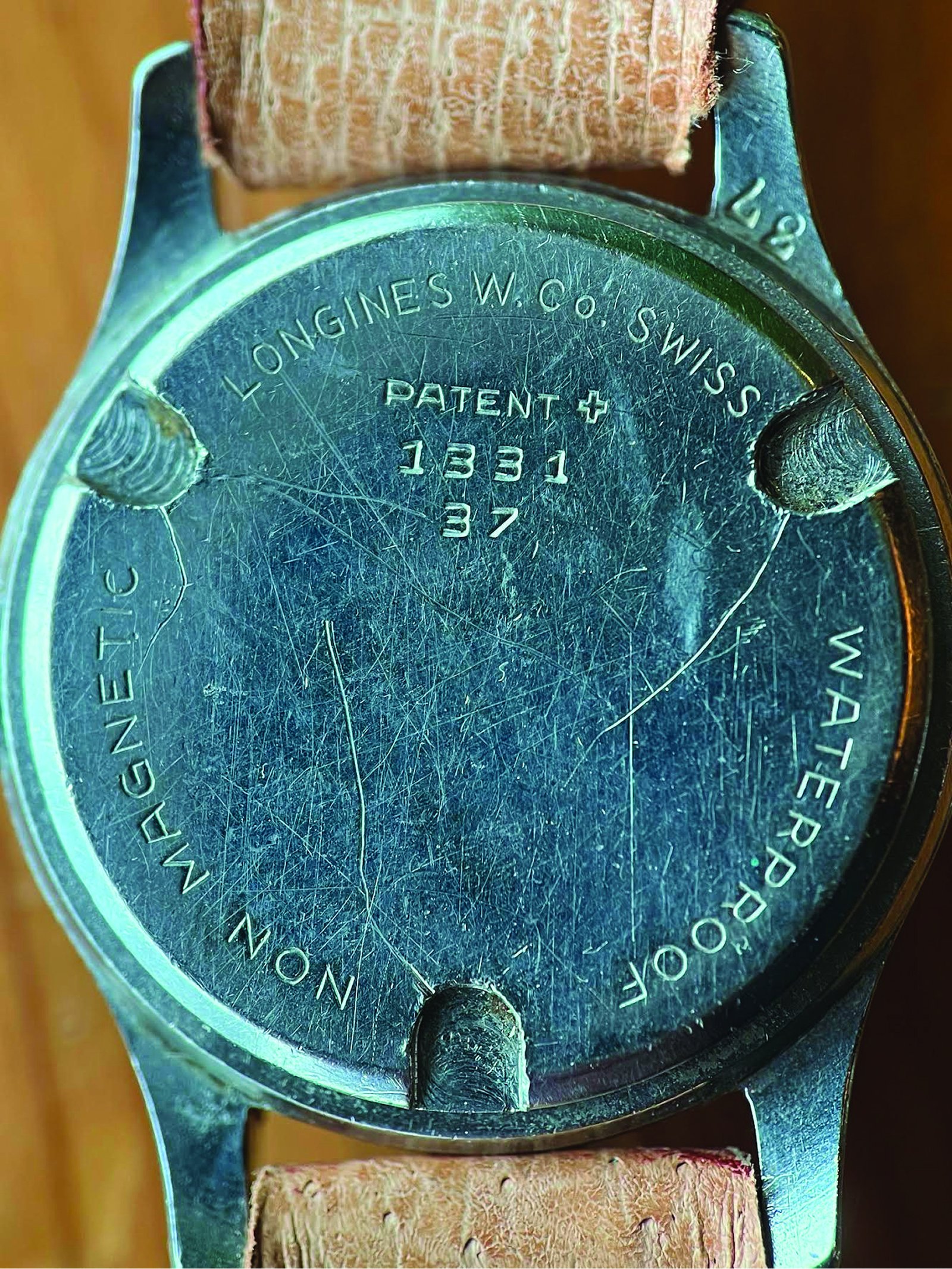
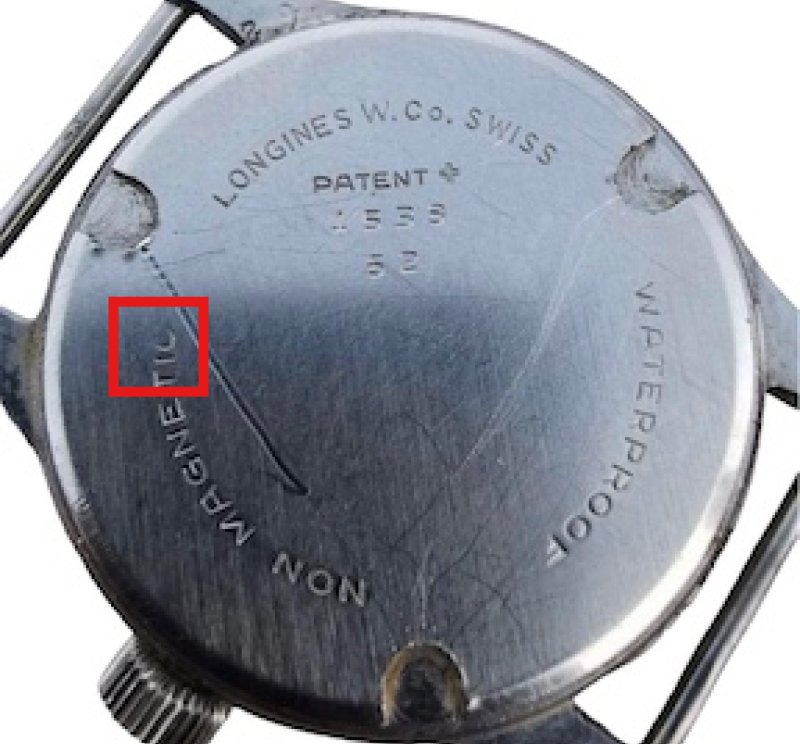
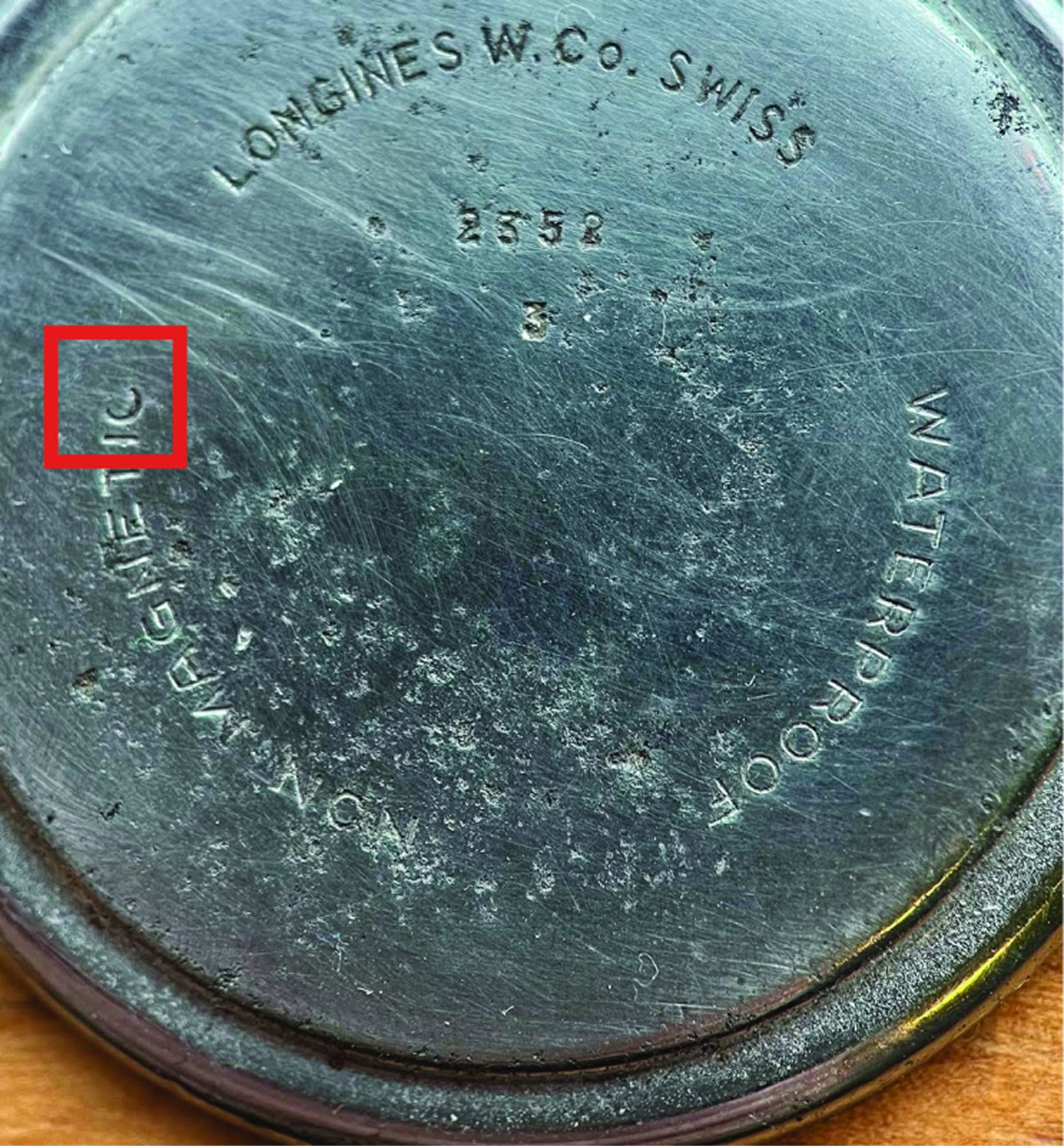
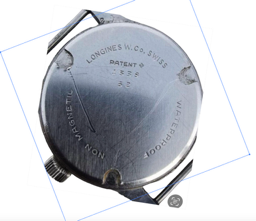
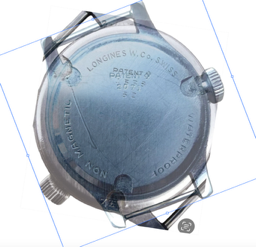
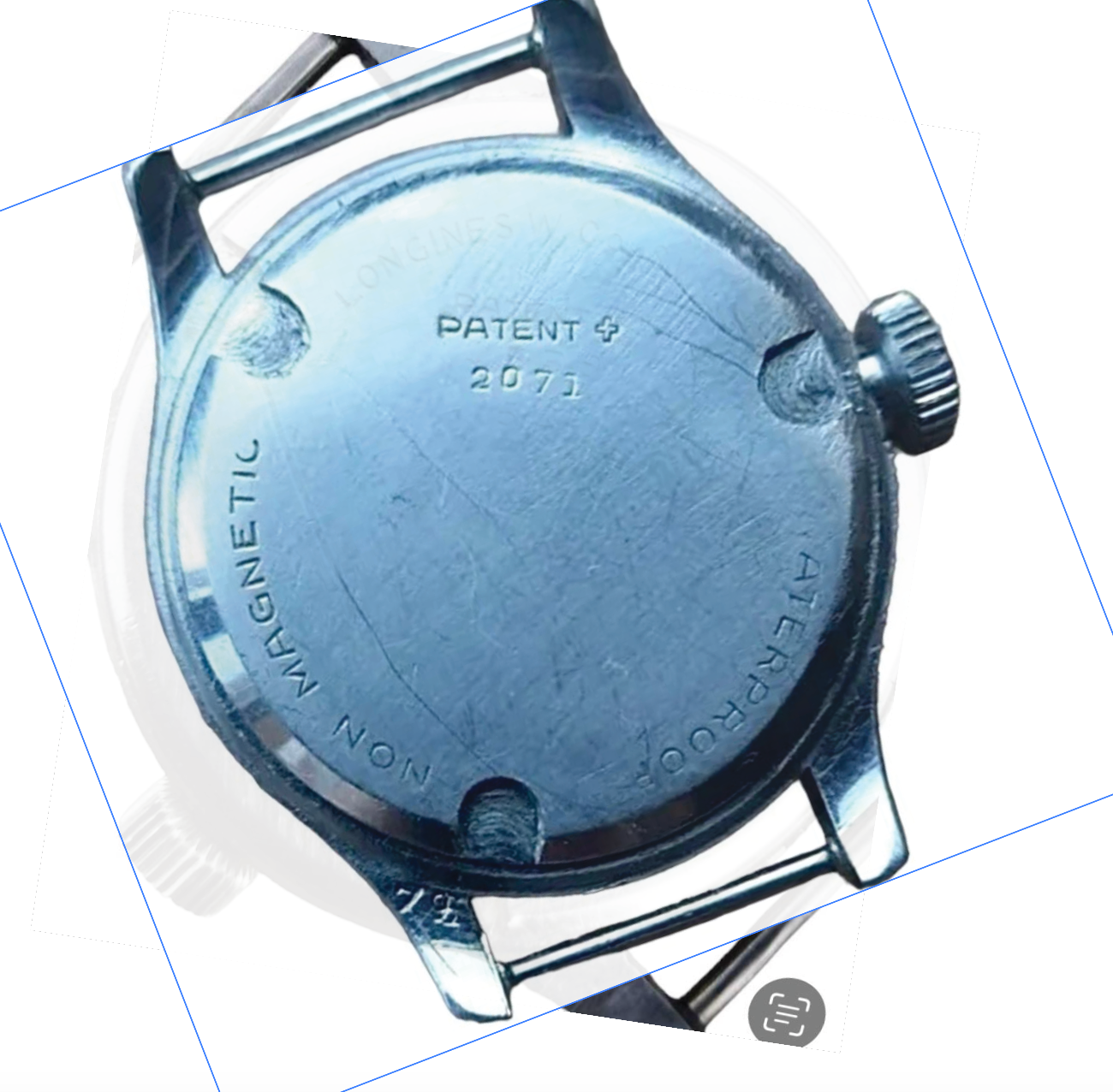
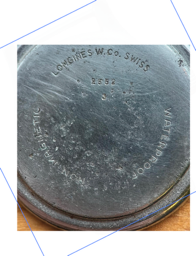
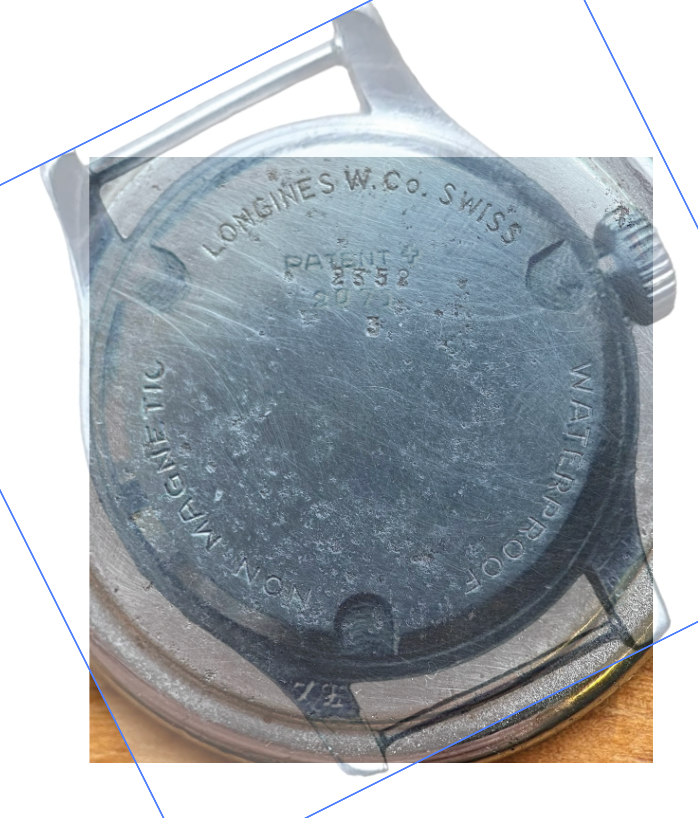
I now want to call attention to other details which further links waterproof Longines case manufacturing to La Centrale. As we looked at previously, we see the confirmation from Longines of the 3864 case being produced by La Centrale. On the exterior of the case-back of the early reference 3864, there is circular stamping that is in 3 sections. “Longines W.Co. Swiss” – “waterproof” – “non-magnetic” and a separate stamp of “Patent +”. The diameter of this round stamp is 23.6mm. Looking below we see that this stamp all bears the “defective” ‘C” in “magnetic” emblematic of the 4270 case-backs. Below also shows the same 23.6mm layout on 3 different Longines case-backs. The 1st is a 30mm Tre-tache, the second is the Confirmed 1937 La Centrale made 35mm 3864 case-back stamp, and the last image is the case-back of the 37.5mm 4270 mushroom pusher case. You can see that the original design of the stamp was to fit neatly between the 3 notches on the 30mm case. The same tool was repurposed to stamp the larger 35mm and 37.5mm case-backs, making the art “float” on the larger case-backs.
You will see on the inside of both 13zn 4974 cases, as well as time only Tre-Tacche cases the word “Staybrite” stamped. “Staybrite” steel was an early patented stainless steel alloy that was only produced in Sheffield, UK. The alloy was a mix of steel, chromium and nickel, which had superior anti-corrosion properties. The material was patented by Hebert Hatfield / Brown Firth in 1924 and was distributed in Switzerland by the company Firth, starting in 1931. “Staybrite” steel was used by La Centrale starting in the early 1930s.
1331 30mm Tre tacche case-back with 23.6mm Stamp.
3864 35mm tre tacche case back confirmed by Longines records to be made by La Centrale also bearing the identical 23.6mm stamp.
4270 37.5mm mushroom pusher case back bearing the identical 23.6mm stamp.
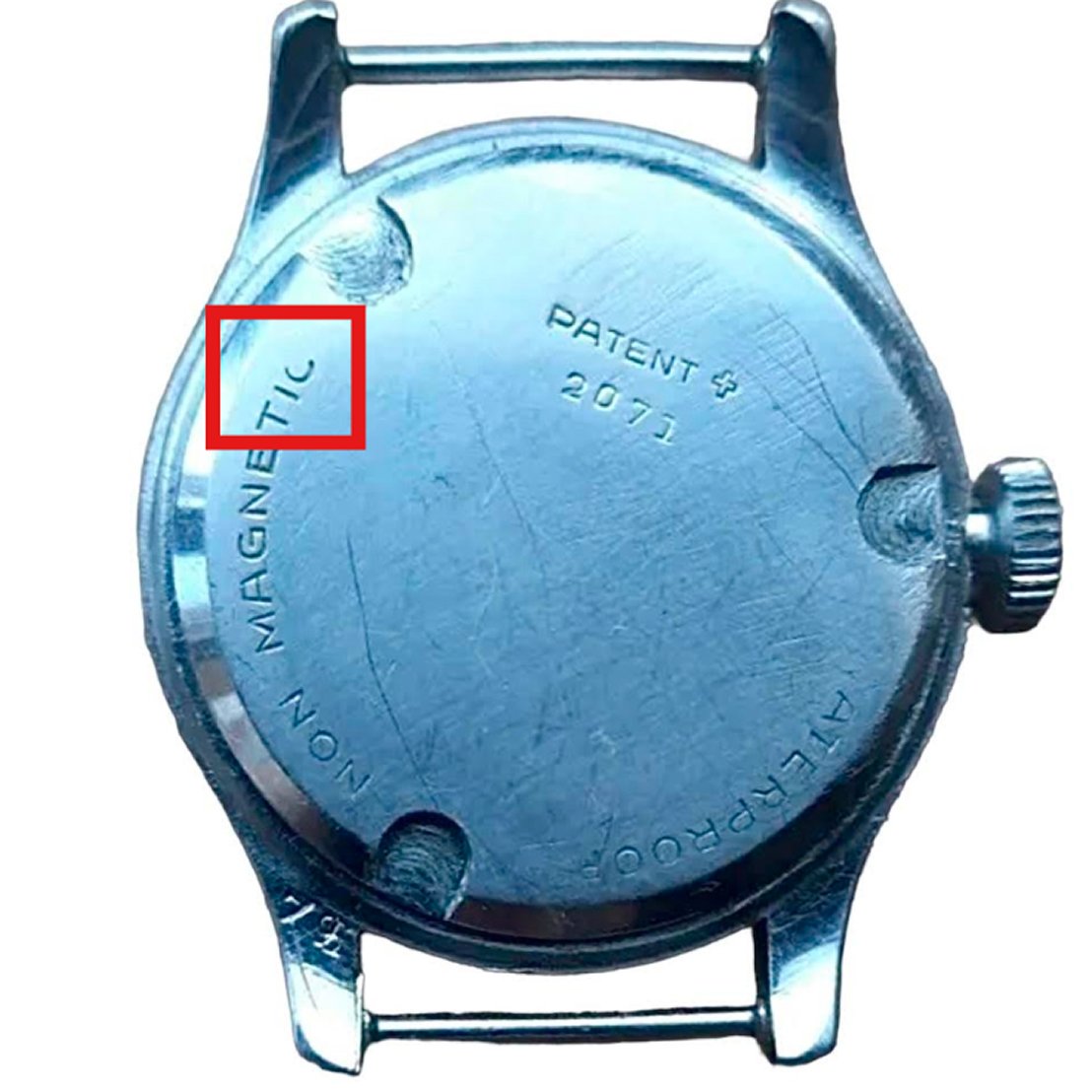
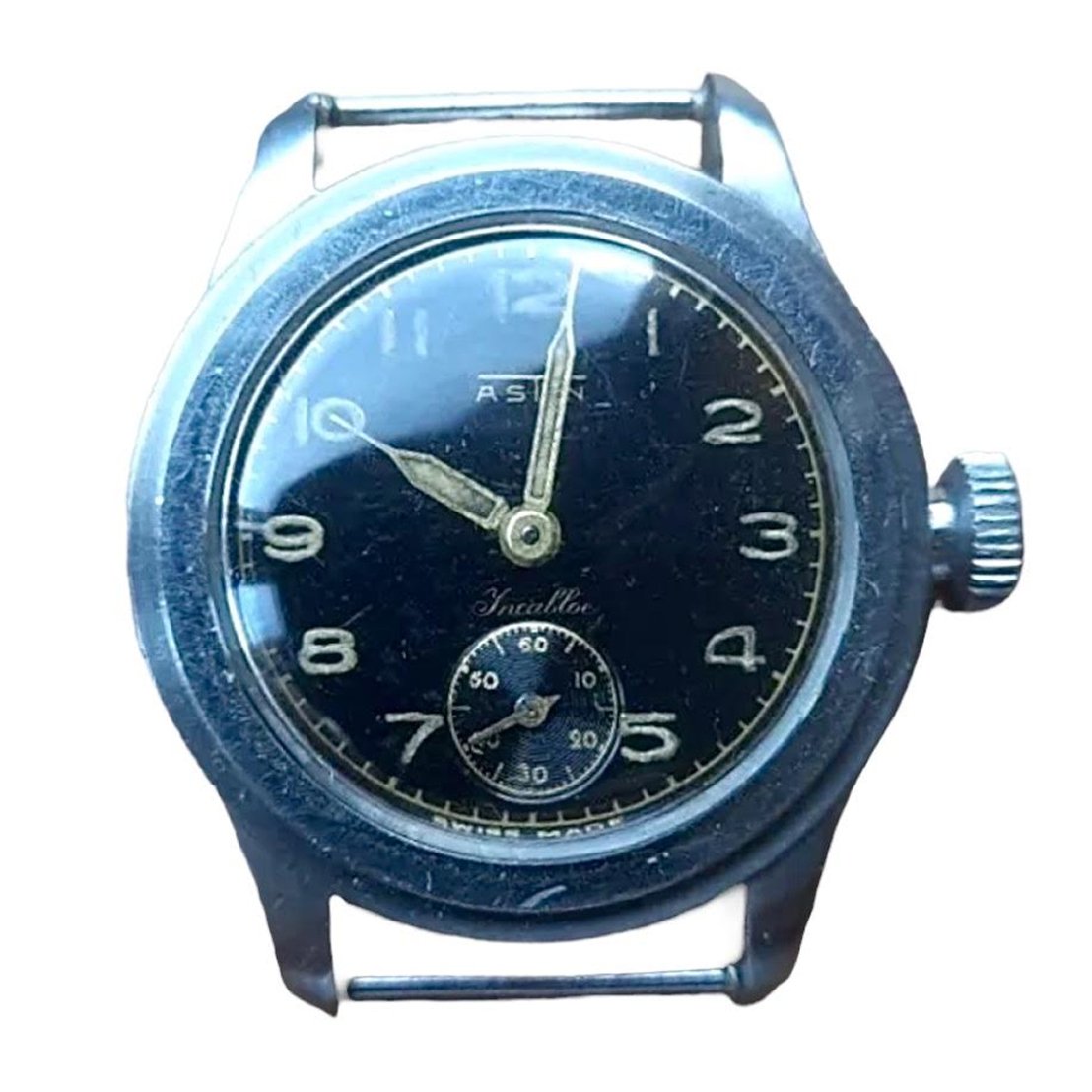
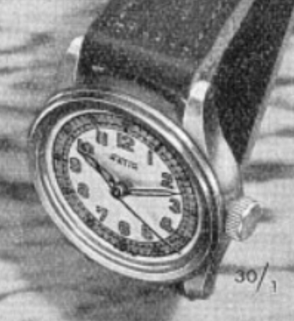
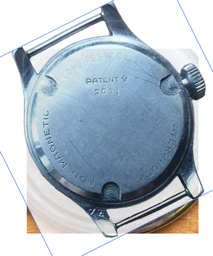
I have also found a non-Longines “Tre-Tacche” case made in the early 1940s bearing the same 23.6mm stamp (minus Longines) with the same “defective C” in “Magnetic”. This example is a 30mm “Astin” watch. It is unlikely that Longines would make a case for another watch company with no affiliation. Its more likely that they both purchased the cases from “la Centrale.”
You will see on the inside of both 13zn 4974 cases, as well as time only Tre-Tacche cases the word “Staybrite” stamped. “Staybrite” steel was an early patented stainless steel alloy that was only produced in Sheffield, UK. The alloy was a mix of steel, chromium and nickel, which had superior anti-corrosion properties. The material was patented by Hebert Hatfield / Brown Firth in 1924 and was distributed in Switzerland by the company Firth, starting in 1931. “Staybrite” steel was used by La Centrale starting in the early 1930s.
Astin 30mm Tre tacche case-back with 23.6mm Stamp.
Astin 30mm Tre tacche case-back with 23.6mm Stamp with same defective “C” tool used as Longines cases..
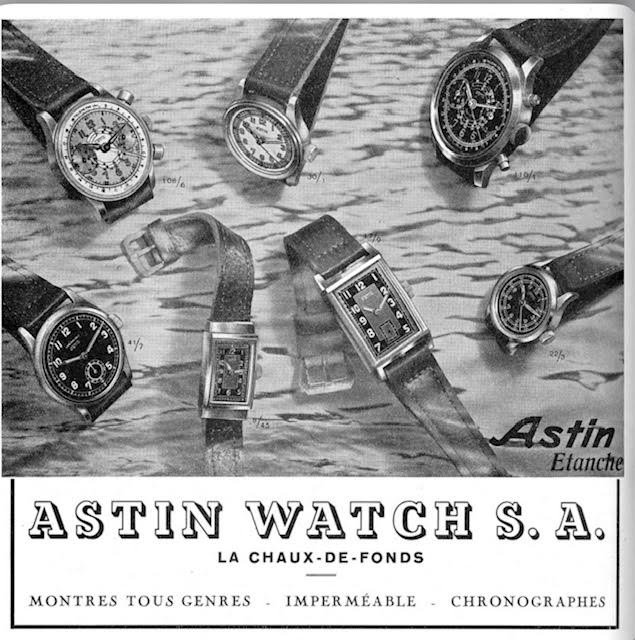
1940s Astin advertising showing waterproof watches. Note the Tre-Tacche style case as well as a Spilmann cased chronograph..
1940s Astin advertising showing waterproof watches. Note the Tre-Tacche style case as shown above.
I have now taken all 3 artworks and overlapped them on top each other digitally to confirm that in fact the same exact tool was used to stamp all of these cases, both on the Astin example as well as the 3 styles of Longines cases. You can see from the following images that the size, spacing, font, and tooling defects match on all examples of the case-back stamps across multiple Longines examples as well as the Astin case. Not shown in the images below clearly, is that the font of the stamps used to stamp the “order” numbers and “paring numbers on all of these casebooks match perfectly.
3864 35mm tre tacche case back confirmed by Longines records to be made by La Centrale bearing the identical 23.6mm stamp.
Astin 30mm Tre tacche case-back with 23.6mm Stamp with same defective “C” tool used as Longines cases overlaid on 3864 caseback,
Astin 30mm Tre tacche case-back with 23.6mm Stamp with same defective “C” tool used as Longines cases overlaid on 3864 caseback,
4270 caseback with 23.6mm Stamp.
Astin 30mm Tre tacche case-back with 23.6mm Stamp with same defective “C” tool used as Longines cases overlaid on 4270 caseback,
Astin 30mm Tre tacche case-back with 23.6mm Stamp with same defective “C” tool used as Longines cases overlaid on 4270 caseback,
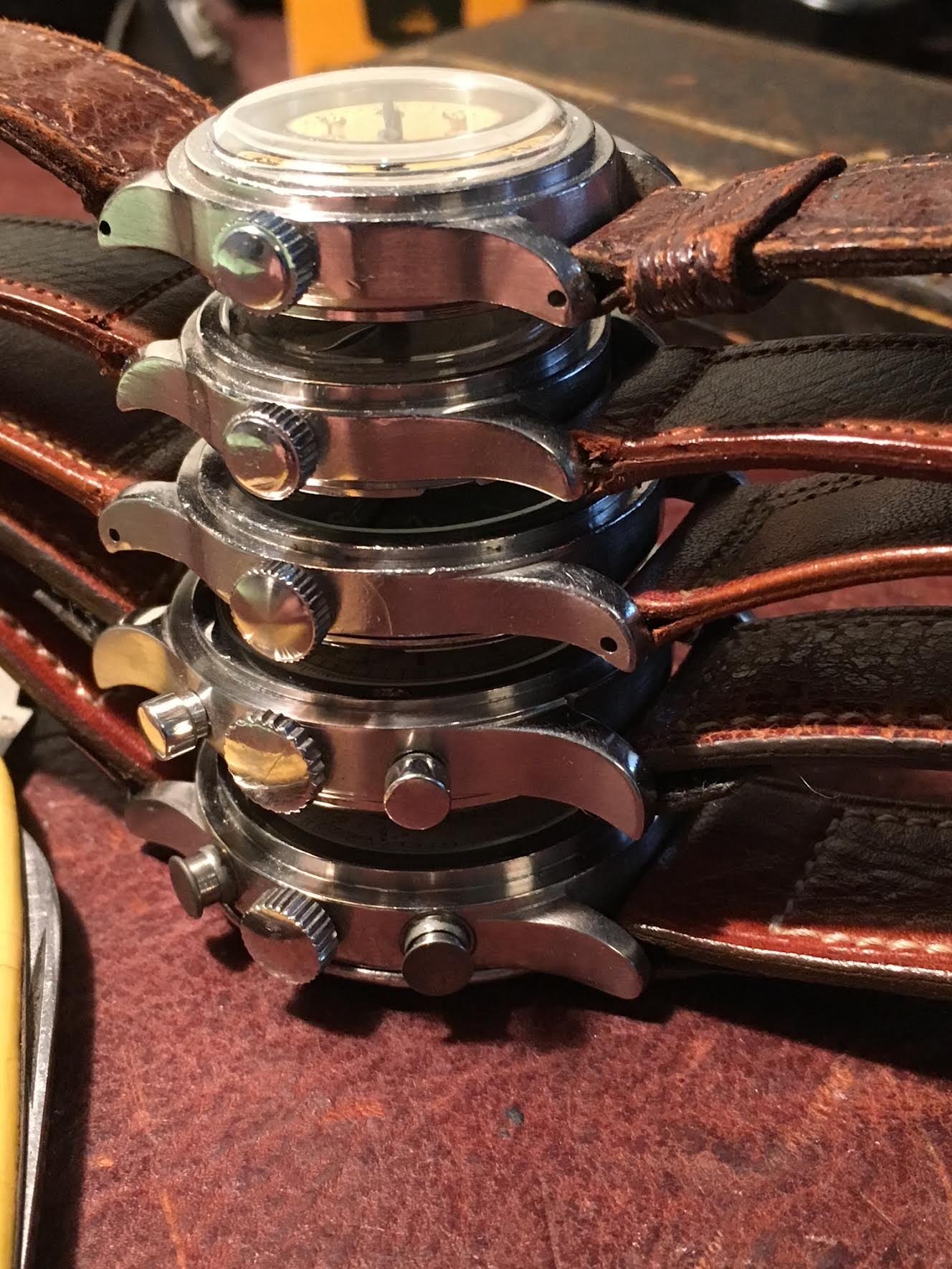
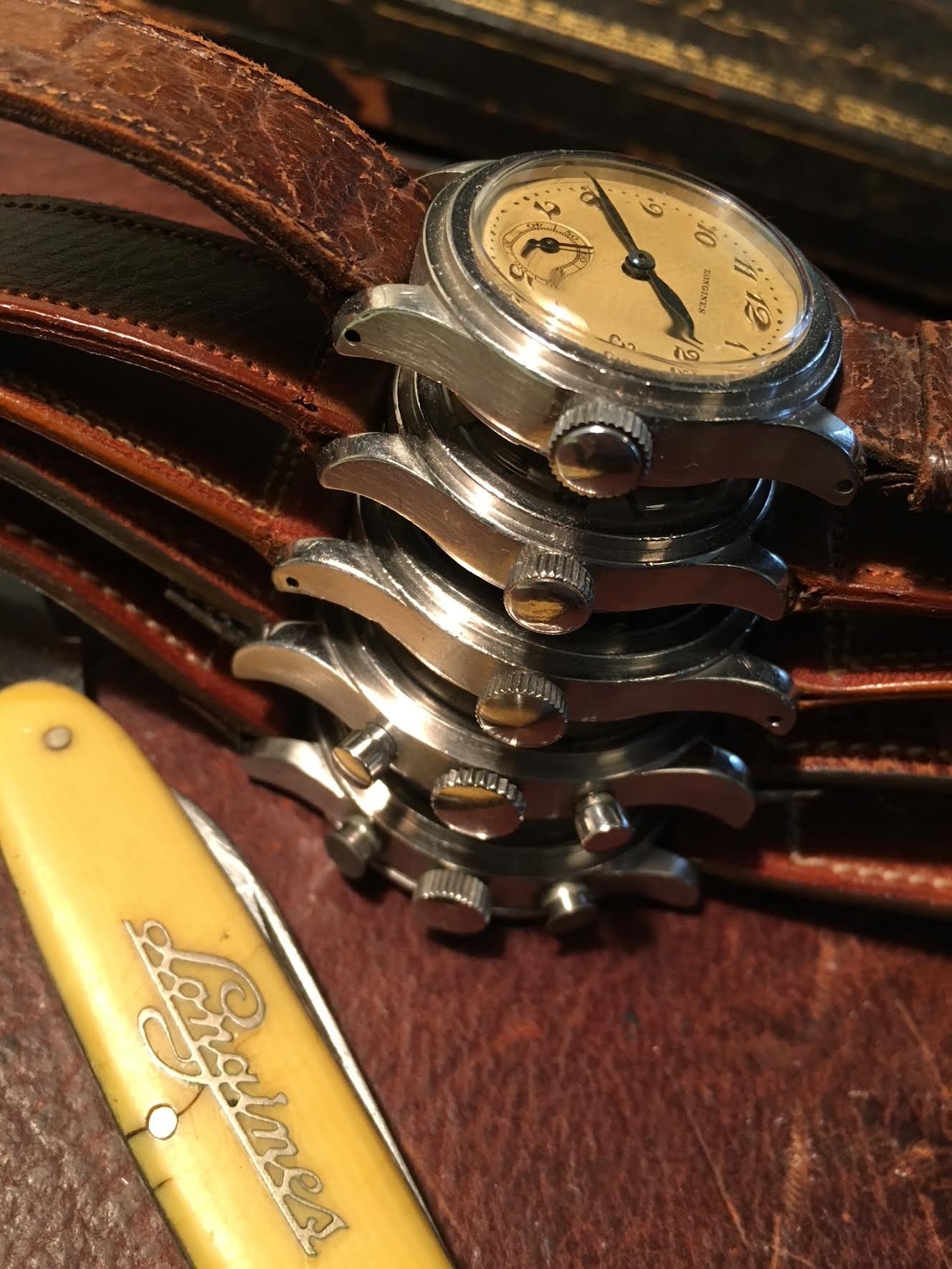
When Comparing the materials, shapes, manufacturing methods, Stamping, gaskets and insulating materials, you can see that there is a complete consistency in the manufacture of the Tre-Tacche and mushroom pusher cases. The following images show a side and angled profile view of Longines waterproof cases. You can see the how similar the cases are. The Case in the middle of the stack is a 35mm 3864 “Tre-Tacche” case that is confirmed to have been manufactured by “La Centrale”.
From top to bottom, 2 pc of 1331 30mm Tre tacche cases, 1 pc of a 35mm 3864 La Centrale made case, 1 4974 13zn case, 1 4270 mushroom pusher case. As you can see the similarities in shape and manufacture are very similar.
From top to bottom, 2 pc of 1331 30mm Tre tacche cases, 1 pc of a 35mm 3864 La Centrale made case, 1 4974 13zn case, 1 4270 mushroom pusher case. As you can see the similarities in shape and manufacture are very similar.
I have taken the artwork and overlaid with about 10 examples and they all match. I have also compared the “patent +” stamp and they are also identical. Since we have confirmed by Longines written records that the 3864 case was indeed made by La Centrale, and we see the manufacture method, tooling and that the stamping used is identical on both Longines and non-Longines watches, It is very likely that these cases were all produced by the same maker, La Centrale.
In conclusion, regarding the tre tacche 4974 case production, at the time of writing this, Longines was unable to find any written records relating to the location of the production of the 4974 13zn cases, as there are no notations found indicating “la Centrale” was contracted specifically for the 4974 cases. Although we would need more concrete documentation to confirm who manufactured the 4974 cases, There remains the strong possibility that these cases were indeed subcontracted to an outside maker with specialized manufacturing, much like Borgel manufacturing chronograph cases for Patek Phillipe, Mido, Movado etc… Until concrete documentation emerges there are several possibilities. My personal belief is that It is likely the early steel waterproof chronograph cases were manufactured by “La Centrale”.
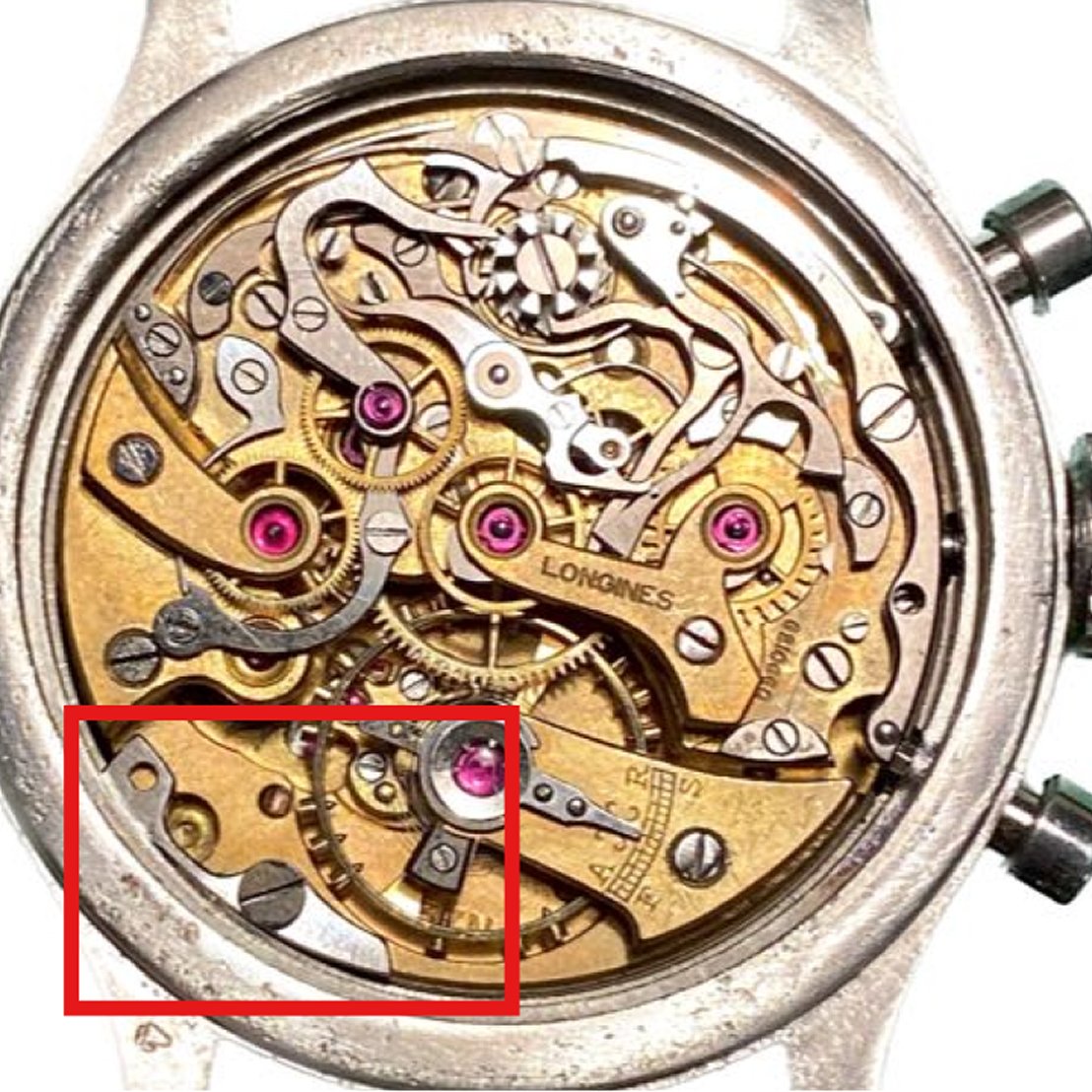
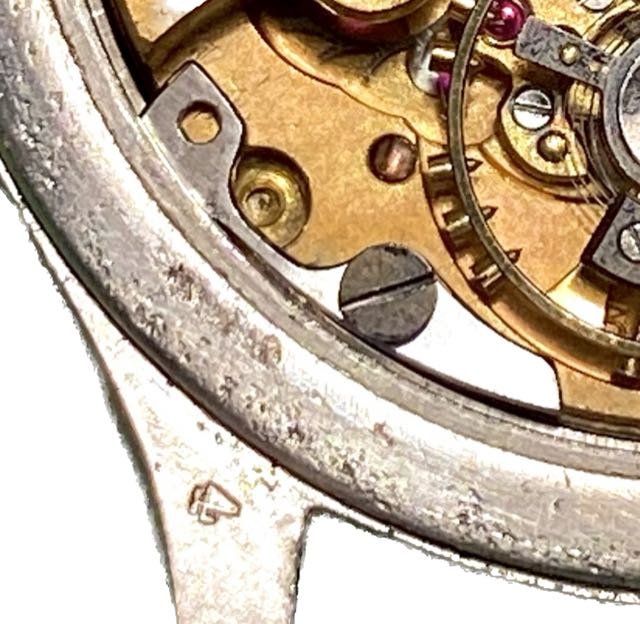
A key difference between the 4974 Tre-Tacche chronograph case and the earlier 3864 time only cases, is the method used to secure the movement into the case. While the time-only Tre-Tacches use a movement ring to secure the movement, The 4974 13zn uses a special clamp that is seen almost exclusively in waterproof 13zn models. The clamp is screwed into the movement plate and when tightened forces pressure into a groove machined into the internal portion of the mid-case. These clamps are often missing, so it is an important detail to have this part intact when acquiring a 4974.
4974 with Original movement clamp most often seen in 4974 and 4813 cases. It was also used on some 4270 cases.
Close up of the clamp and set screw that secures the 13zn movement in place. These clamps are difficult to replace when missing, so it is an important detail.
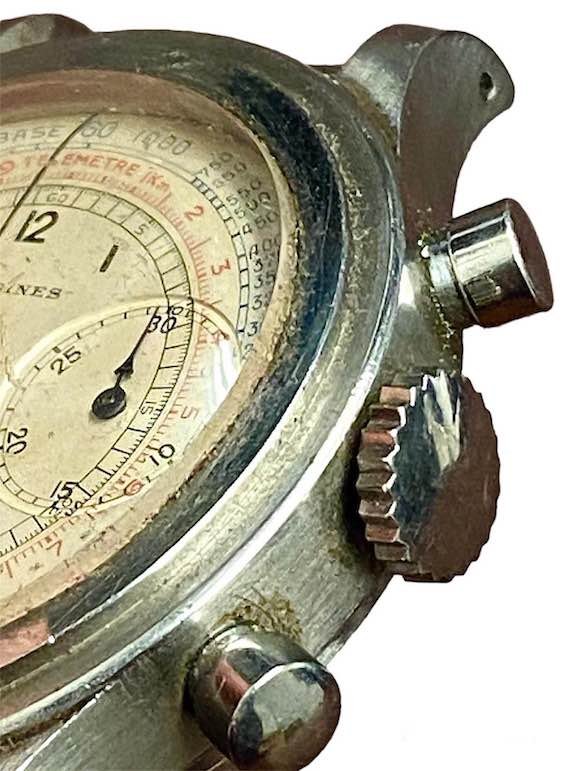
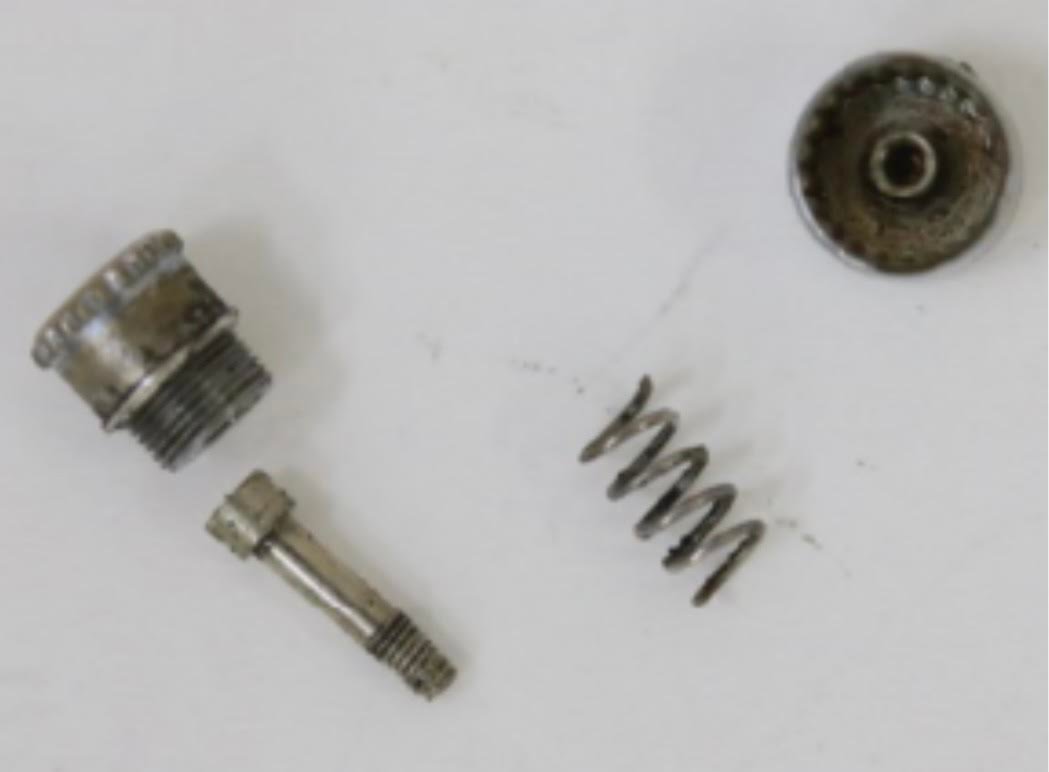
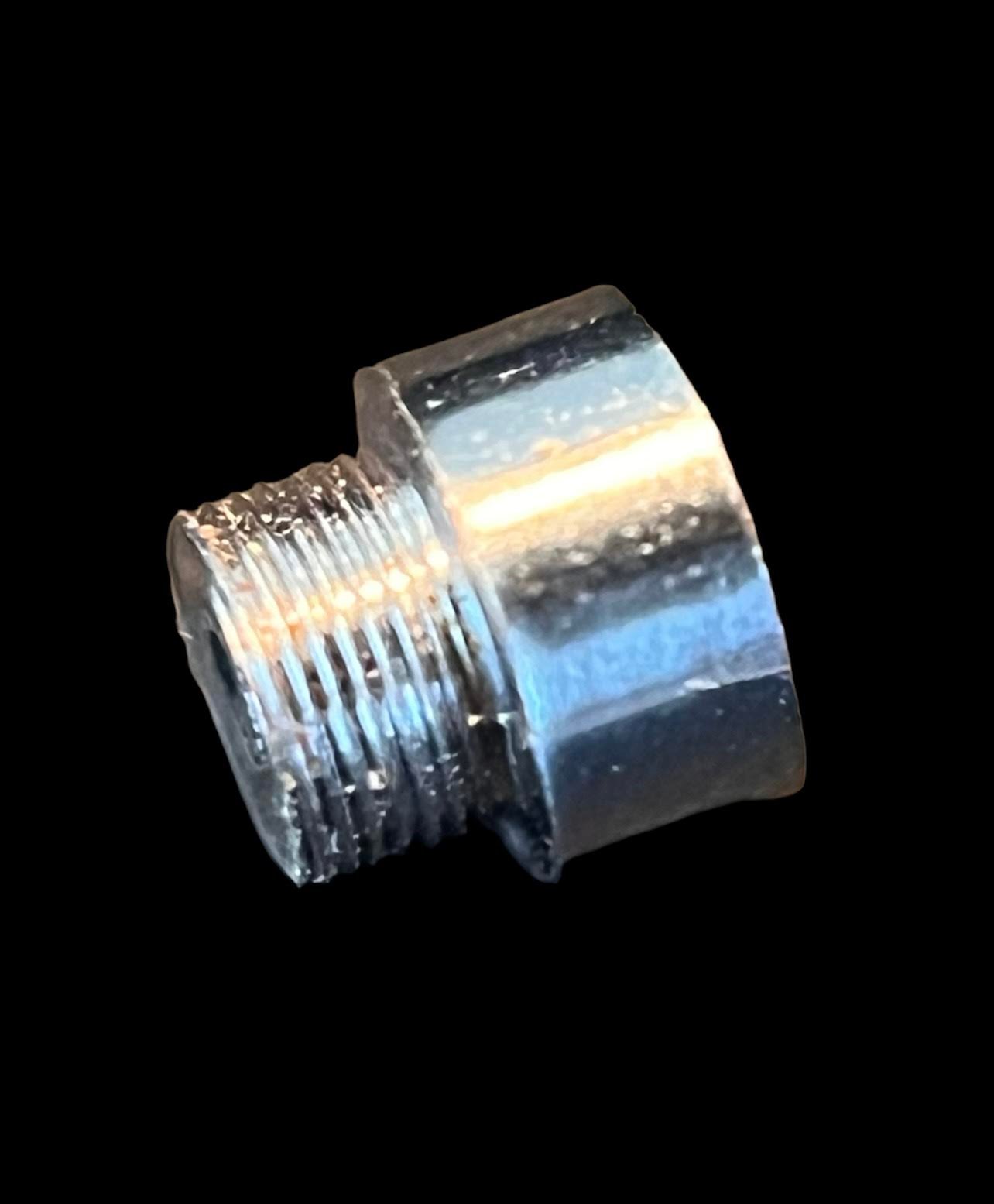
The 4974 case also has several important details that are worth noting. The pump pusher design used on the 4974 can be seen on watches made as early as 1939. A few pieces of reference 4270 were found with original pump pushers, but their use of the pump pusher did not become standard until the 4813 and 4974 cases in 1940. It is important to note that Longines was one of the earliest adopters of the screw in tube on a pump pusher. Round spring loaded pump pushers are seen being used as early as 1936. These new waterproof style pushers used by Borgel, Spilmann, and several others were inserted into the mid-case using pressure, with the tube of the pusher being smooth and not threaded. Longines first pump pushers used are inserted into the case using a threaded tube that creates a waterproof seal. It’s worth noting that the original pushers on 4974 used threaded tubes that had a “keyless” system. The tube would have to be inserted using a broach and was difficult to remove after installation. The first “keyed” traditional pump pusher tube was patented well after Longines started using threaded pushers in 1939/40. The keyed tube system was patented (patent 236424) by J.boninchi & Fils in 1943 and added a section of ridges that would make the tube easy to install or remove using a special tool. “Spilmann” also introduced a patent (201044) in 1937 for a waterproof screw in pusher, but it is shown in their signature “inverted” design as opposed to the more standard pump design. When collecting waterproof Longines, the presence of the original pushers is very important, as the material, construction and compact proportion are unique to these chronographs, and very hard to find if missing.
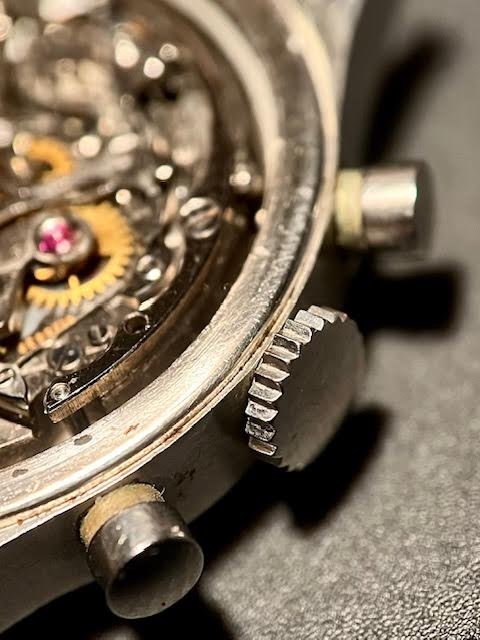
4974 with Original crown and pushers.note the thick pusher tubes with the thin rolled cap. They are a very unique proportion.
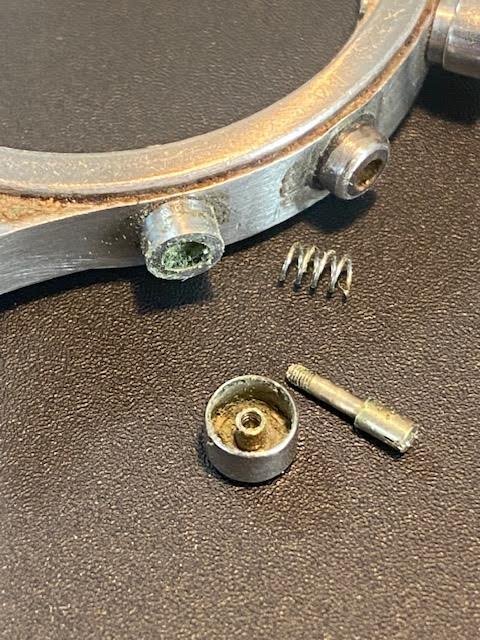
Untouched 4974 with Original pushers never removed. The remnant of the cork insulator is intact in the cap. It os a joy to find a watch like this.
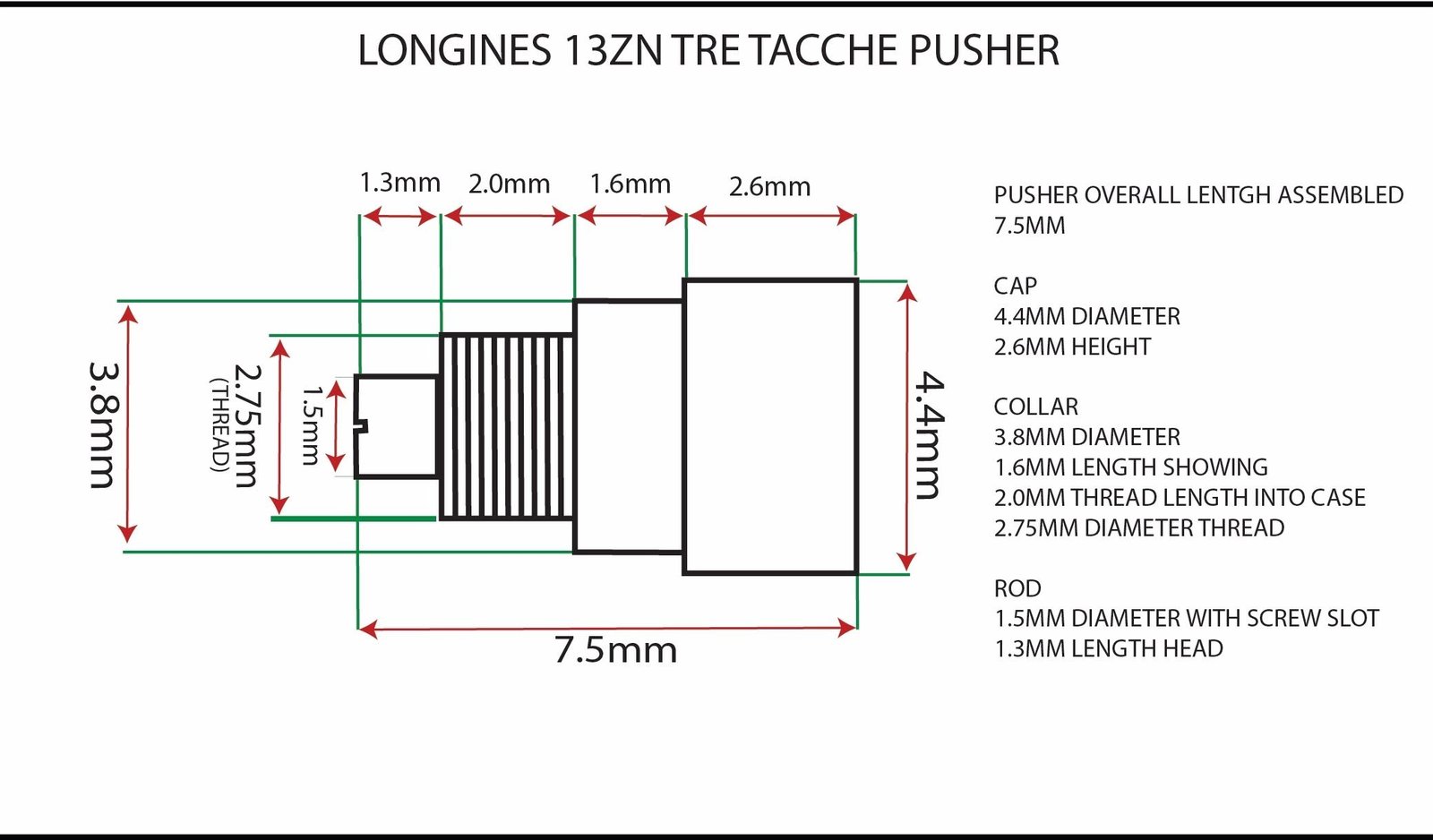
Precise dimensions of an original 4974 tretacche pusher
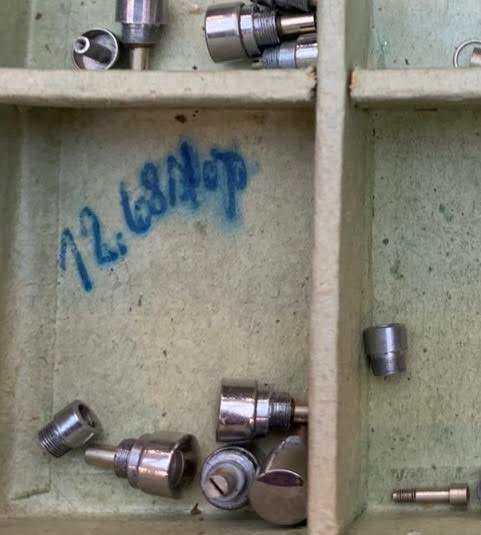
Extemely rare Longines parts box with unused Longines waterproof pushers.
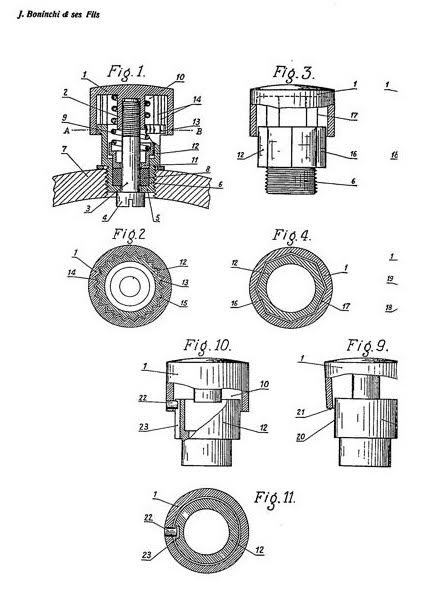
1942 Boninichi patent for a “keyed” pusher in which the tube is threaded and inserted with a tool. This style is often seen on Rolex chronopgaphs. The Longines threaded pusher tube use predates this patent and is “keyless” The tube must be intstalled with a broach. Longines used keyless threaded tubes starting in 1940, pre-dating this patent.
Unused plated alloy threaded pusher Tube for the 4974.
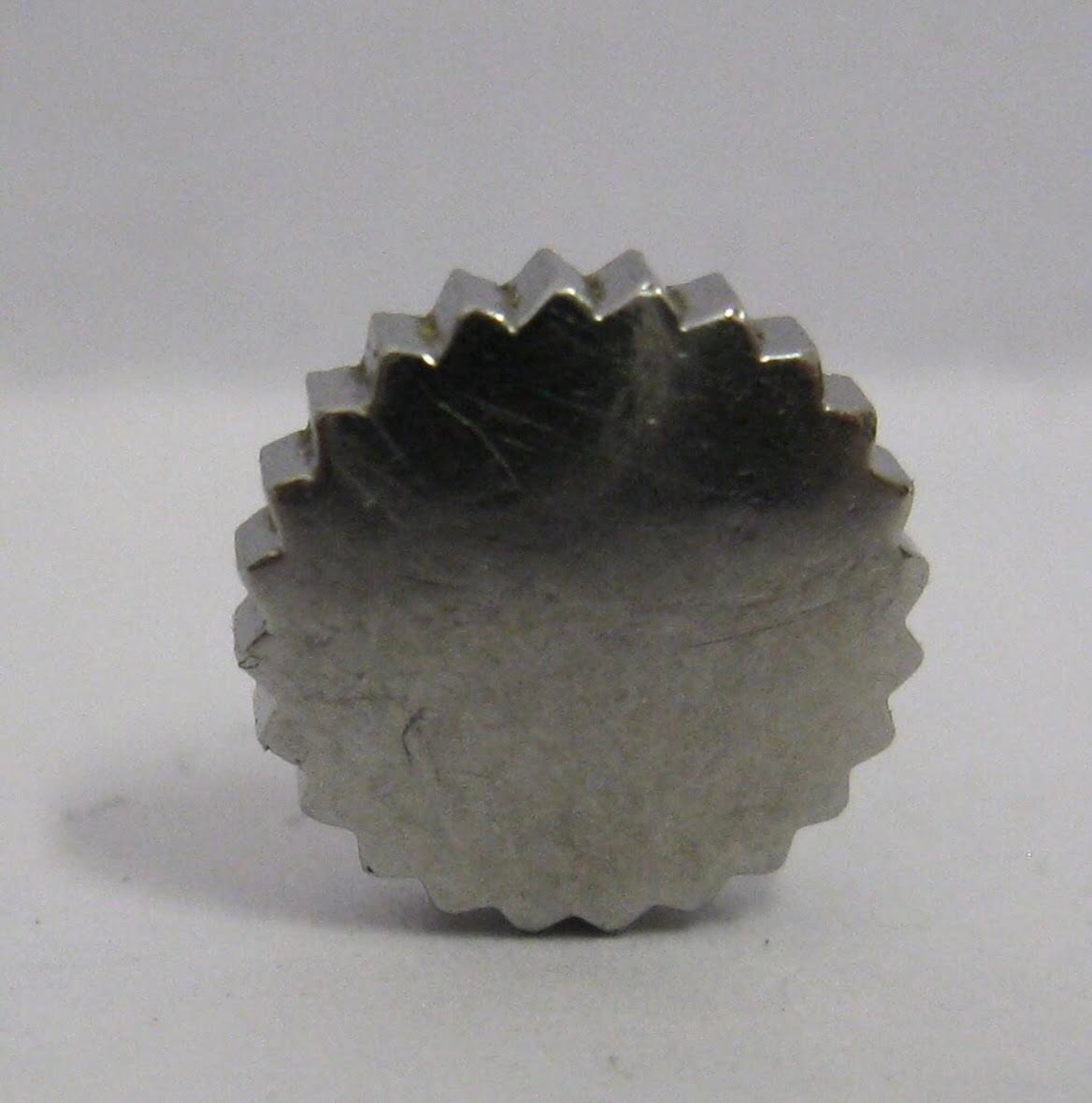
The 4974 also features a unique steel waterproof 7.4mm crown that is thin, and machined with the recognizable 24 tooth design. The mid-case tube is insulated with Cork to prevent water to enter when the crown is set into the winding position. The original crown is also a must when finding a 4974.
Longines 4974 “24 tooth” crown. The crown has a distinctive 24 tooth design and is 7.4mm in diameter. I have observed both solid steel machined crowns, as well as a “capped” crown on original watches.
The “Tre-Tacche” Dials
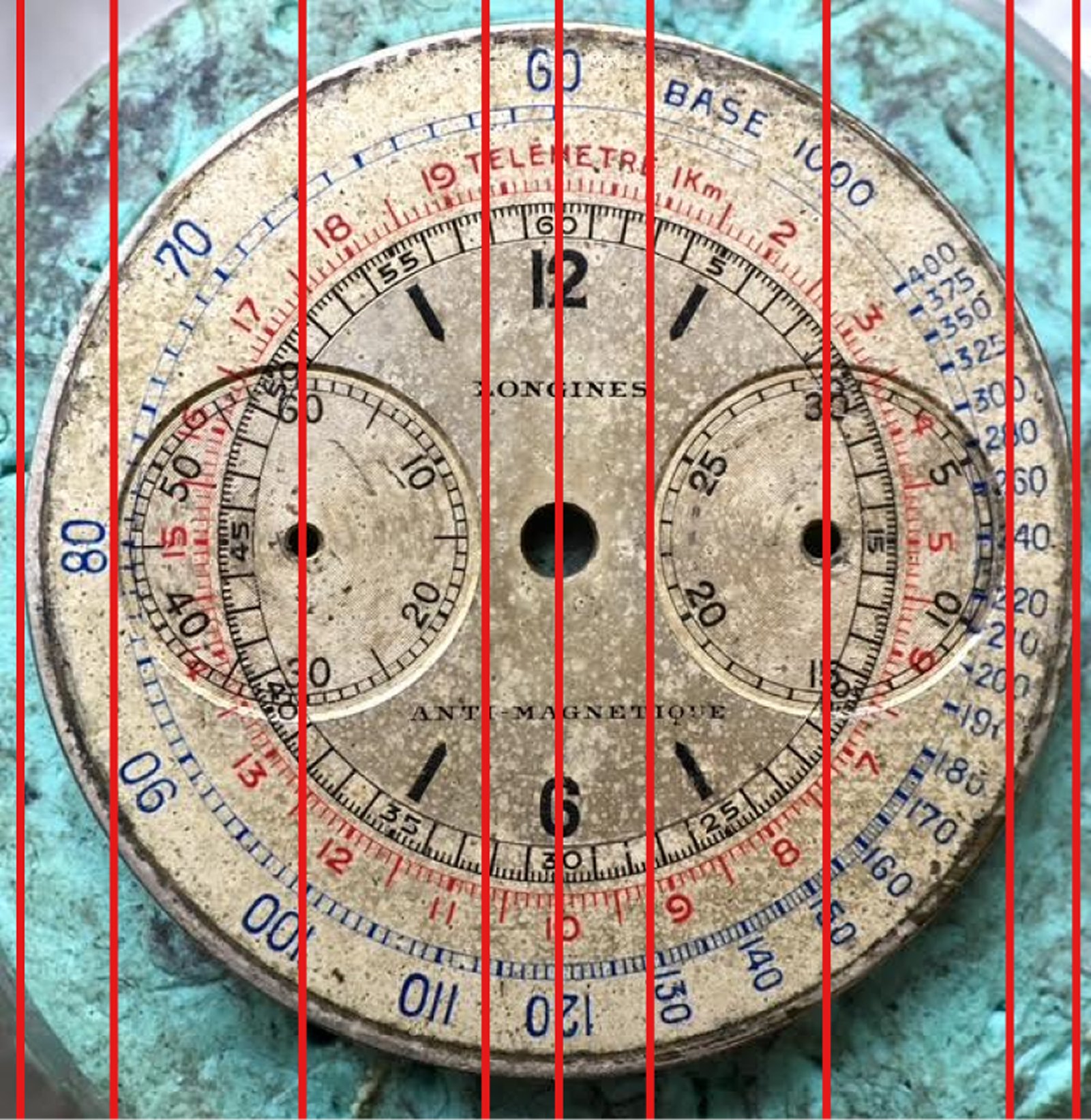
The dial, thought of as the “soul” of a watch, is usually the most important aesthetic consideration in the design of a watch. Dials of the 1930s and 1940s for many are the best dials ever made in terms of quality and design. The Longines 4974 had dials made exclusively by the 2 best dial manufactures of the time, Stern Freres and Fluckiger & Cie, also known as “Zelim Jacot” or “ZJ”. Because almost all chronograph dials of the period were made by a select few companies, there are similarities in fonts, colors, layouts etc. across many brands of watches. Longines dials made by these 2 companies however are by far some of the best iterations of chronograph dials of this period. An often unnoticed detail on 13zn dials is the fact that they are all asymmetrical. There was always something kind of mysterious when I started studying 13zn dials, but I couldn’t put my finger on it. They had an organic, almost hand made quality to them even though they were so well made. It wasn’t until I started archiving and digitizing the dials that I realized that the sub-dial hands are not equally spaced from the center wheel. The left side seconds sub-dial hand is closer to the center of the dial than the minute counter hand on the right side. Once you notice this detail, you can’t unsee it and the subtle asymmetry adds a quality to the dial designs that is unique.
13Zn dials are not symmetrical. The second counter is closer to the center pinion than the minute counter. You can see from the gridding that the sundials / sundial holes are not spaced evenly from center. A small detail that once you see make the dials very unique looking.
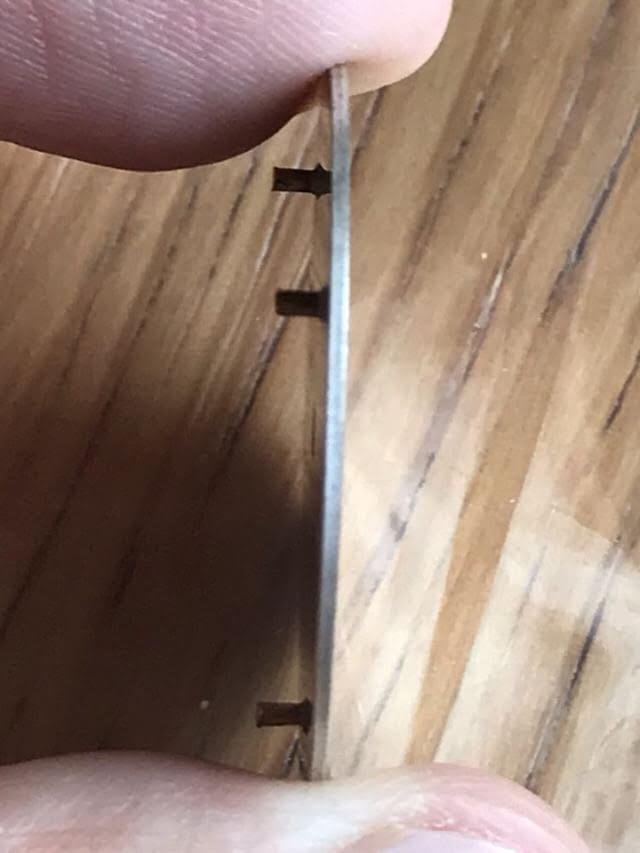
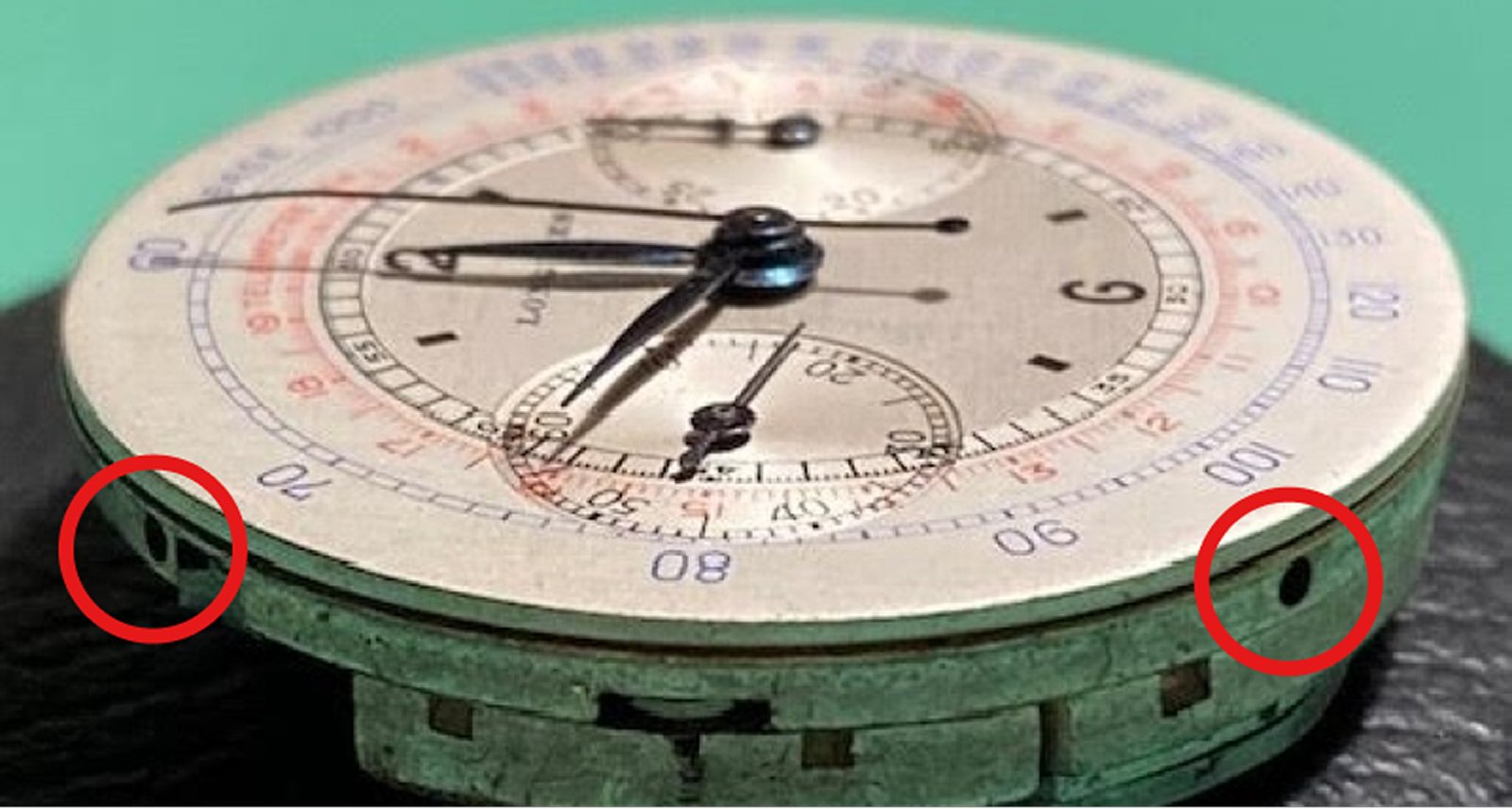
Dials for the 4974 Tre-Tacche are between 28.6mm – 30.5mm in diameter. They vary in exact diameter and are actually recorded that way in the Longines registers. The dial plates themselves are thick, and totally flat across the entire top. Later dials have a thinner plate with a downward curved edge that will not properly fit a 4974 case. A thin plate with curved edge will leave a gap next to the crown and will not sit flush against the rehaut in the case without modification. The movements for the 4974 also have slightly taller hour and minute pinions so that the hands properly clear the dial. When a incorrect movement and dial have been changed into a 4974 case, often we can see that the fit is not correct. 13zn dials have 3 feet on the rear side that fall into the movement plate and are secured by 3 set screws along the side of the movement.
Side view of a Thick / flat plate 13zn dial. This dial is 30.5mm in diameter
Rear view of a 4974 Dial with 3 feet that sit into the movement plate when installed.
Side View of a correct “thick / flat plate for a 4270 that will properly touch the reheat of the inner case and provide a firm fit. The hands are sitting the correct height from the thick plate. The set screw location is indicated in the red squares.
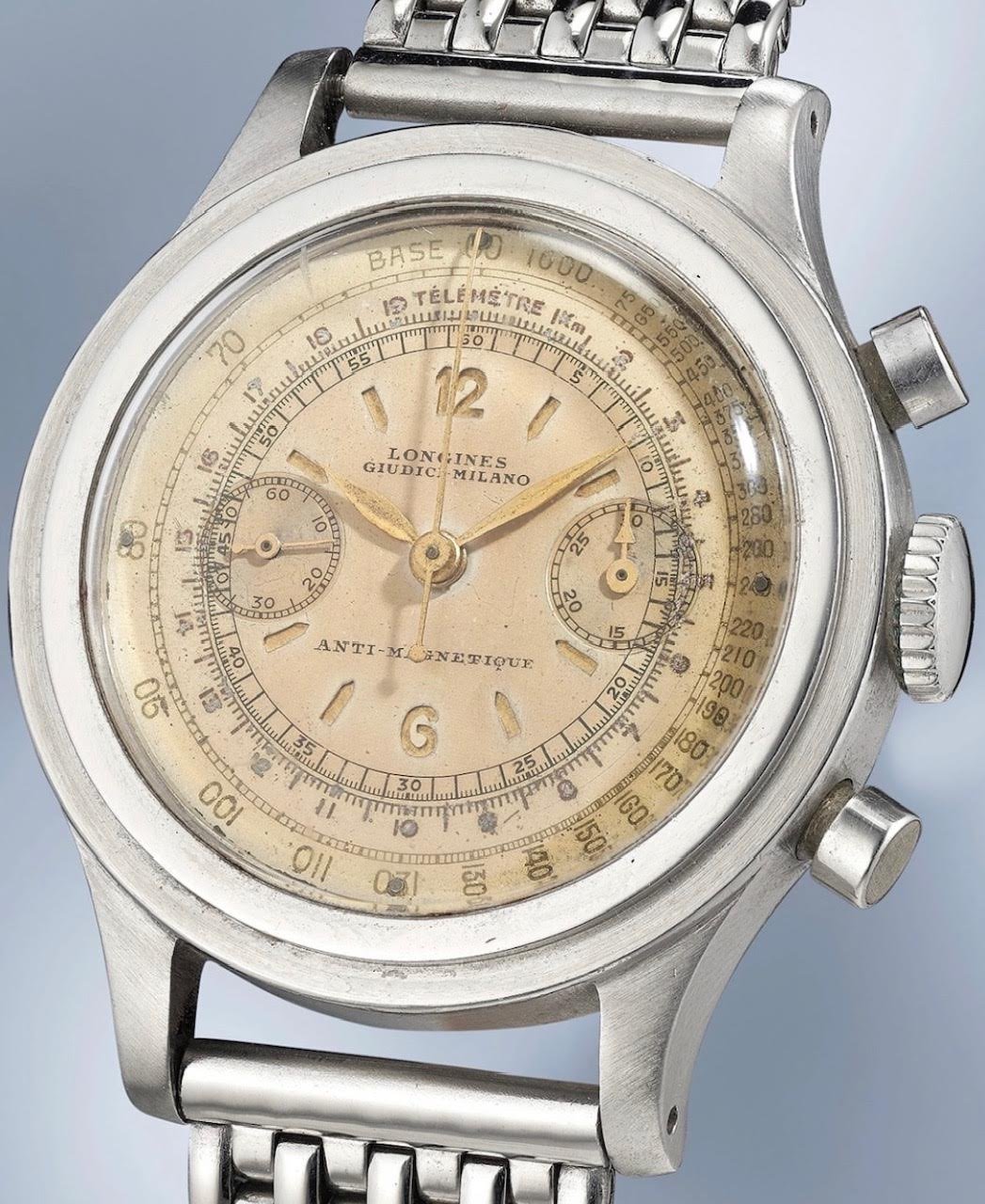
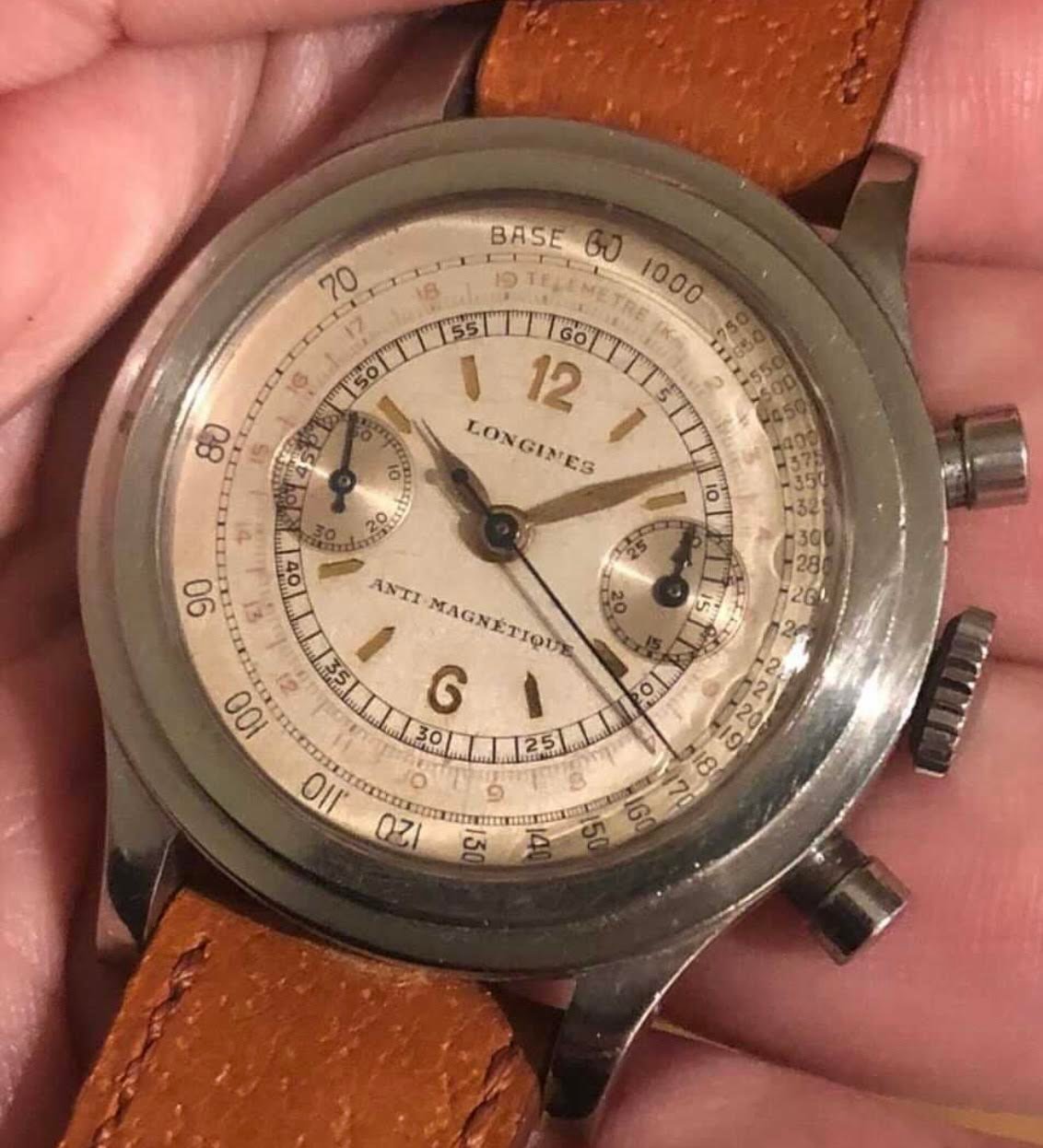
It’s hard not to love the variety of dial designs used within the production of 4974 made between the 2 dial suppliers. We can see large and small sub-dials, single and 2 tone silvered plates , single, double, and triple scale designs, combinations of numeric and spear shaped hour indicators, multiple ink colors, 2 pc sandwich dials made by stern, and the stunning rare black galvanic dials made by both ZJ and Stern offered with and without radium indexes and hands.
While there seems to be endless varieties of 13zn dials, we can actually categorize them by functionality and by maker. Longines used numeric codes to indicate the functionality of a dial. The codes were also logged into the production registers along with a description. I will cover this more shortly.
The dial codes can be divided into 8 types or functionalities as listed below:
90 / 3356 “simple dial” which is hours, seconds and minutes only
91 / 3358 “telemeter”
92 / 3358 “pulsometer”
93 / 3364 “pulsometer” / “asthmometer”
94 / 3367 “tachymeter”
95 / 3367 “tachymeter” – 2 track
96 / 3368 “tachymeter” / “telemeter” with spiral scale
97 / 3929 “tachymeter” / “telemeter
All of these dial functions were executed by both Stern and ZJ. In some instances the same dial layout and functions can be seen from both makers within 4974 production. It is interesting that throughout single order numbers that although the same function of dial is specified, they are executed by different dial makers.
From my research and logs of 4974 watches, I would venture guess that about half of the known examples were likely to have had their dials changed at some point in time, however from study of the registers and untouched examples, we see that indeed, these variations of dial style, color and makers existed throughout the short 3-4 years of production. Below are some examples of the same dial designs excluded by the 2 dial makers.
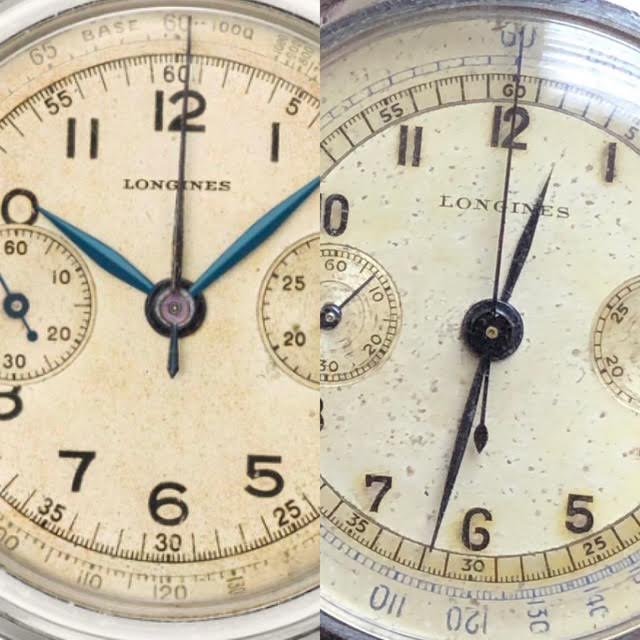
Silver Galvanic type 94 / 3367 tachometer dials executed from “ZJ” on the left and “stern on the right. These are the same dial spec executed by the 2 makers of 4974 dials.
White Silvered type 97 / 3929 with triple scale telemeter and tachymeter scales both with hour indexes at 12 and 6, “antimagnetic” indications. “ZJ” on the left and “Stern” on the right.
White Silvered type 97 / 3929 with triple scale telemeter and tachymeter scales both with full arabic hour indexes. “ZJ” on the left and “Stern” on the right.
Silver Galvanic type 97 / 3929 triple scale tachometer / telemeter dials with full arabic indexes executed from “ZJ” on the left and “stern on the right. These are the same dial spec executed by the 2 makers of 4974 dials.
Silver Galvanic type 94 / 3367 tachometer dials with full arabic indexes with applied rdaium executed from “ZJ” on the left and “stern on the right. These are the same dial spec executed by the 2 makers of 4974 dials.
White Silvered type 94 / 3367 tachometer dials both with full arabic hour indexes. “ZJ” on the left and “Stern” on the right.
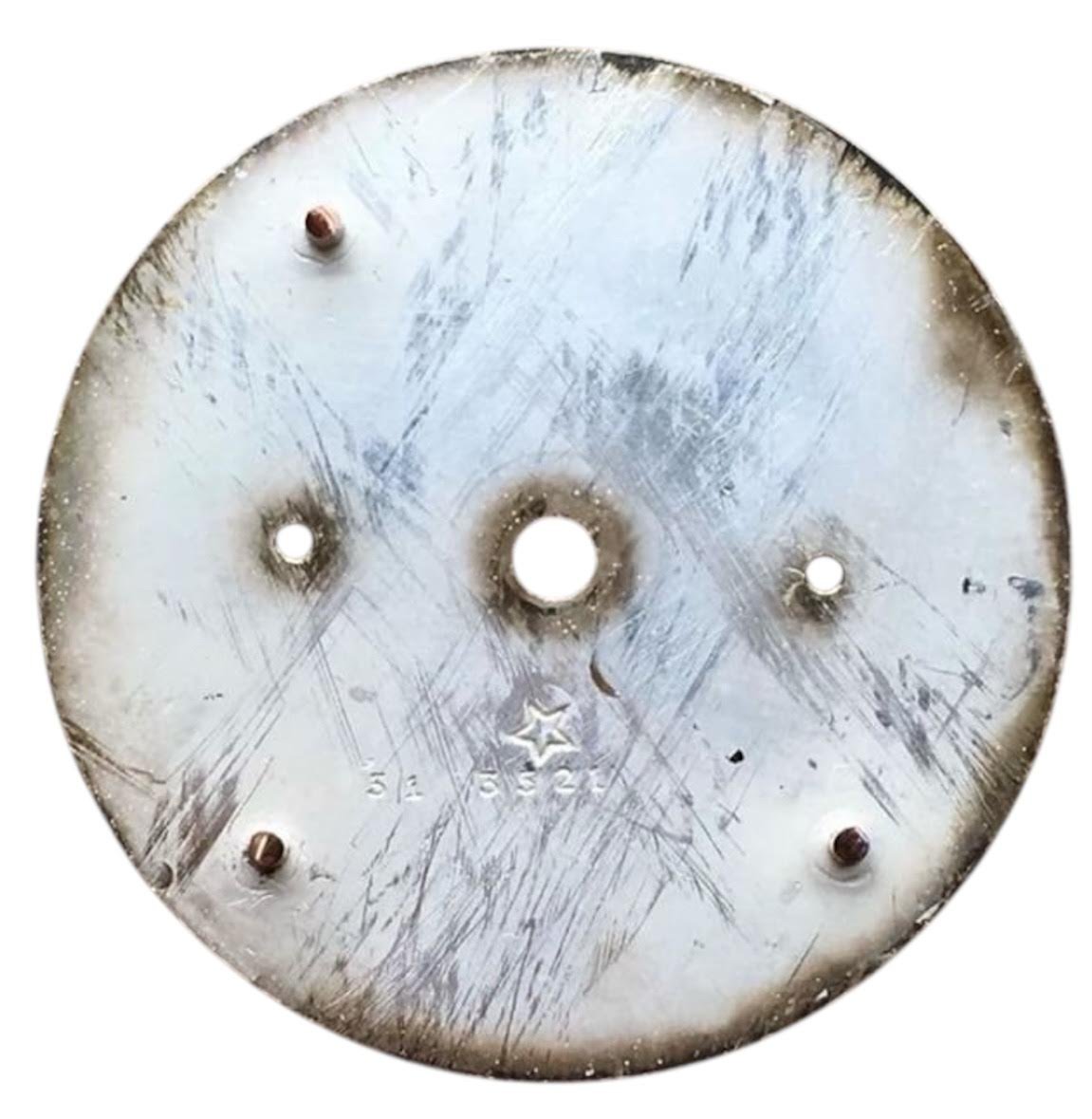
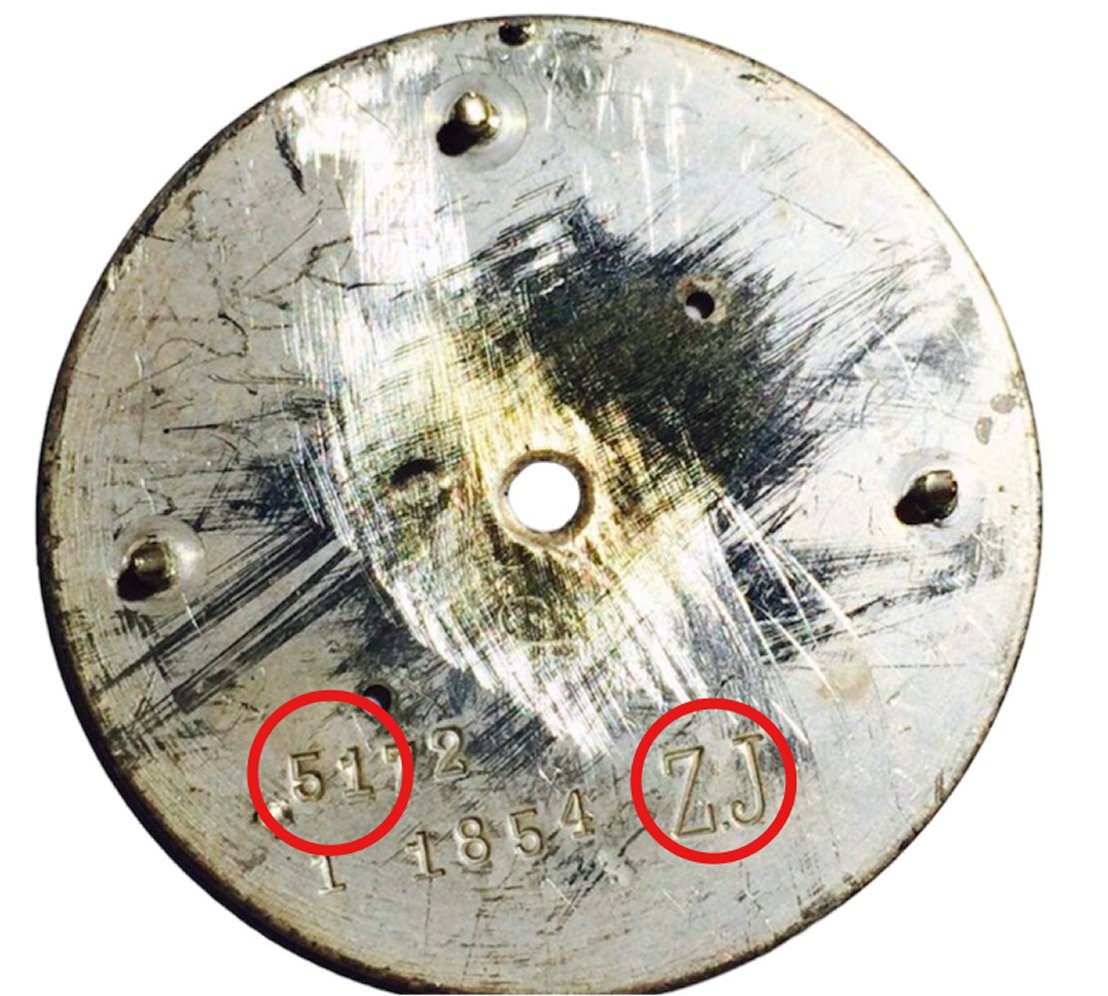
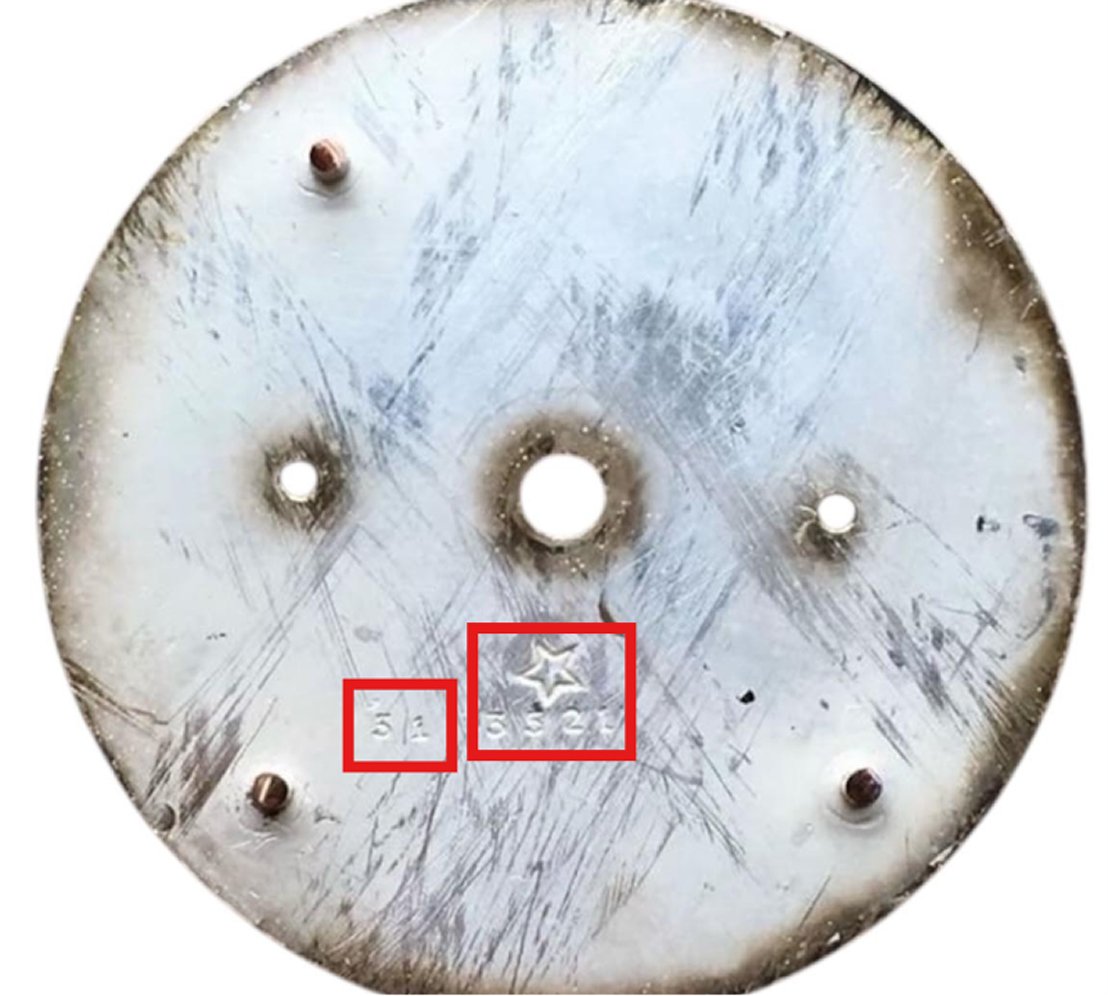
Each dial maker has some signature details that helps identify the maker. If you are able to see the rear of the dials, you can find the maker by seeing the hallmark. A star for stern, or a large “ZJ” for “Zelim Jacot.” Both makers will have the number of either 51 or 71 stamped near the hallmark. These are Longines customer codes. There will also be some numbers stamped that relate to the production of the dial.The dial plates for a 4974 are thick and flat with 3 feet to connect it to the movement.
Rear image of a Fluckiger & Cie (ZJ) dial with the typical “ZJ” hallmark as well as a “51” customer code indicating “LONGINES”.
Rear image of a Stern Freres dial with the typical “star” hallmark as well as a “51” customer code indicating “LONGINES”.
If the rear of the dial is not visible, there are few details that are easy to identify within the designs between the 2 makers. There are variations of the Longines logo itself, but consistently the “ZJ” Longines logo has 2 distinct “pointy “N”s. The bottom of both “N”s come to a sharp point. The Stern Longines logo has more variations, but is often seen with one flat and one pointy “N”. After a little bit of study, it is easy to spot these characteristics between the 2 dial maker signature details of the Longines Logo.
The top Logo is indicative of the more common variations of “Stern” made logo which has more flat serifs at the lower stroke of “N” as well as a more pronounced “S” with the top portion of the serif more. The bottom Logo is indicative “ZJ” logo which has pointed Serifs serifs at the lower stroke of “N” as well as a softer“S
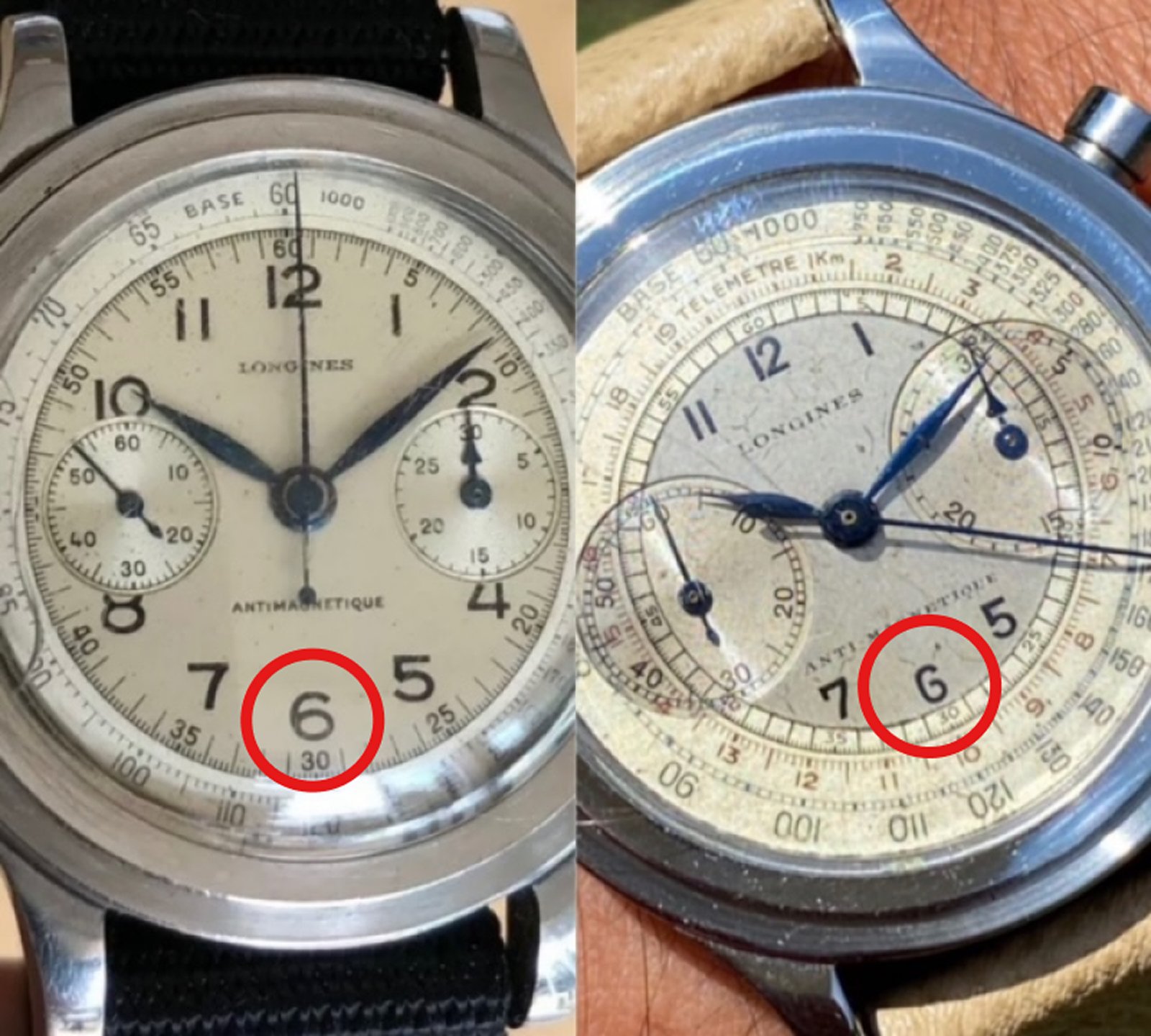
Stern dials used in 4974 cases use an “open 6” design on the hour markers. The loop of the 6 is not closed, while ZJ uses “closed 6” hour indicators. Only Stern used a red ink color on 4974 dials, most often on triple scale designs.
The “ZJ” made type 94 / 3367 arabic dial on the left has the “double pointed N” signature as well as a “closed 6” design. The style 97 / 3939 triple scale arabic dial on the right made by Stern has the typical “open 6” design as well as a scale in.
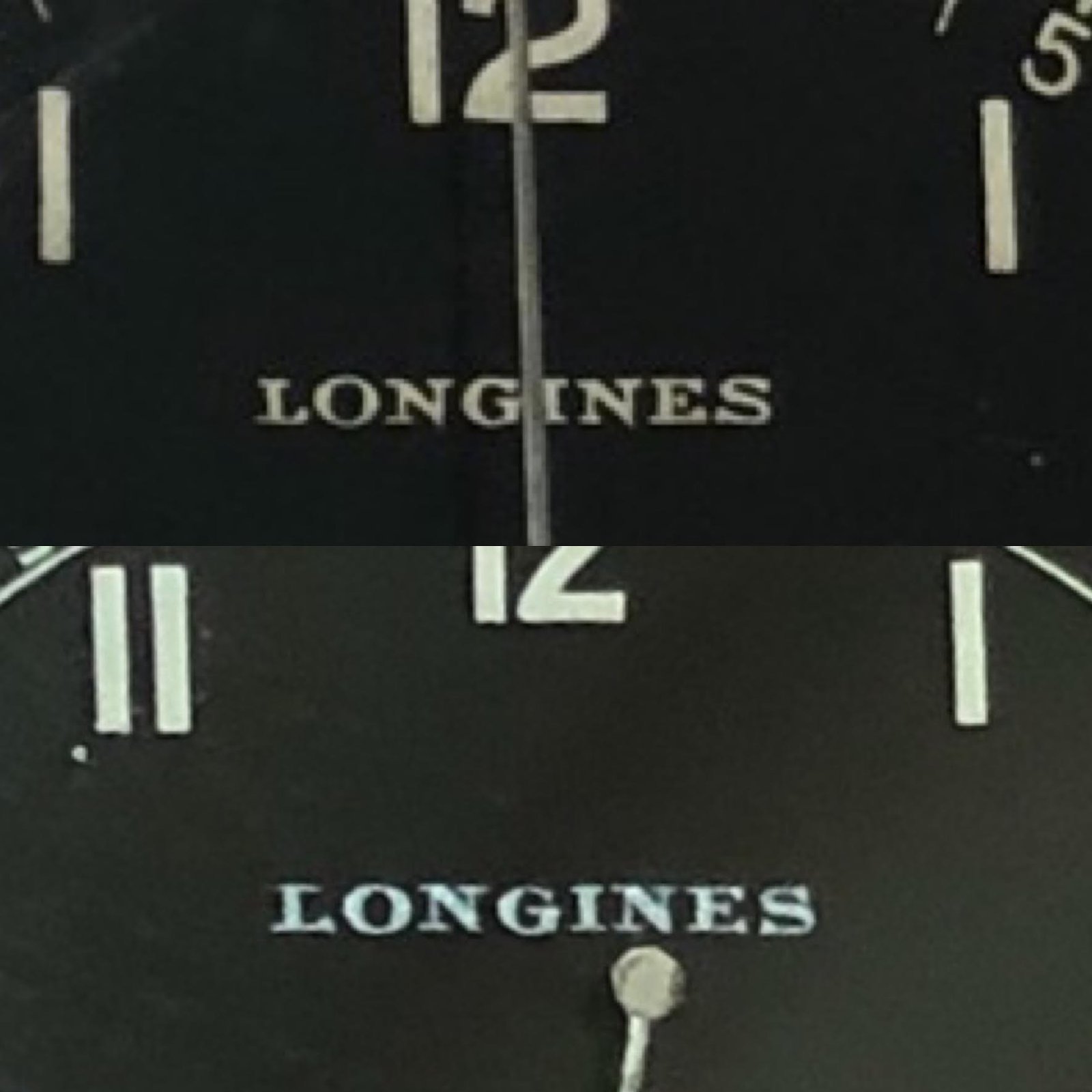
The very rare and coveted Black galvanic dials, the dial makers also have their own unique details. Black galvanic or “gilt” dials were created using a type of black electroplating over a silvered or gold base color applied to the base plate. The scales were printed with a blocking agent on top of the gold or silver colored plates in order to stop those sections of the plate from turning black during the galvanization. Once the galvanization is done, the blocking agent is removed leaving the original metallic base color of the plate exposed. The result is text that reflects light and is slightly recessed below the black layer. The main difference between the 2 dial makers is in the finishing . The ZJ dials are created with the entire design, including the Longines logo, to be done all together in a single step, printed galvanically. Once done, the dial is lacquered. Stern however prints the Longines logo in ink after the dial is galvanized black and lacquer is applied on top of the scales. The stern dial Logos have amore matte appearance, and don’t reflect light the same way as the rest of the dial.
The top Logo is indicative of the “ZJ” dials in which the Longines logo is executed in a single operation along with the galvanic scales. The varnish is applied on top of the entire dial. These logos appear to have more shine, matching the sheen of the rest of the dial. The bottom Logo is indicative of the more common variations of “Stern” made logo which on galvanic dials is printed in metallic ink on top of the varnish in a separate operation from the galvanic scales. These logos appear more matte than the rest of the printing.
Stern is also the maker of the “sandwich” dial which is made from 2 metal plates joined together with a recess in the shapes the hour indexes. This style of dial is one of my favorite types to look at. The depth and complexity of the dials are among Sterns Finest dials in my opinion.
White Silvered type 97 / 3929 with triple scale telemeter and tachymeter scales executed by Stern as a 2 pc “sandwich dial. Retailer signed.
White Silvered type 97 / 3929 with triple scale telemeter and tachymeter scales executed by Stern as a 2 pc “sandwich dial.
White Silvered type 96 / 3368 with triple scale telemeter and tachymeter spiral scale executed by Stern as a 2 pc “sandwich dial.
White Silvered type 96 / 3368 with triple scale telemeter and tachymeter spiral scale with full arabic hour indexes and a red telemeter scale executed by Stern.
A remarkable White Silvered 94 / 3367 tachometer dial with radium hands and indexes and a “fab suisse” print indicting a shipment to France. Executed by “ZJ”
White Silvered type 95 / 3368 with triple scale pulsometer and tachymeter spiral scale with full arabic hour indexes executed by Stern.
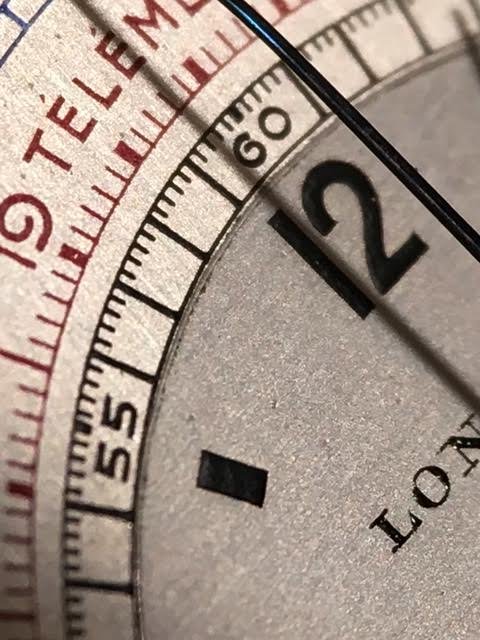
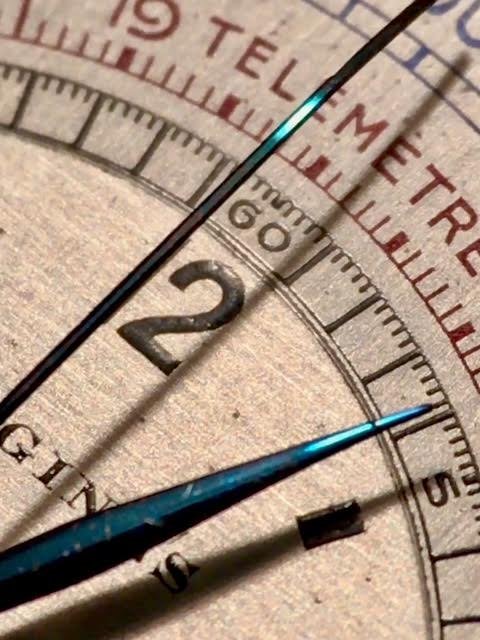
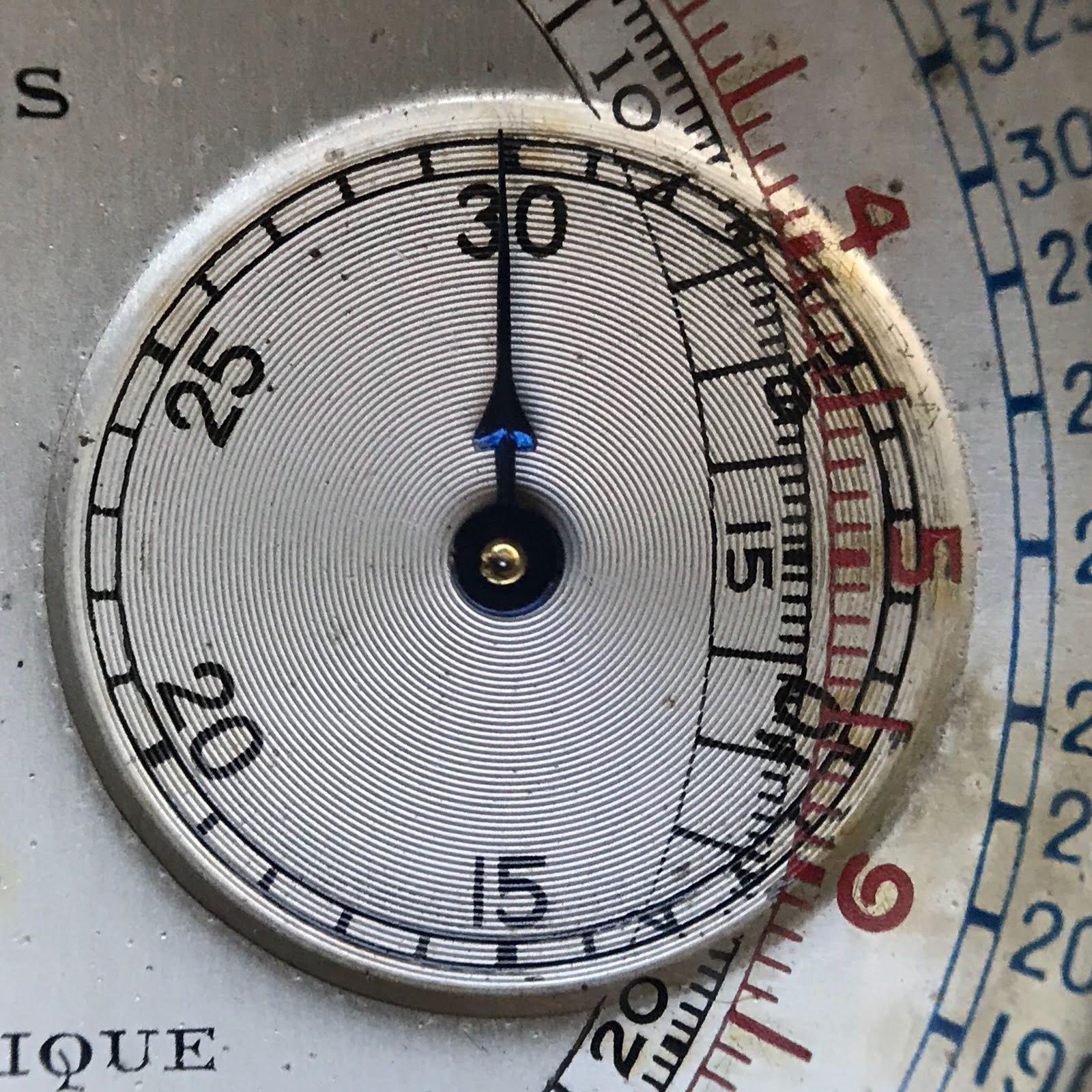
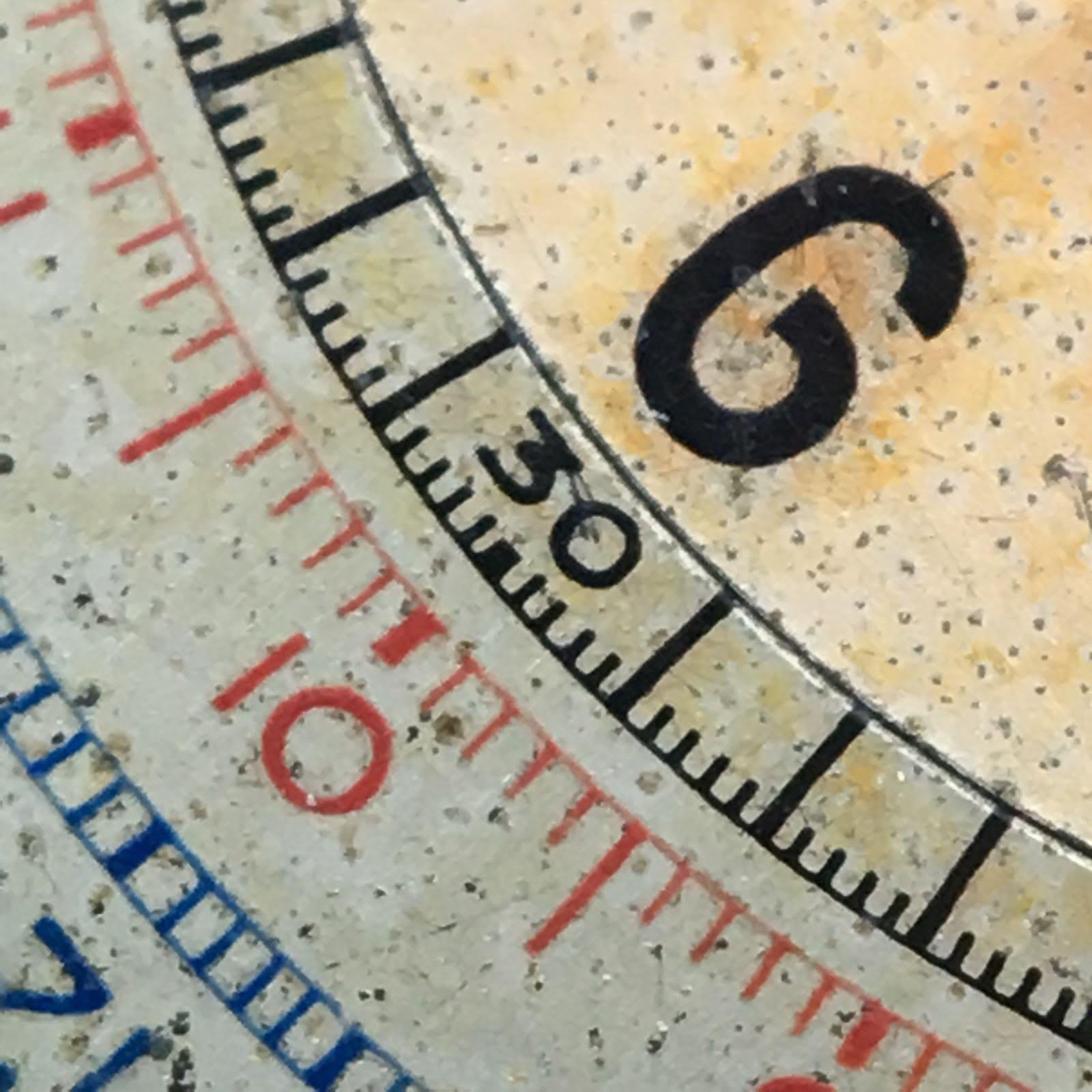
For me, the most iconic 4974 dial made was the Stern Freres “Anti-magnetic” dial. The design features a background of 2 toned silvering. the center of the dial with horizontal brushing, and the outside edge of the dial with brushing in a vertical direction. The effect is quite stunning. while looking at this straight on, the dial appears to be uniform, but when turned in the light creates a beautiful 2 tone effect. The 2 sections of silvering are separated by a hand engraved line around the center of the dial. This small detail visible with a loupe creates a bold separation of textures and is unique to Longines chronograph dials made by Stern. .The dial has large sub-dials, and is finished with 3 numeric scales using 3 colors of ink. The outer tachymeter scale in blue, the inner telemetre scale in red, and the minute, hour and seconds scales as well as the sub dial scales in black. The Longines Logo, anti-magnetic text and hour markers executed in a subtly raised black enamel. The printing of these scales is done on top of the lacquer applied over the silvered base, so while the silver base reflects light, the text is more matte and contrasts well. This dial exemplifies exceptional design and craftsmanship and is most associated with the Tre-Tacche 13zn.
A factory original configuration 4974 delivered to Italy in 1942 with the iconic White 2 tone brushed and Silvered type 97 / 3929 dial with triple scale telemeter in red and tachymeter scale in blue, with black enamel hour indexes at 12 and 6, “antimagnetic” indications executed by “Stern”. This example also retains the Original “blued” leaf hands, The correct seconds counter and minute counter subdial hands, as well as the original center sweep with
My favorite details of these dials include the two-tone / bi-directional brushing a silvering that give the dial a 2- tone effect when turned. In the following images You can see the vertical brushing onto outer edge of the dial, the horizontal brushing at the center of the dial that are executed in 2 slightly different silver tones. Under The inner side of the seconds scale, there is a hand engraved channel that separates the direction of brushing. This detail is unique and special to Longines Stern dials.
Detail showing the hand engraved channel between the 2 tone silvering. Note that in this image the center of the dial looks darker. This change is from how light reflect off of the brushed surfaces in opposite direction.
Detail showing the hand engraved channel between the 2 tone silvering. Note that in this image the center of the dial looks lighter. Also note the raised black enamel on the hour indexes.
Detail showing the fine machining of the concentric circular pattern.
Detail showing lovely patina where the 2 tones of silver have aged differently emphasizing the tone effect further.
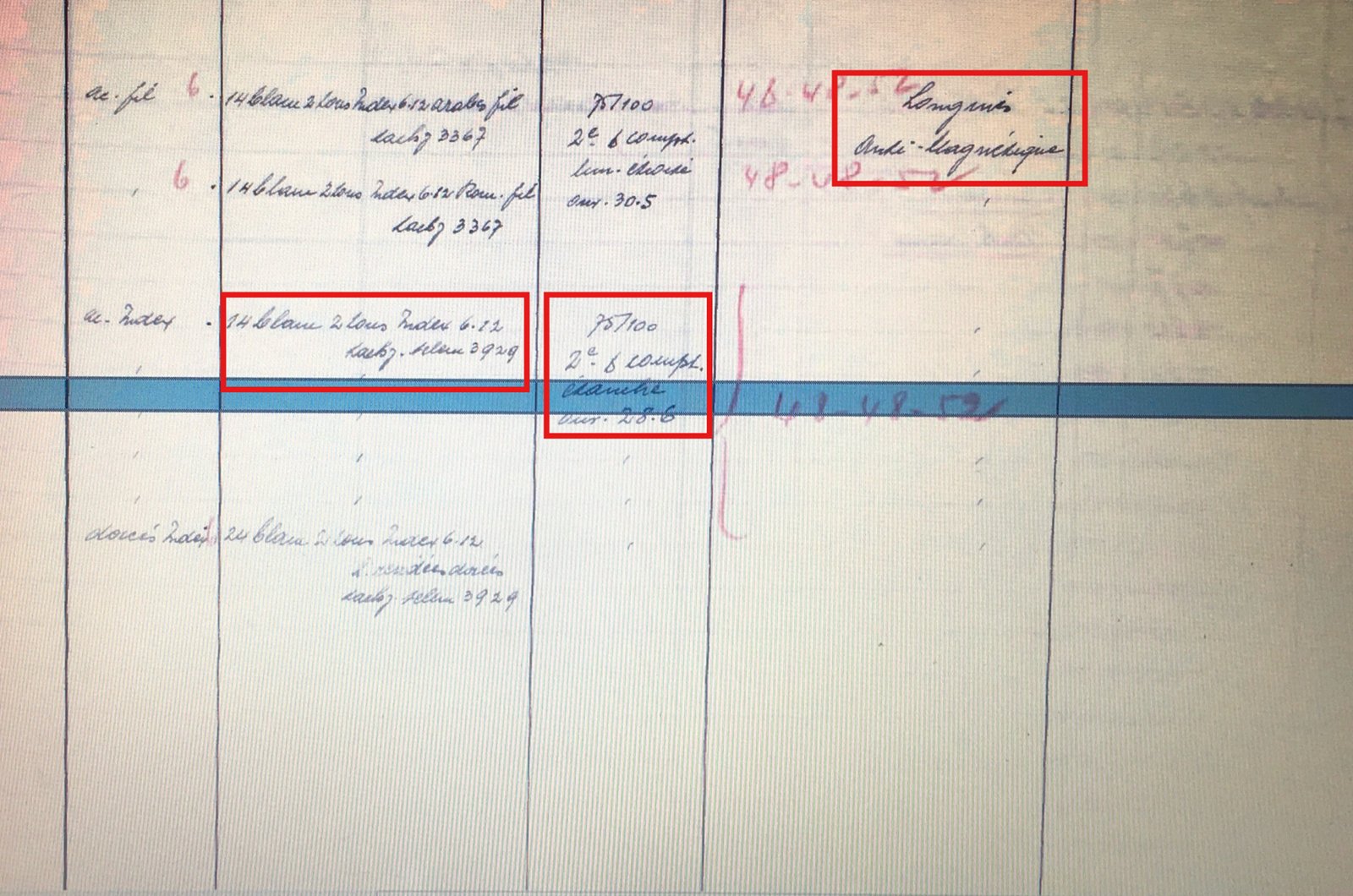
In order to tie all of these dial details together, I will now show how the dial codes, descriptions, and the cross referencing of both production registers by Longines is used to confirm if the dial is original to the case. The Heritage team at Longines can reference the registers and see what dial was placed into the each unique case. The dial register is a separate record log outside of the main production register, and needs to be cross referenced. This set of dial registers is known as the “2nd register”. The records in the dial register are often very hard to decipher, and not as consistent as the information provided in the main production register. Longines does not normally share the information in detail from the registers, however during a visit I was able to capture images of the records for one of my watches.
The blue Bar represents my serial number that the dial records are linked to which is cut off in the image. In the first red box we see a description – “white , hour index at 12 and 6, tachometer / telemeter in style 3929.” In other entries sometimes we also see information about the color of the scales- red or Blue, which would also be able to tell you in most cases which dial maker made the dial entered. In this case no track color is mentioned.
In the second red box we see the diameter of 28.6 listed.
In the last red box in the right column we see written “Longines and Anti-magnetic”. In this case you can see that there are some small “batches” of similar dials / configurations produced within sequential serial numbers. Within my watches “batch”, there are 6 watches all in the same configuration within the serial number sequence. The black arrow shows the 6 lines that represent 6 individual watches. The number of six is also significant because we often see batches of six, as the storage boxes used during production had six slots. When a hash mark is used in each row, or no information is listed in each line, It usually means that the last information above carries down until new information is entered.
In Conclusion…
In closing, the 4974 13zn “Tre Tacche” is truly an example of a watch where all the components together make it an iconic watch. I Hope you find all of these details as fascinating as I do. These watches are truly a cult favorite, and under-appreciated in the larger collectors space.
I hope this article will spark some new interest and passion for these special and rare watches. and helped to shed some light on the 13zn Tre-Tacche. If you have any comments, feedback, or questions, I welcome the dialog. There is always information to be learned and shared. I can be reached through instagram. @oldblackmachines.
Acknowledgements and thanks: Longines heritage dept, Auro Montanari, George Pakkos, Adonya Ourshalimian, Tanguy, Eitan.