Reference 5161 with Order 23297
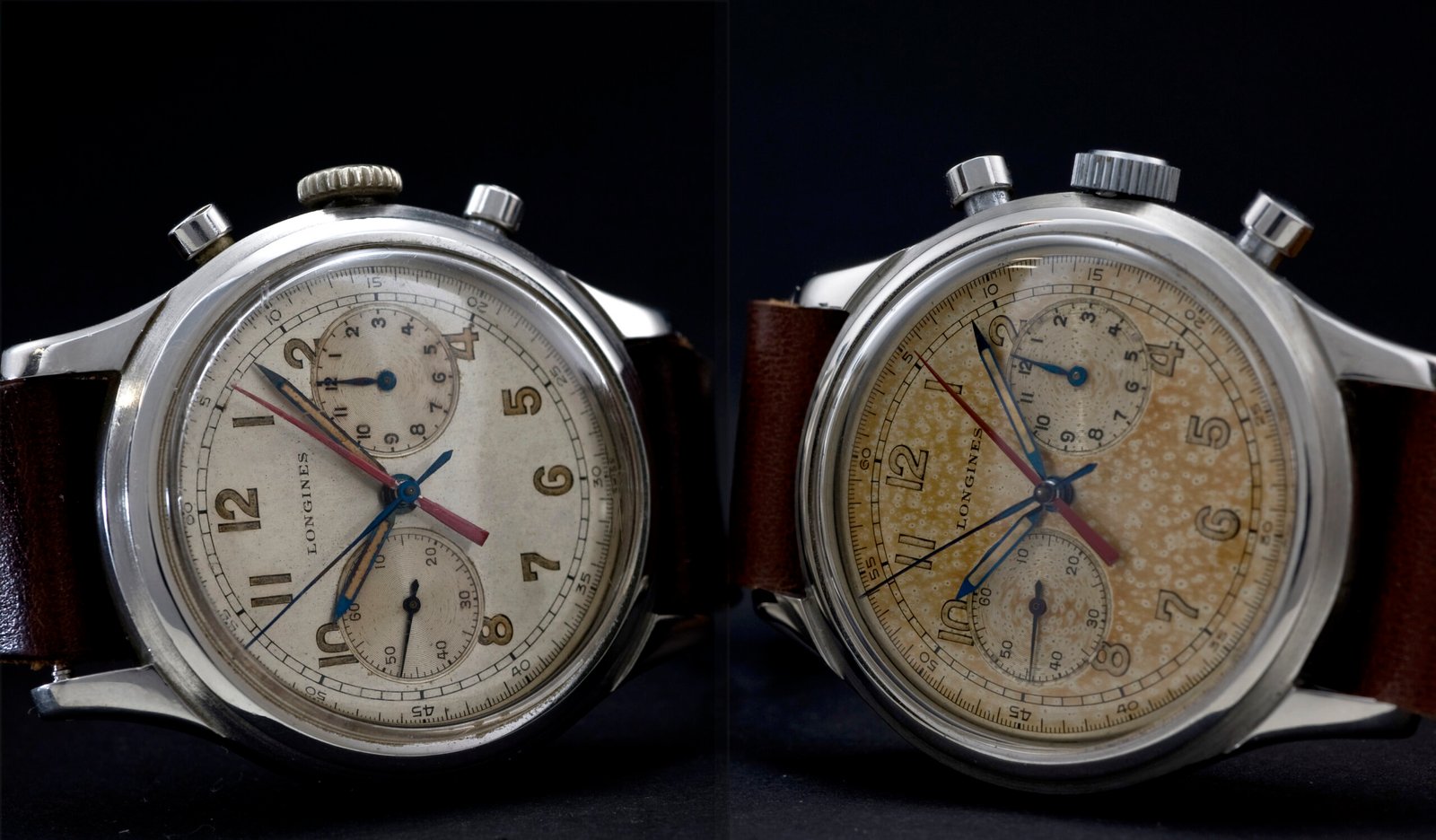
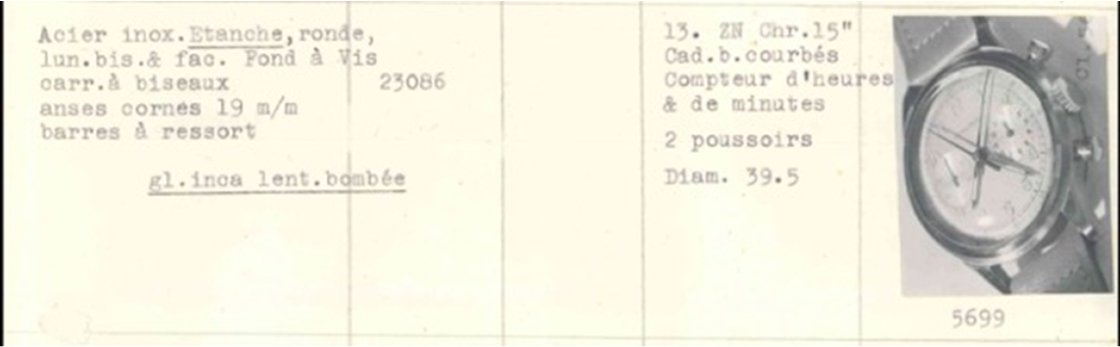
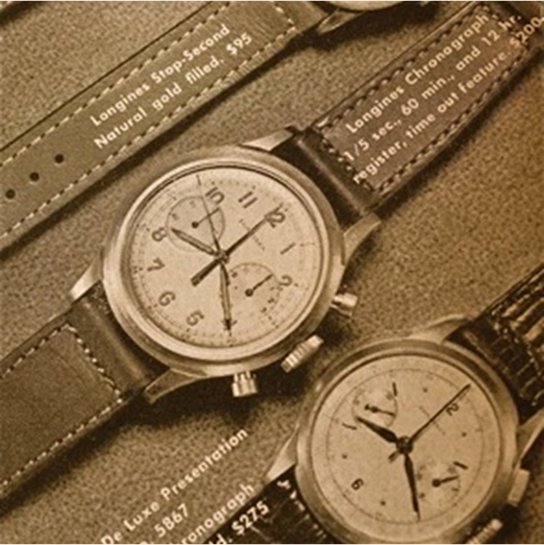
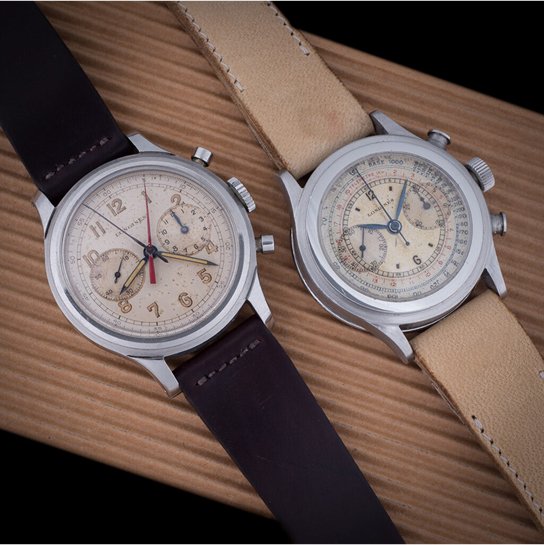
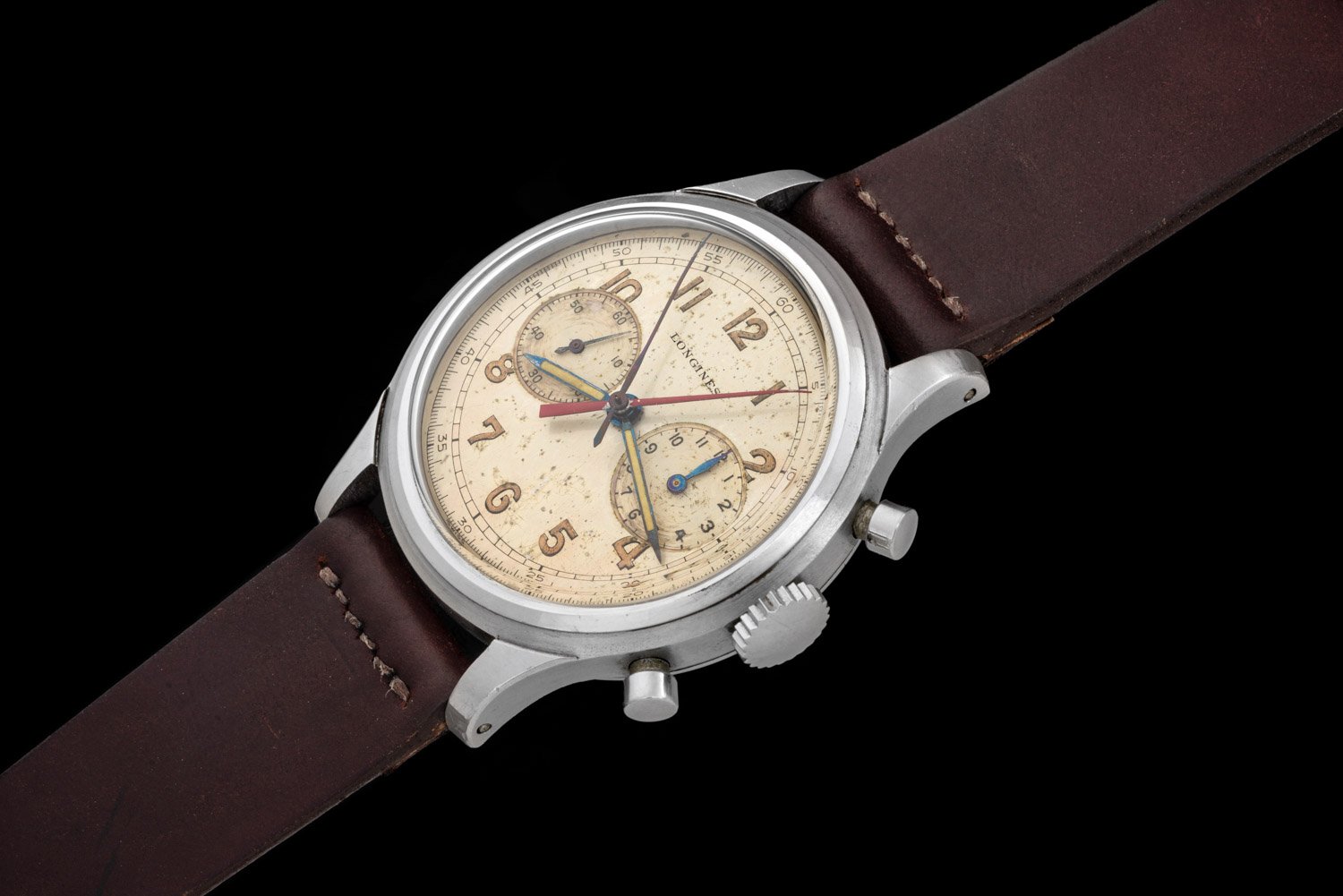
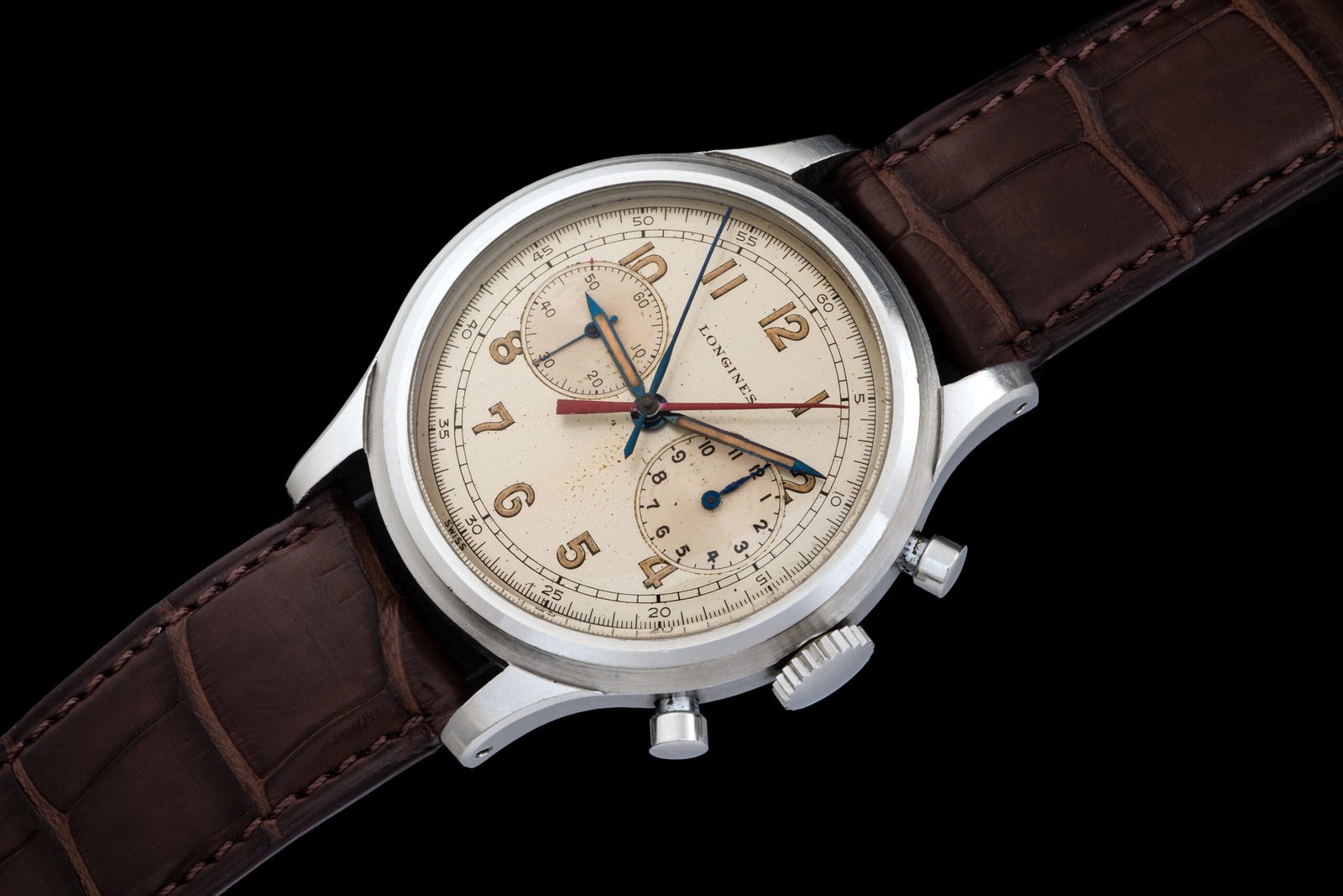
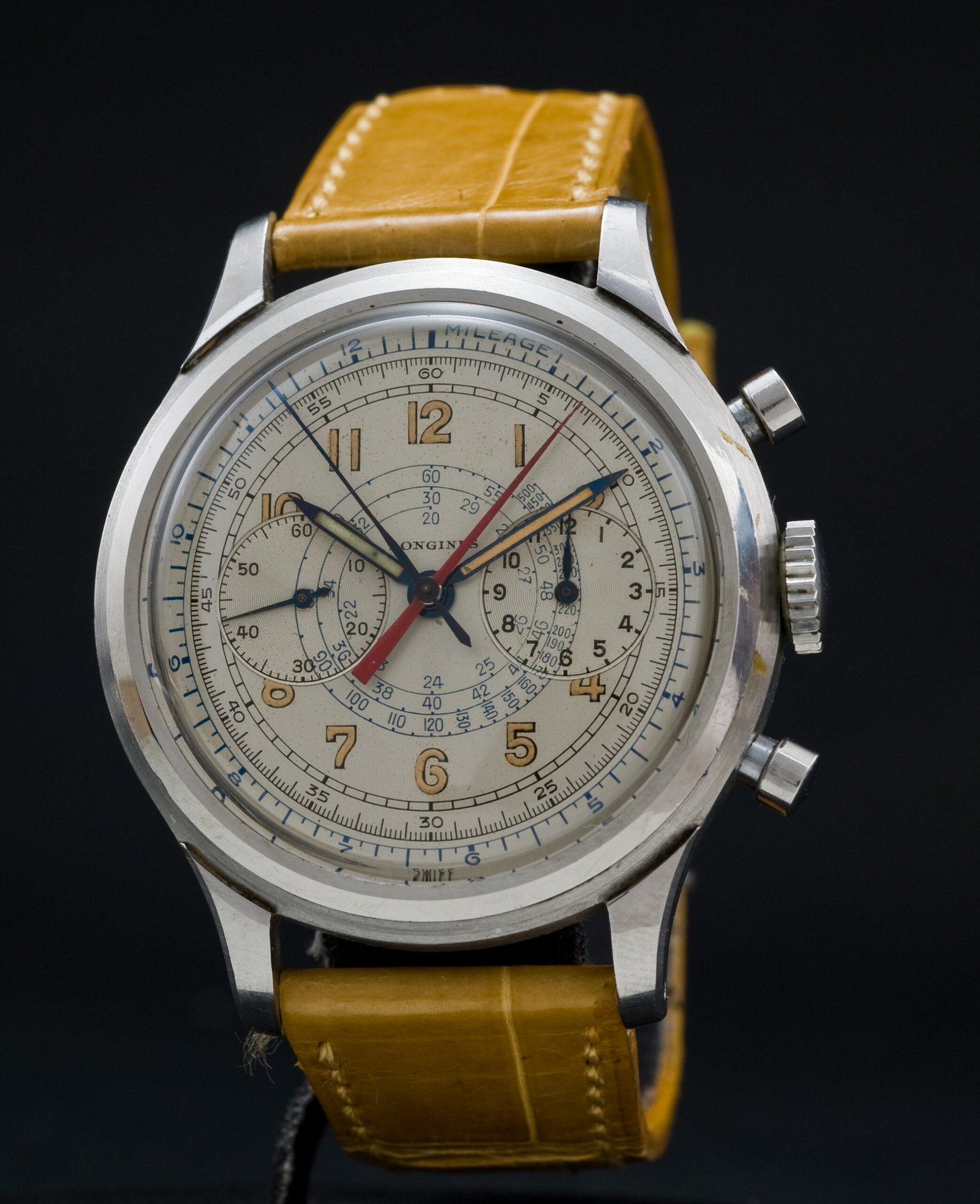
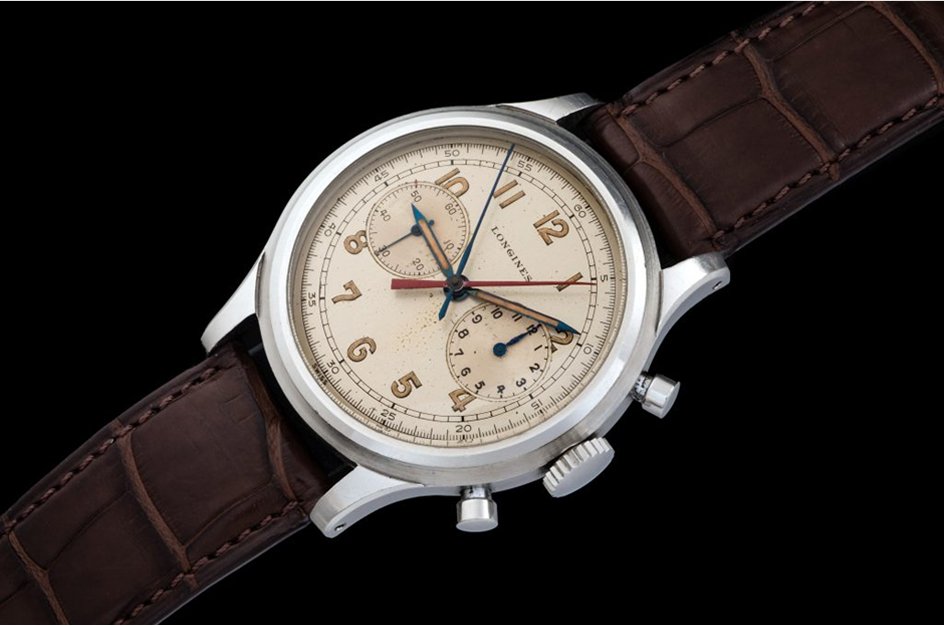
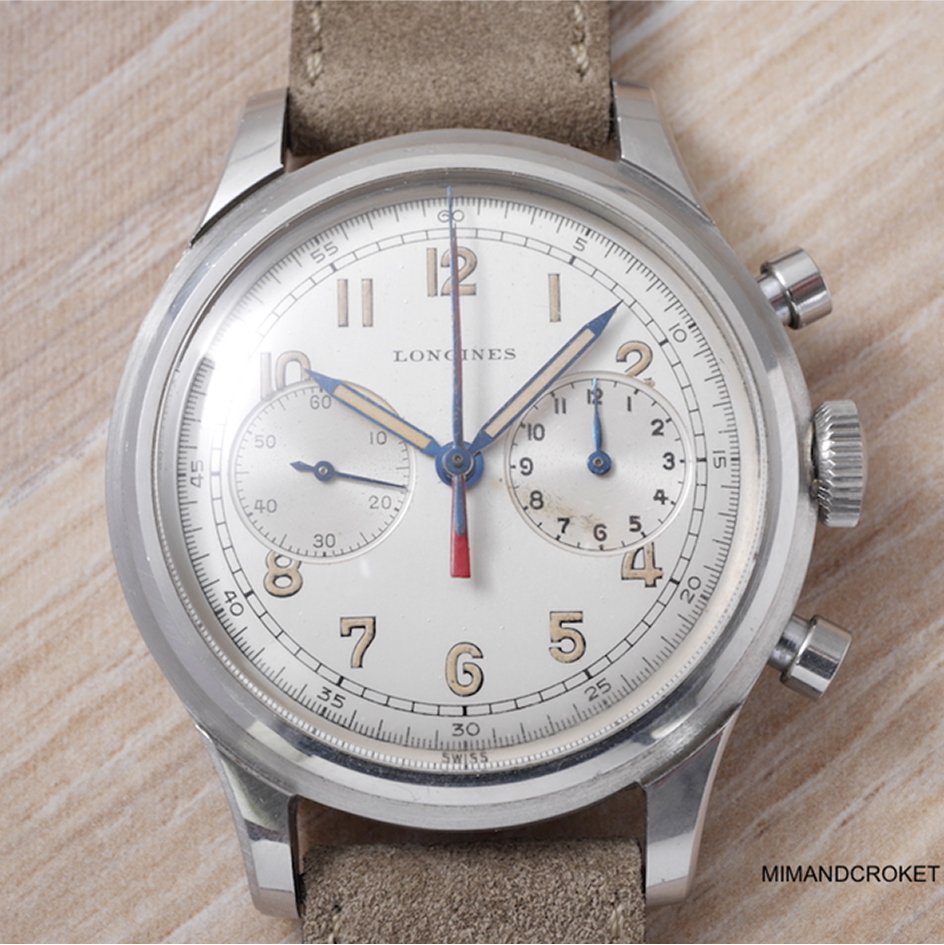
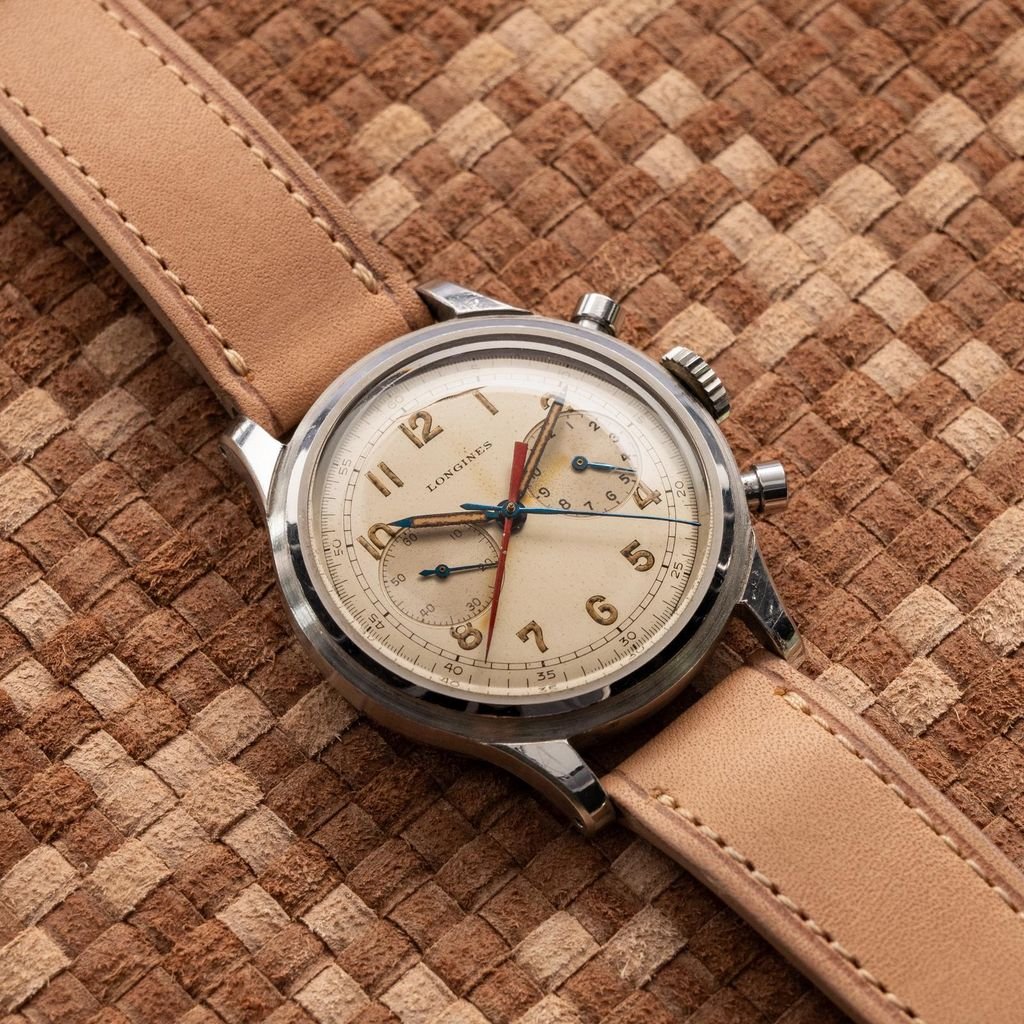
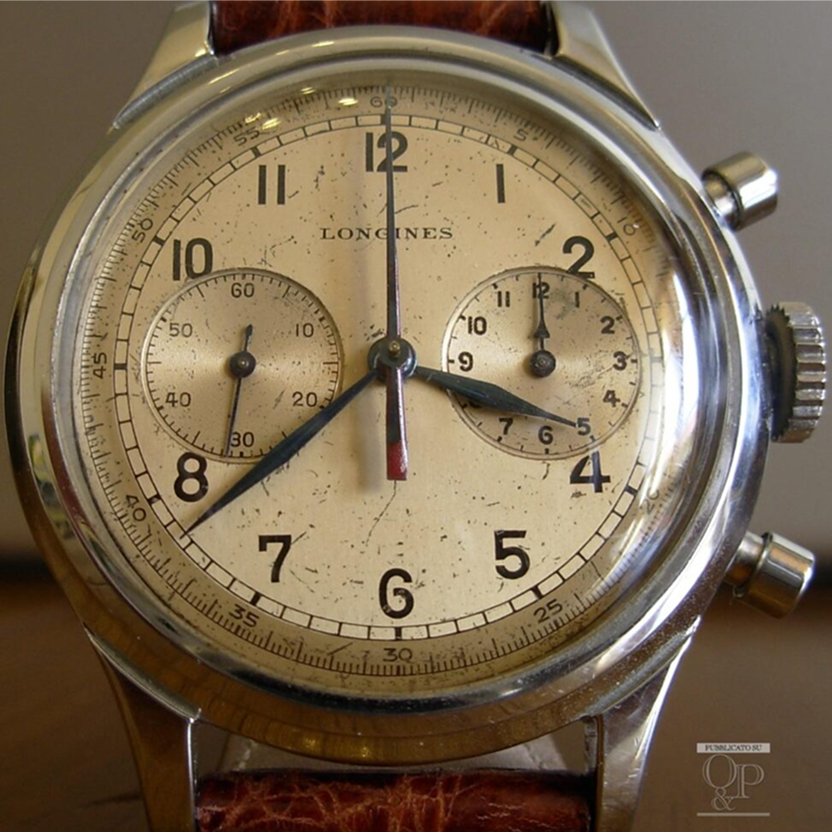
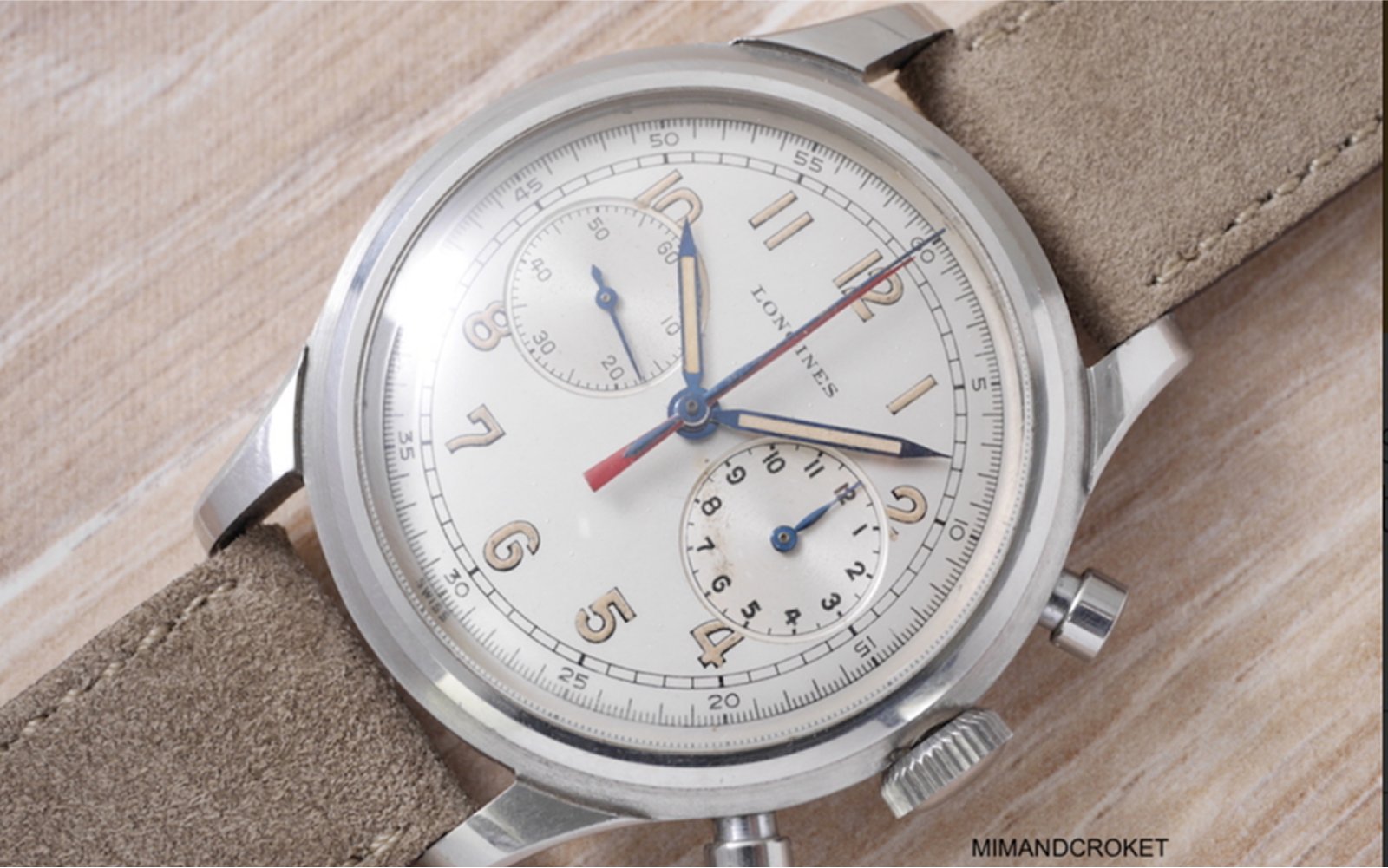
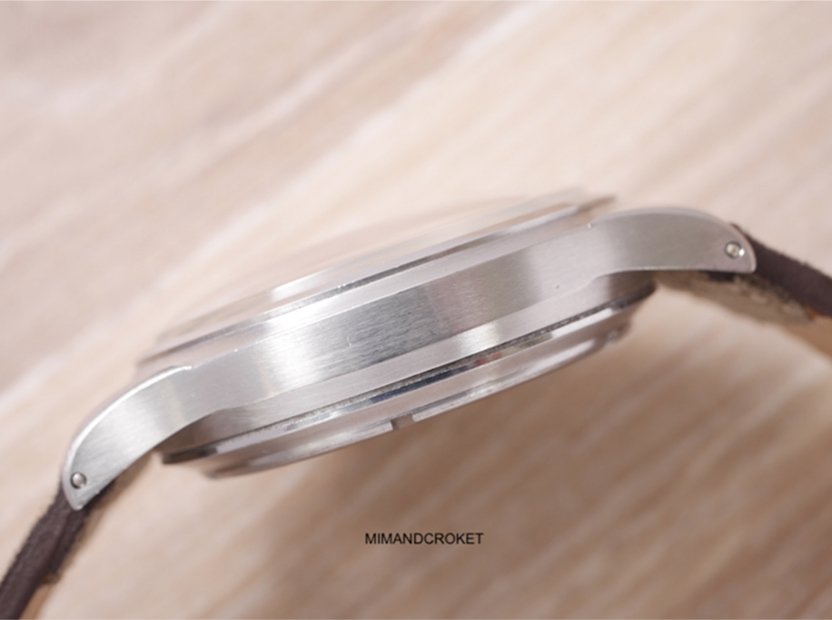
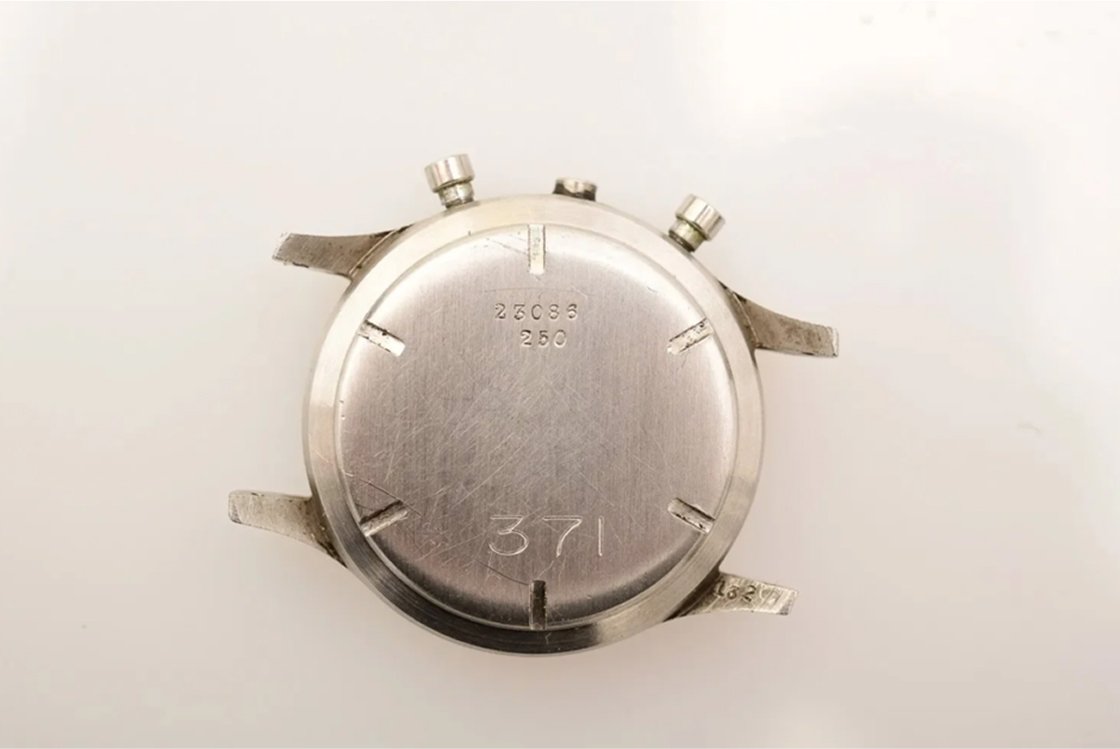
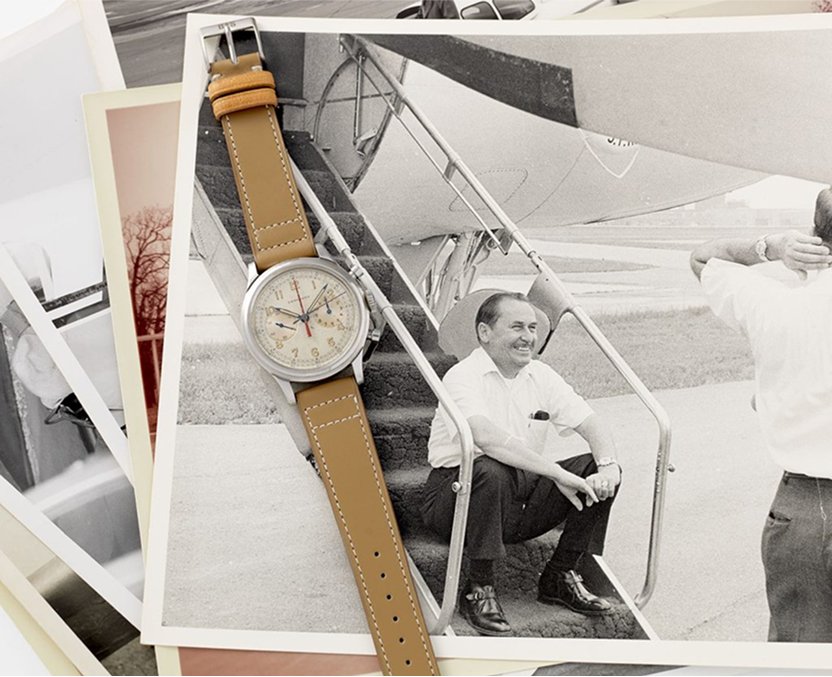
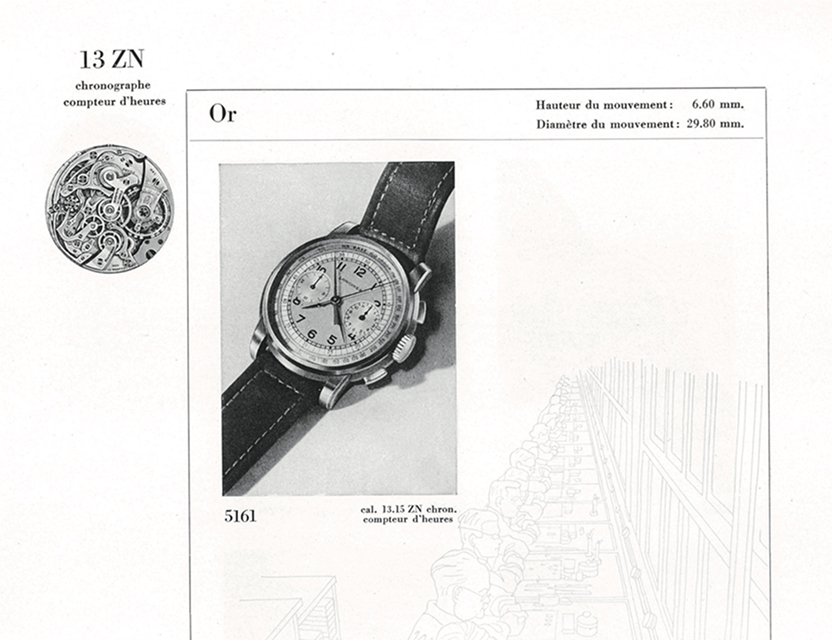
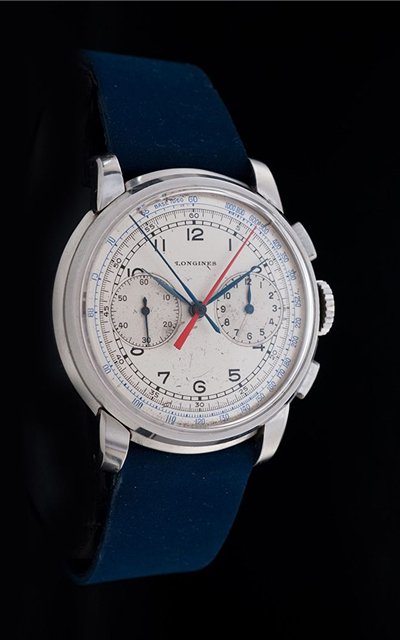
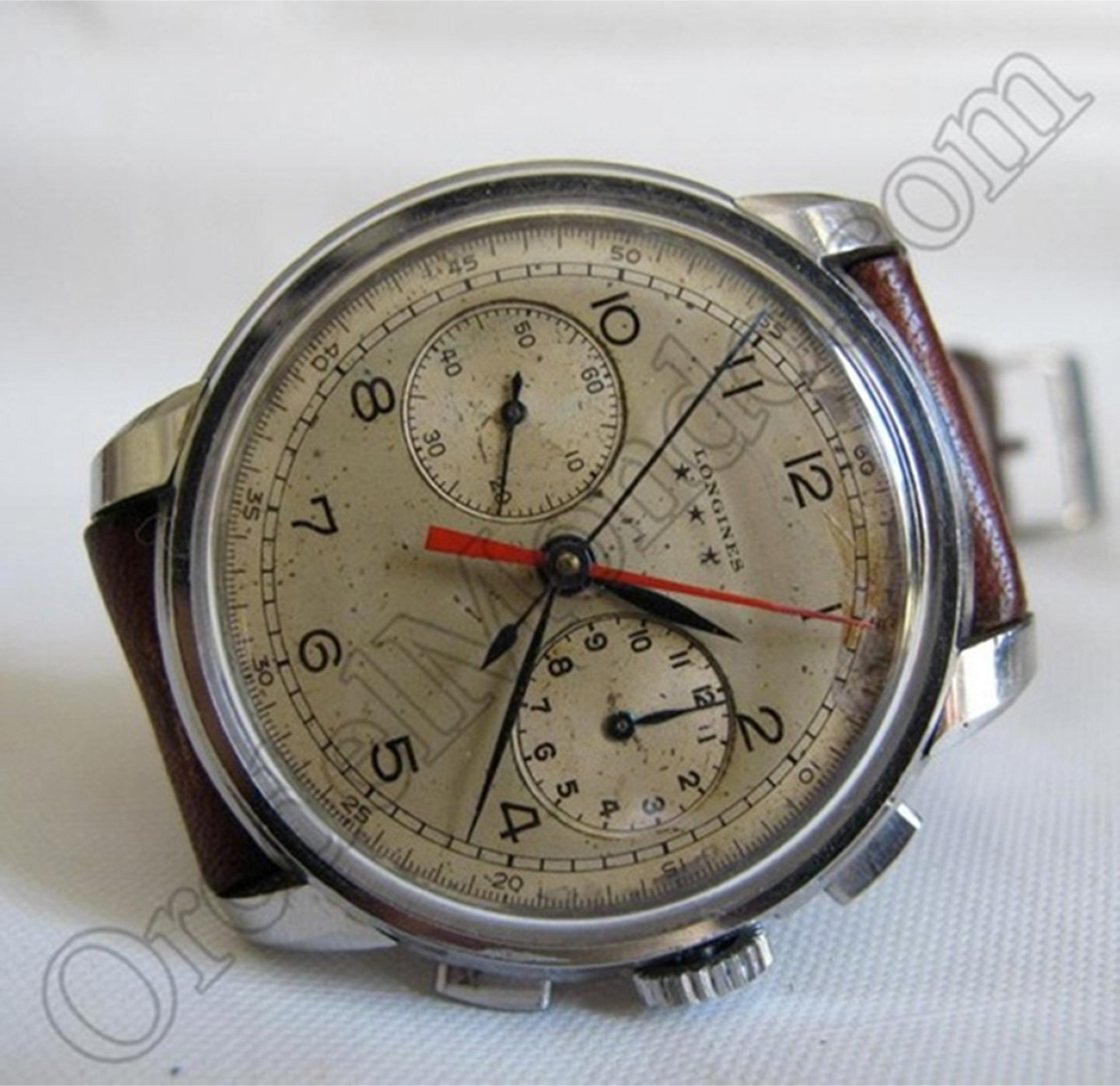
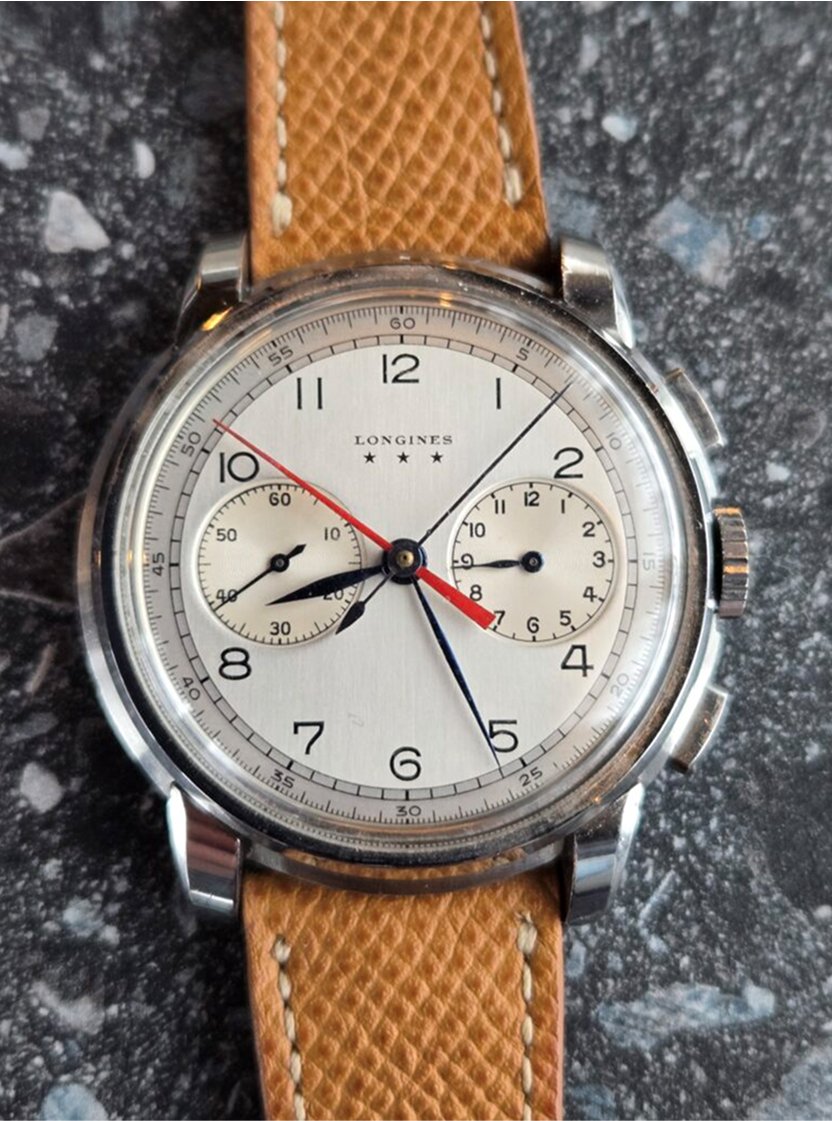
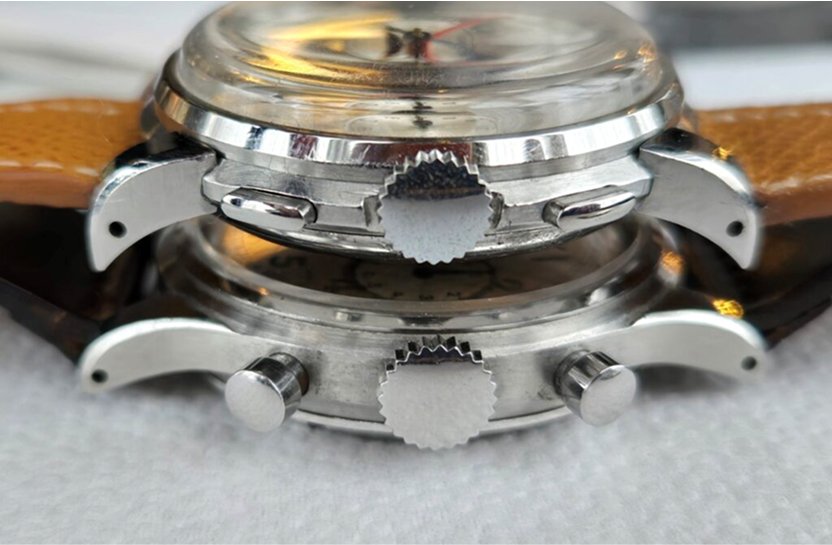
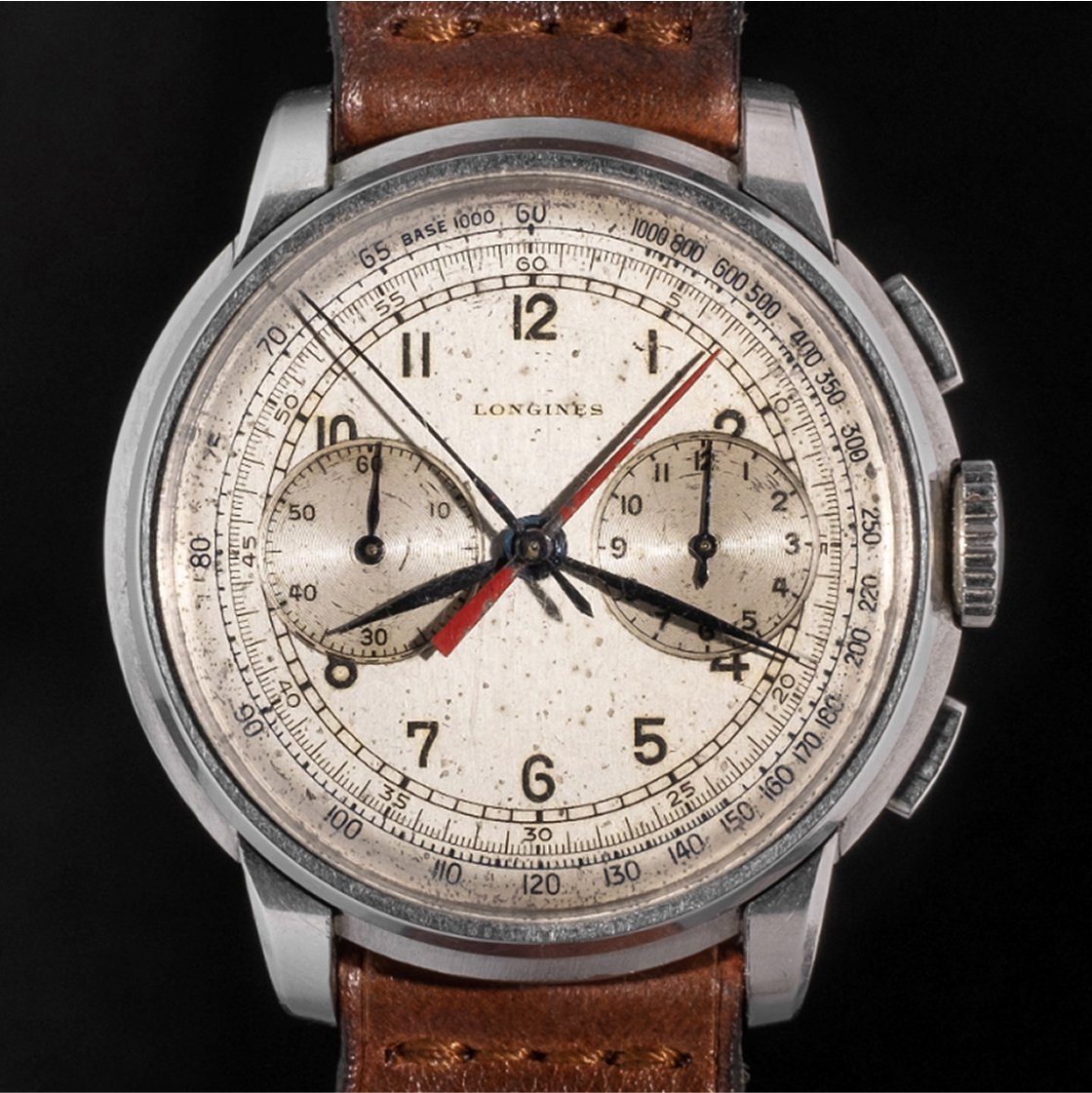
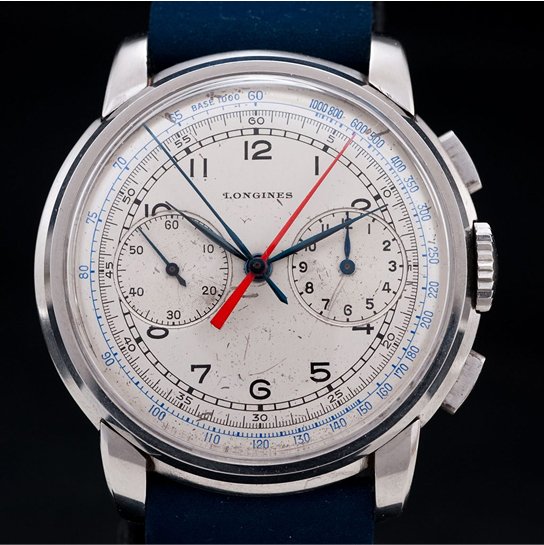
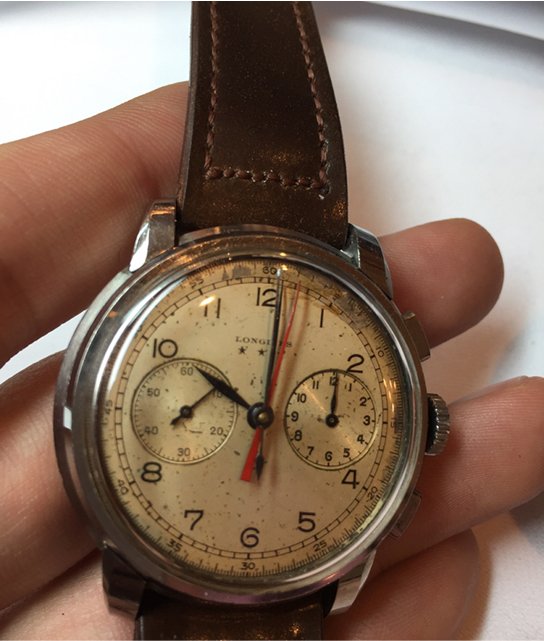
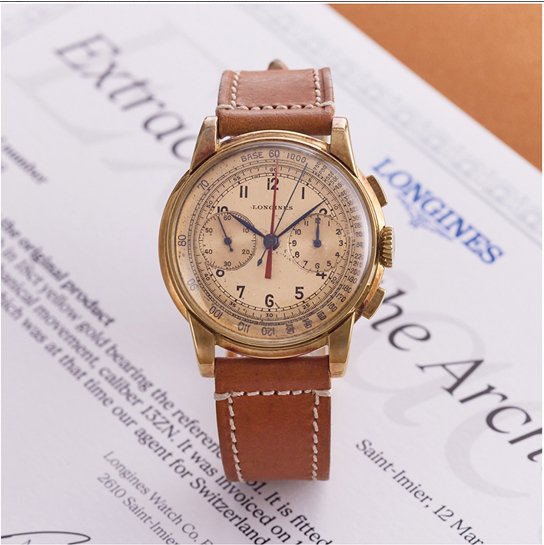
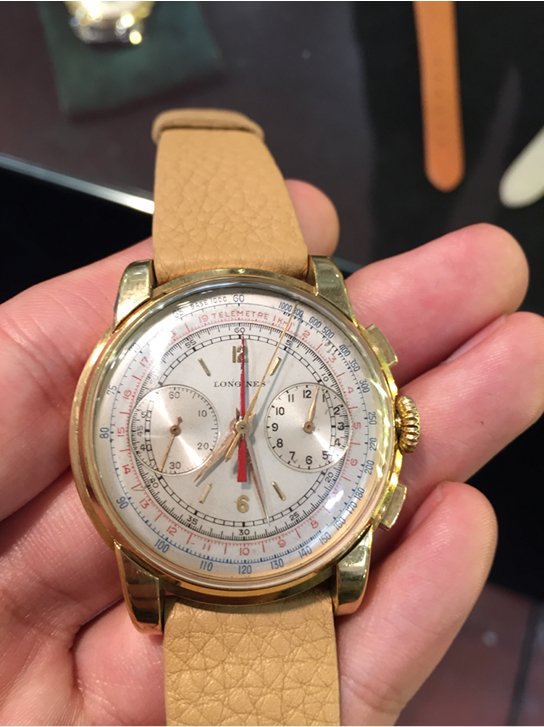
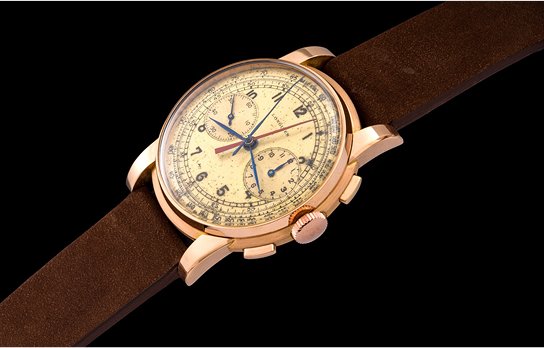
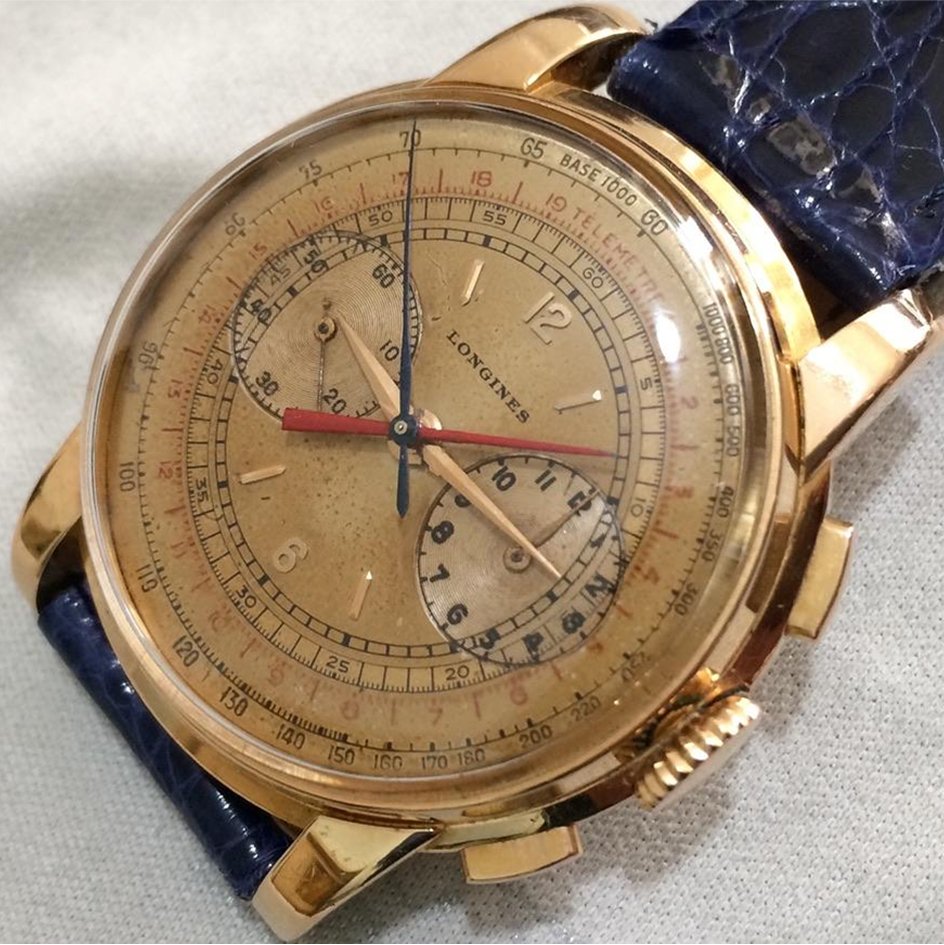
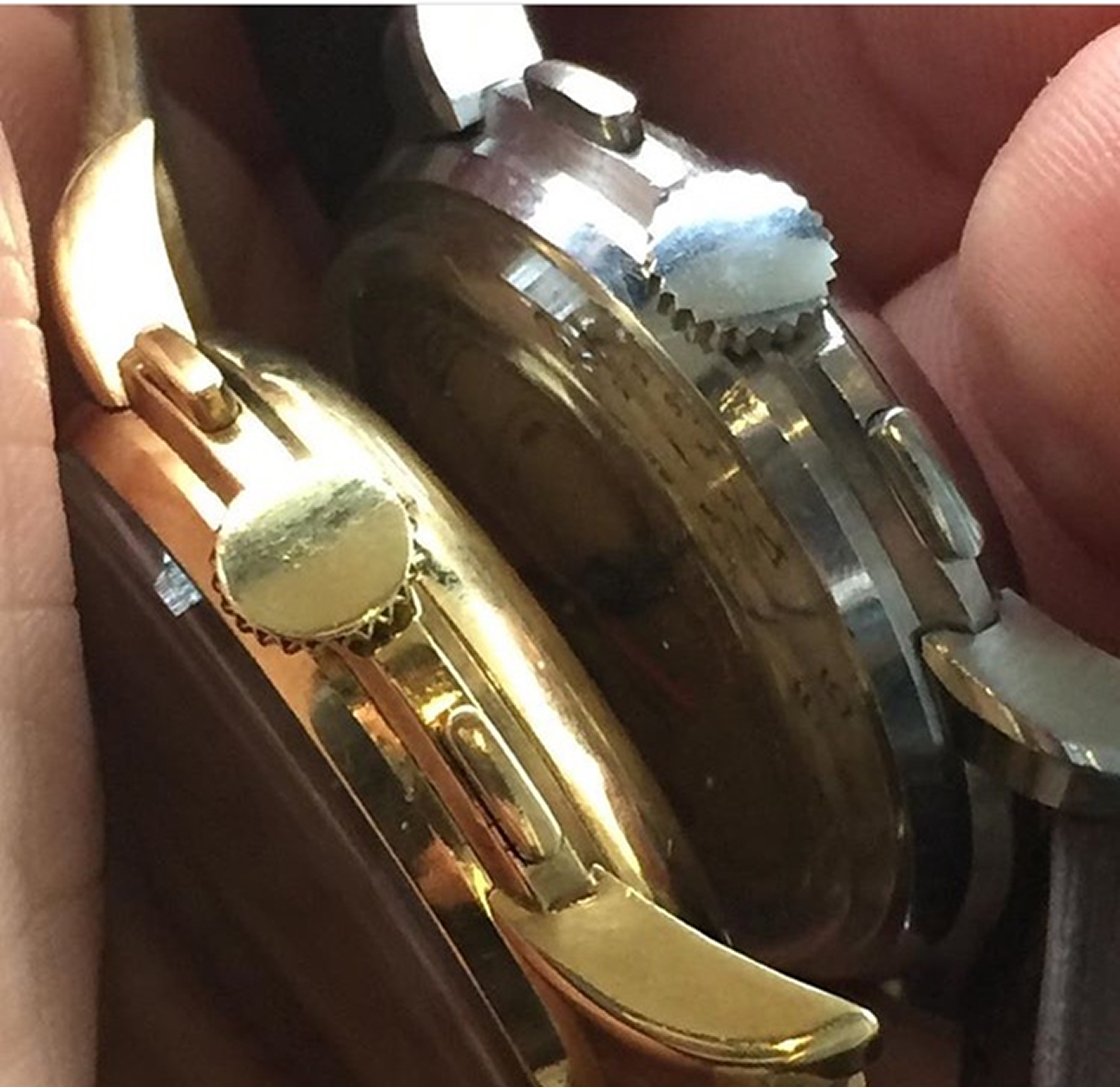
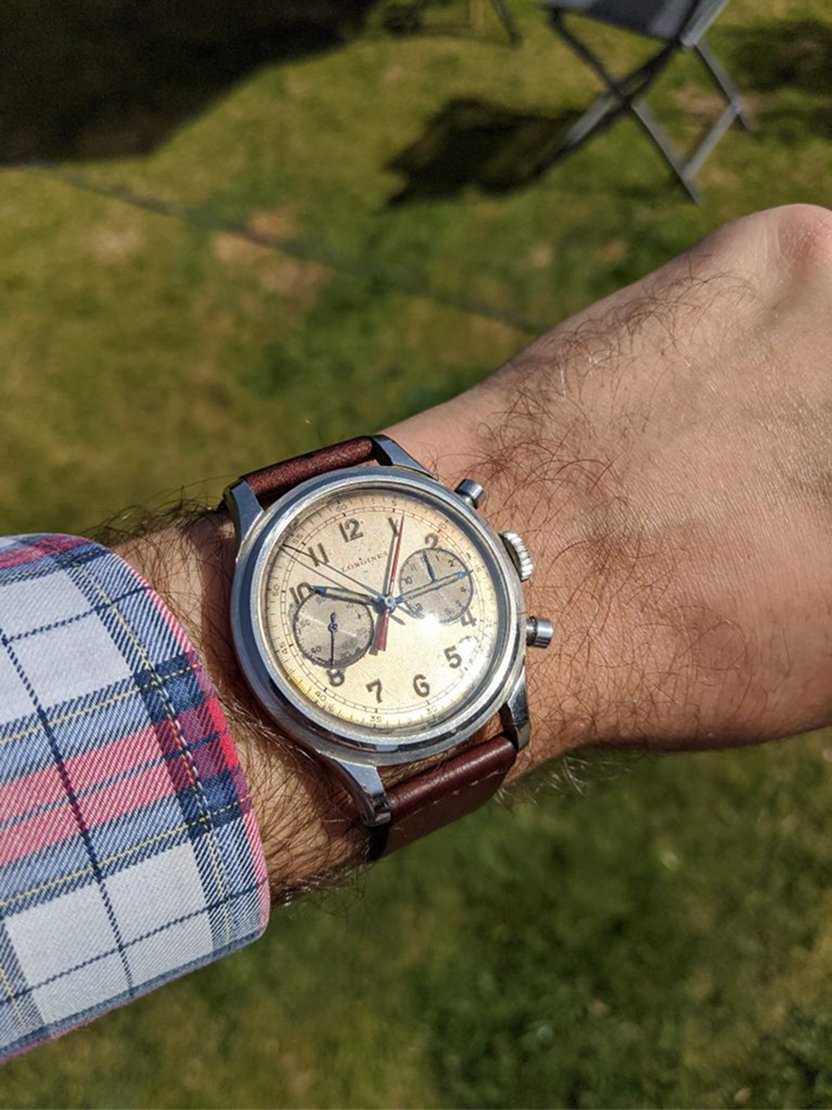
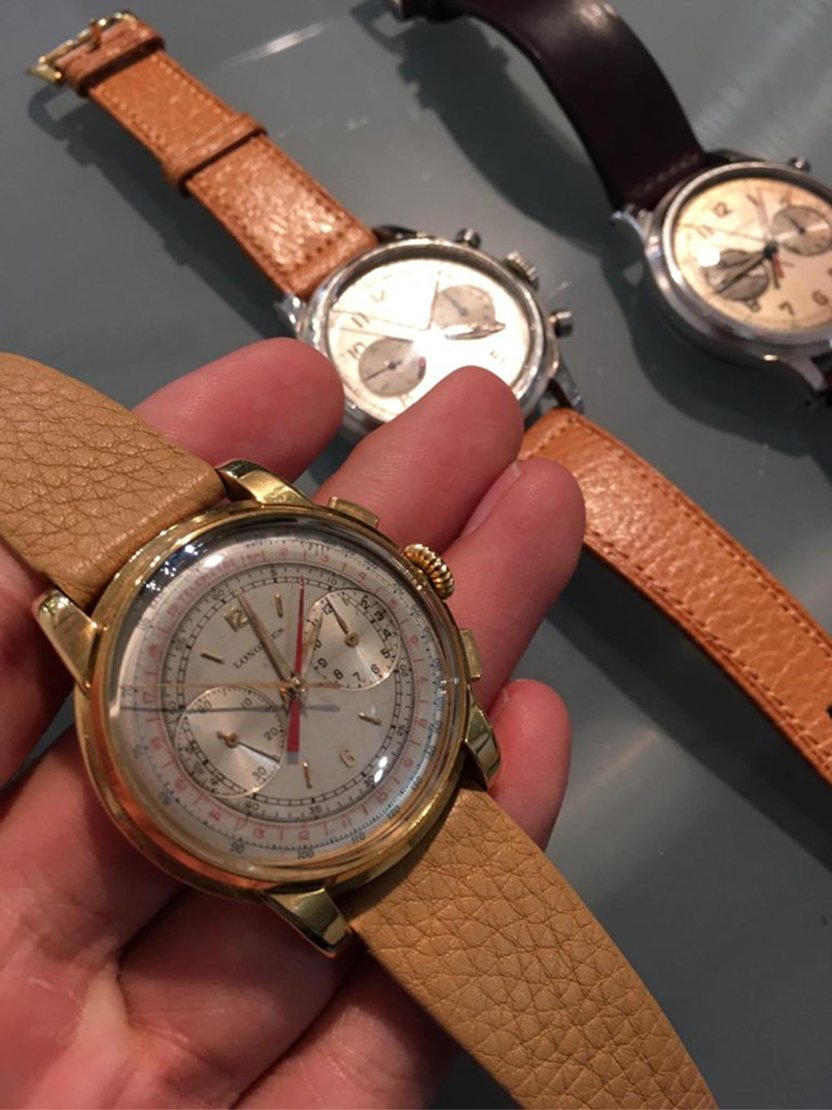
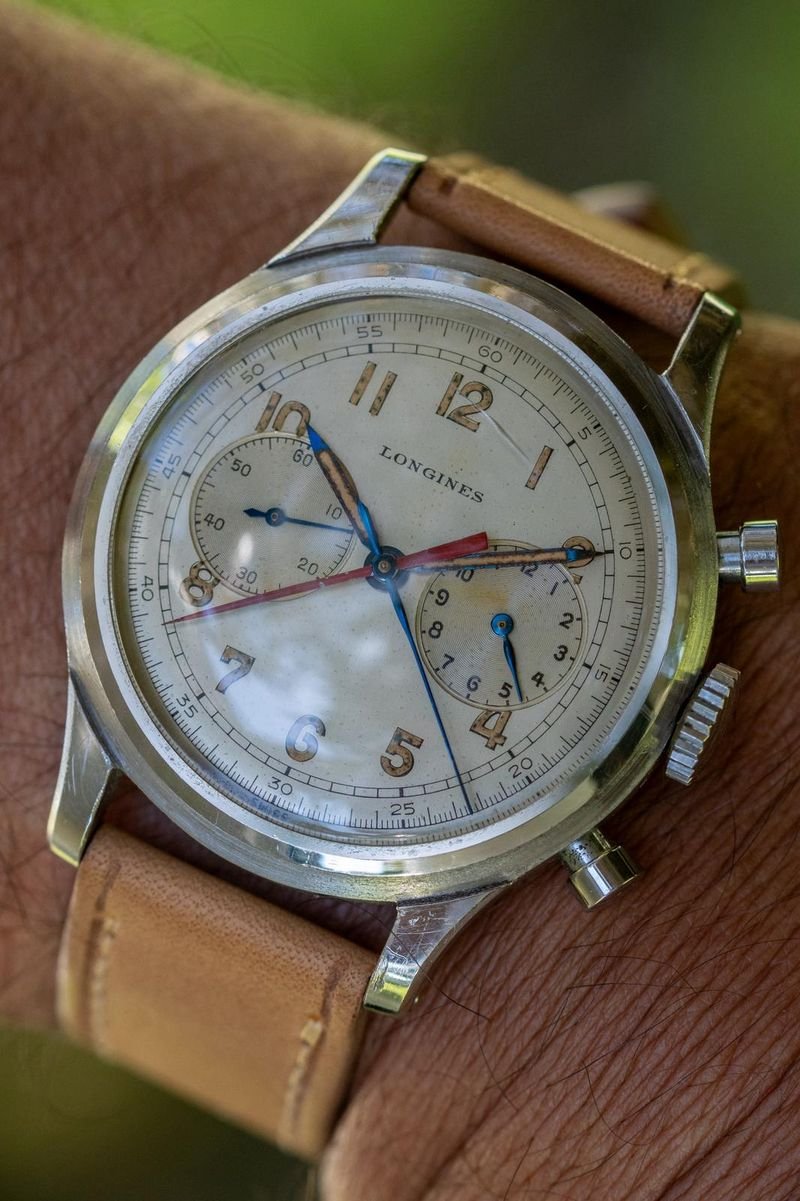
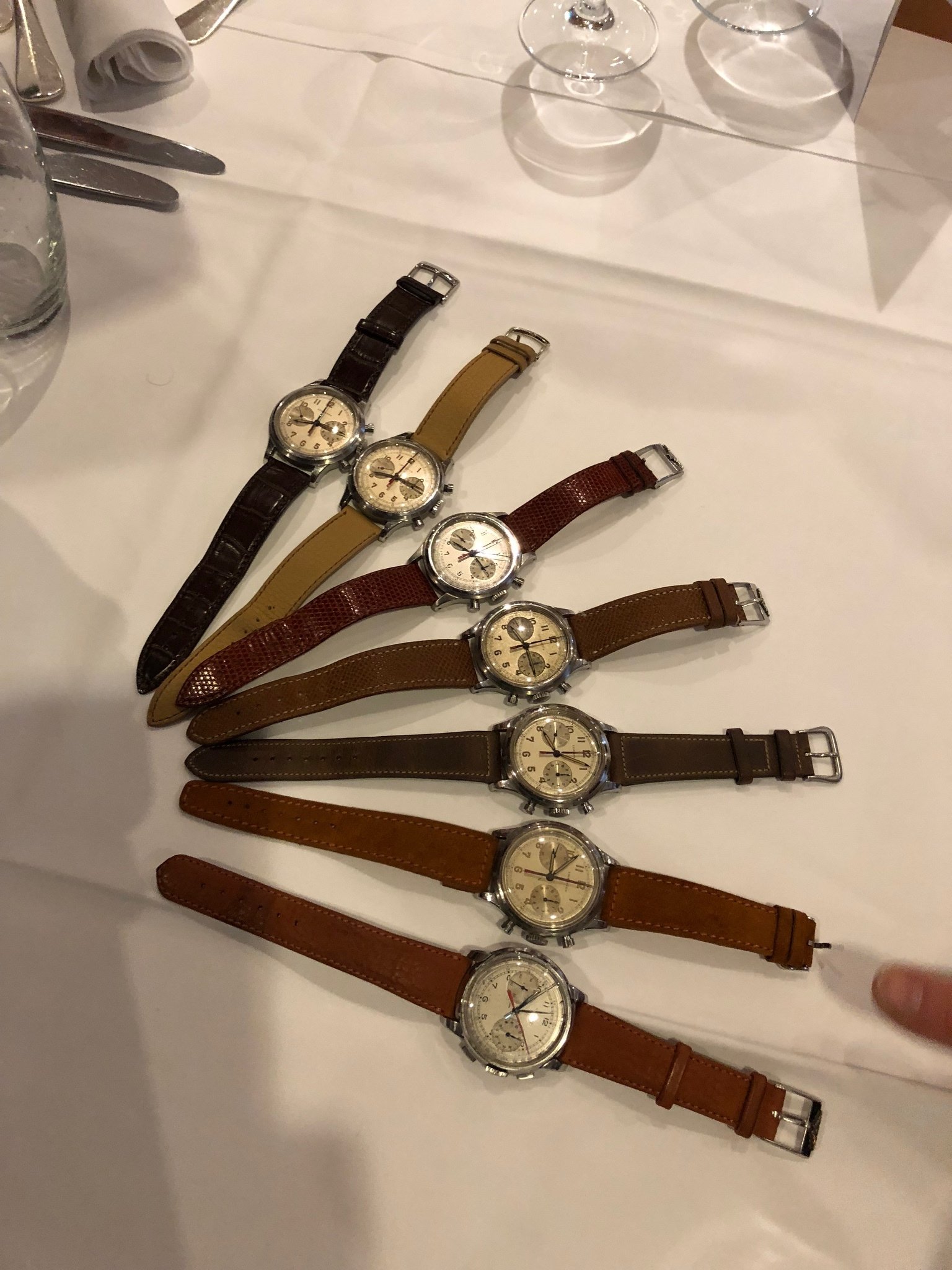
Reference/Cliche 5161, order 23297, represents the rarer variant of the 13ZN-12 Sommatore that is quite different from the Reference 5699 previously discussed. This is a 39mm snap-back case, with square pushers and distinguished by crab-shaped lugs, an entirely distinct case construction.
Where the 5699 was built as a professional’s tool, the 5161 offered a unique elegance for those seeking an alternative within the Sommatore lineage.
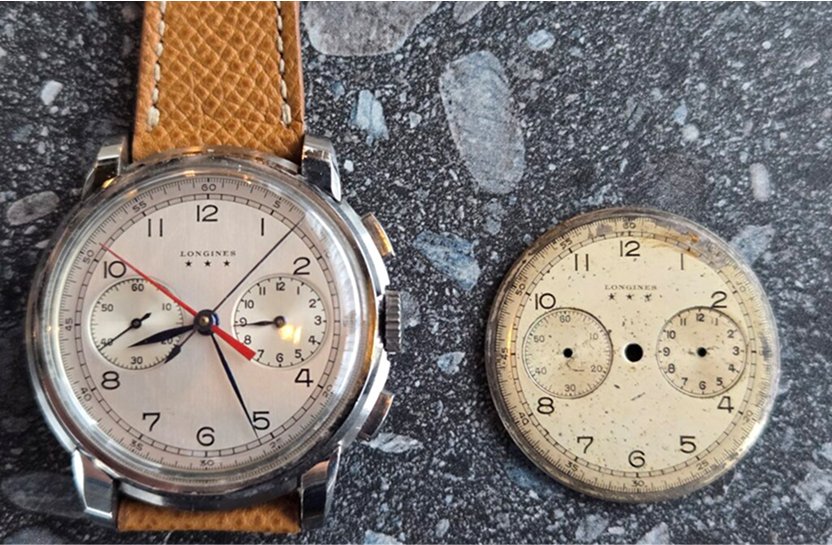
It is considerably rarer than its counterpart under order 23086, with fewer examples appearing in the collector’s market, and even fewer with original dials. Production appears limited, and they were allocated all over the world, including South America, Lebanon, Cuba, Peru, and in Europe, notably Spain, Italy and Switzerland. This global distribution pattern speaks to a different marketing strategy than the America-focused 5699, suggesting Longines saw the 5161 as appealing to a more diverse, international clientele.
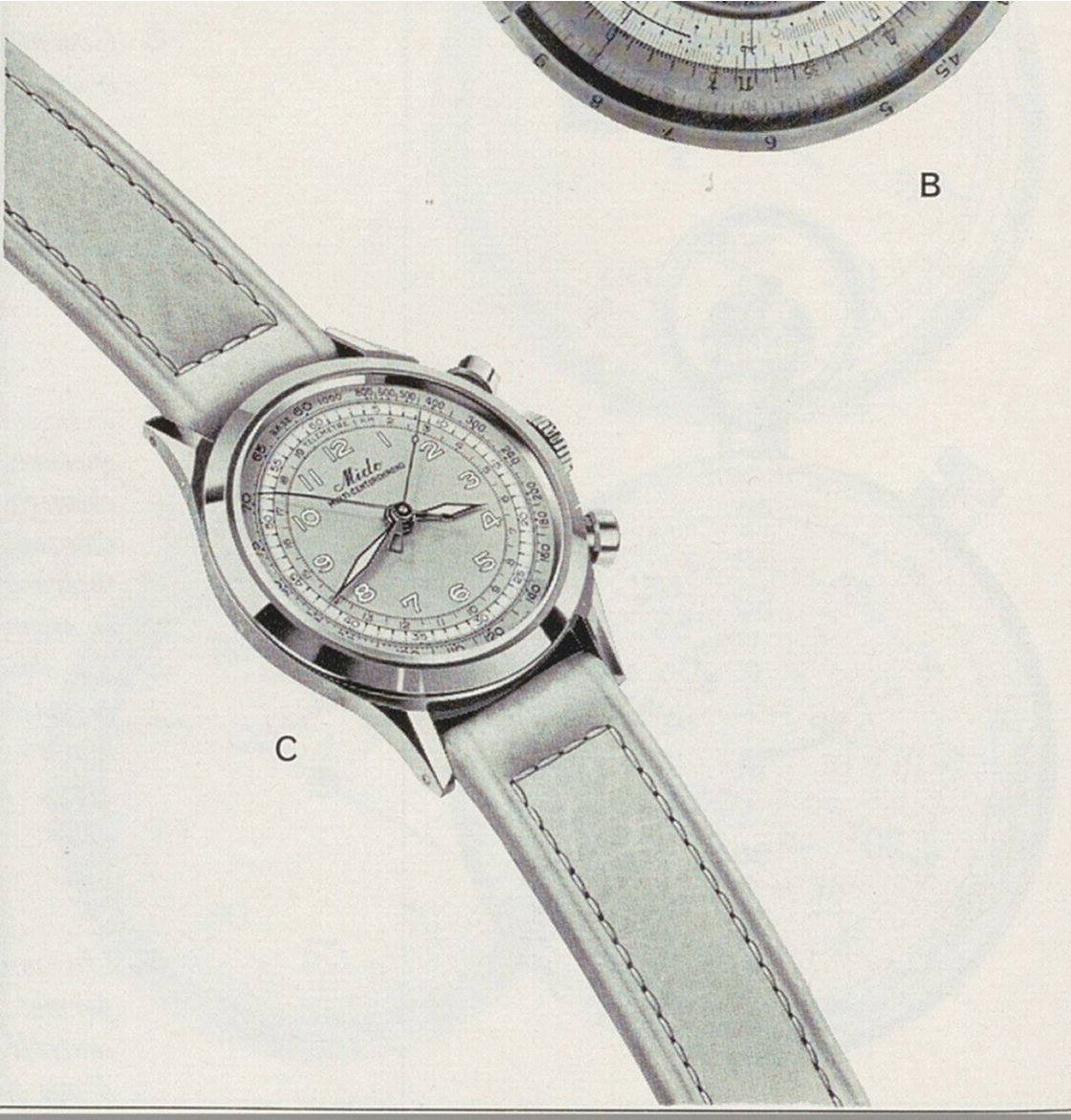
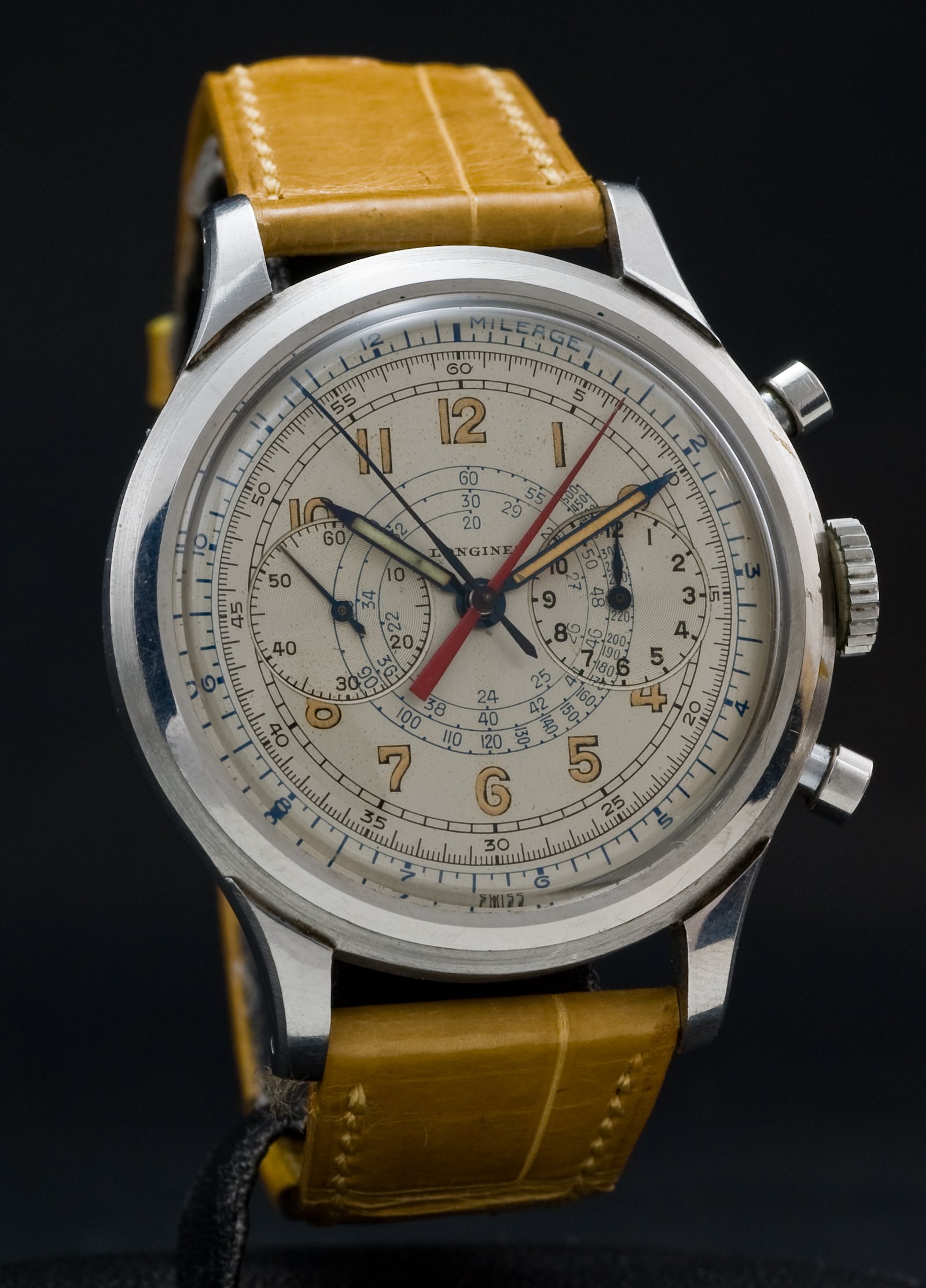
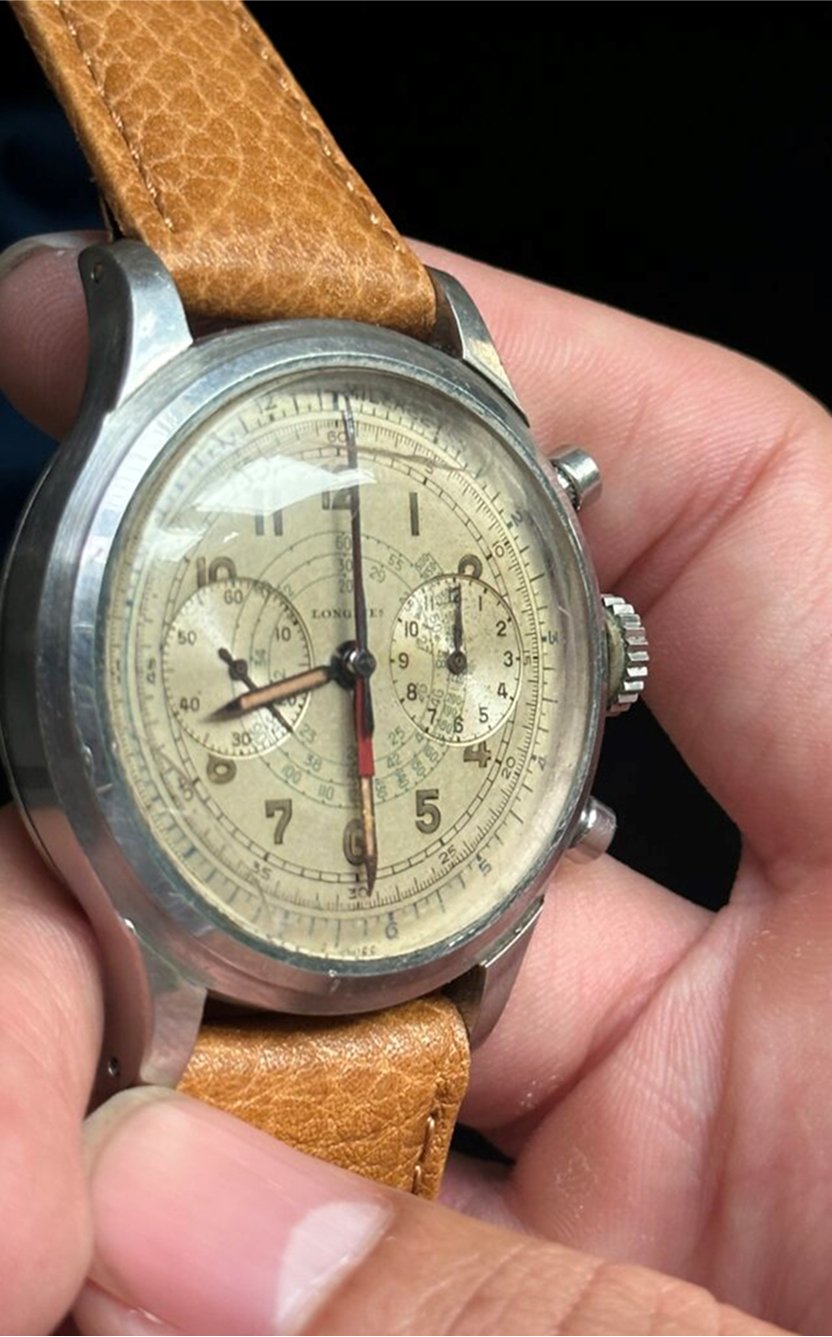
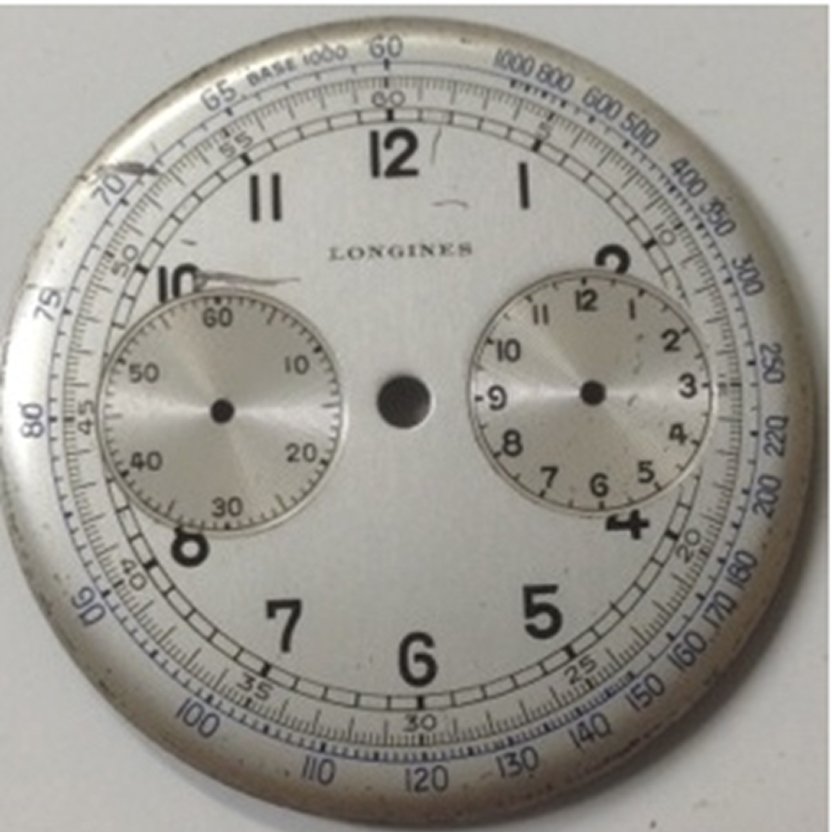
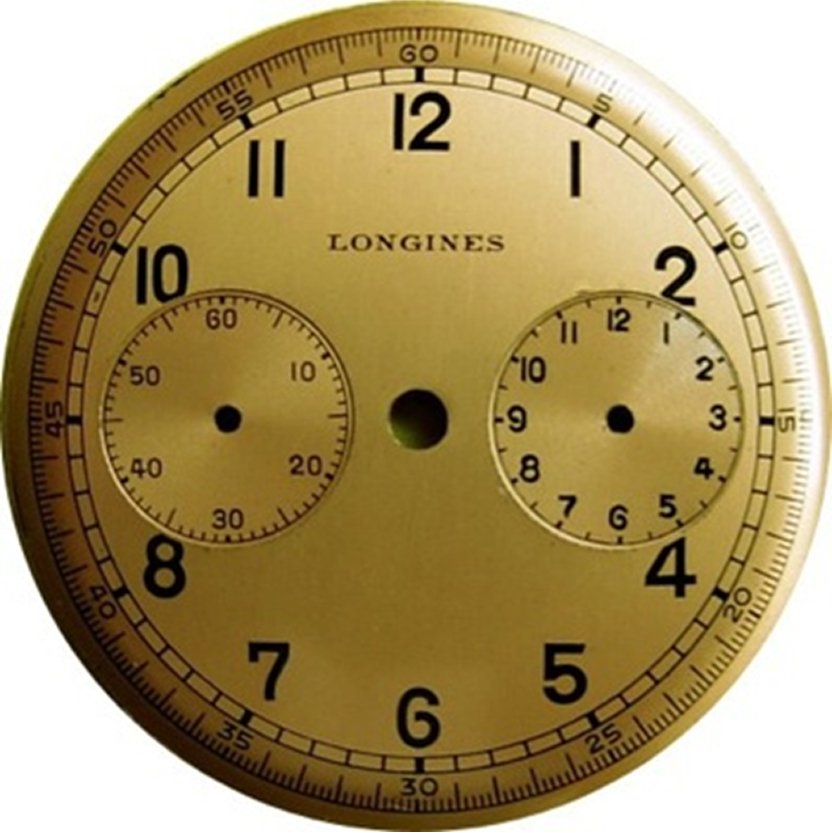
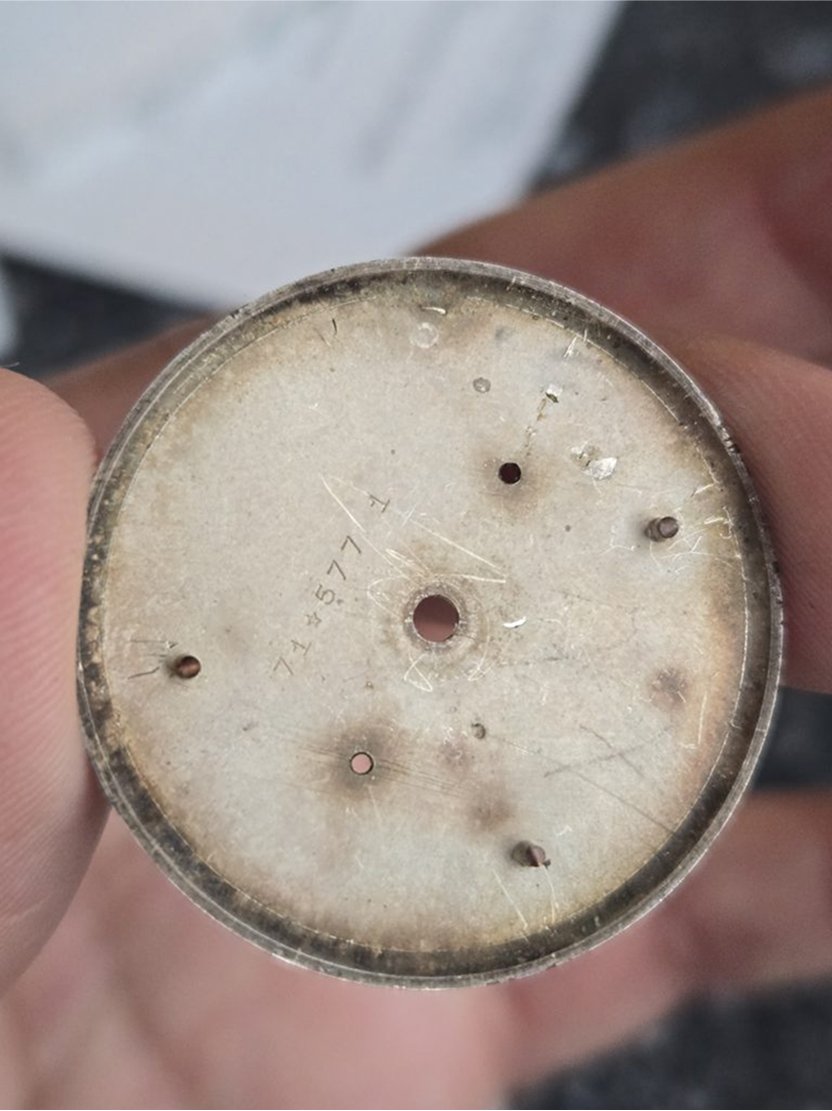
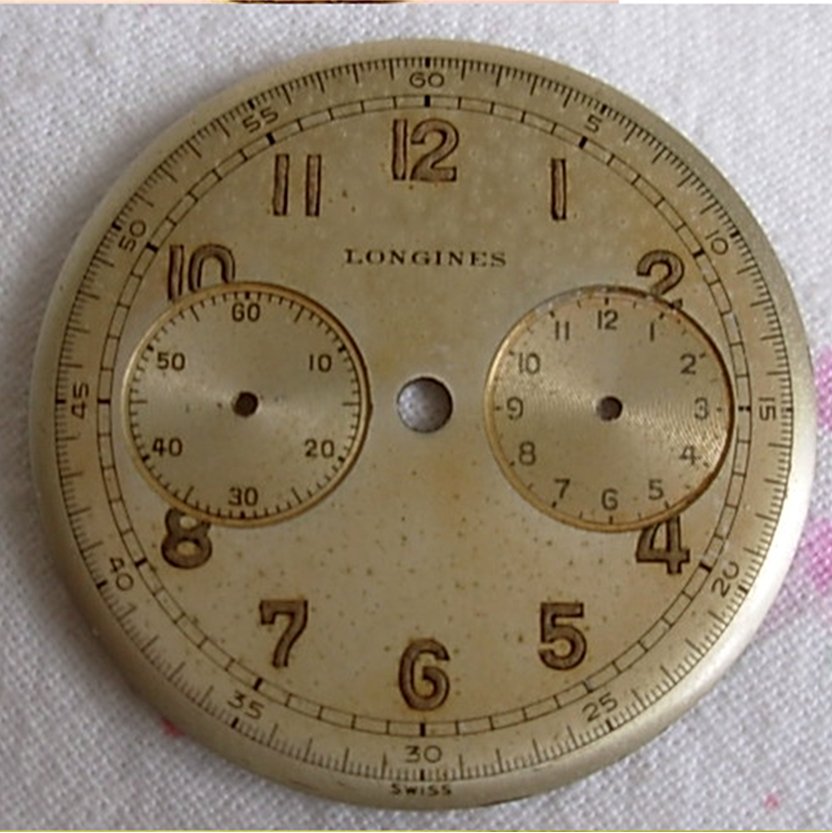
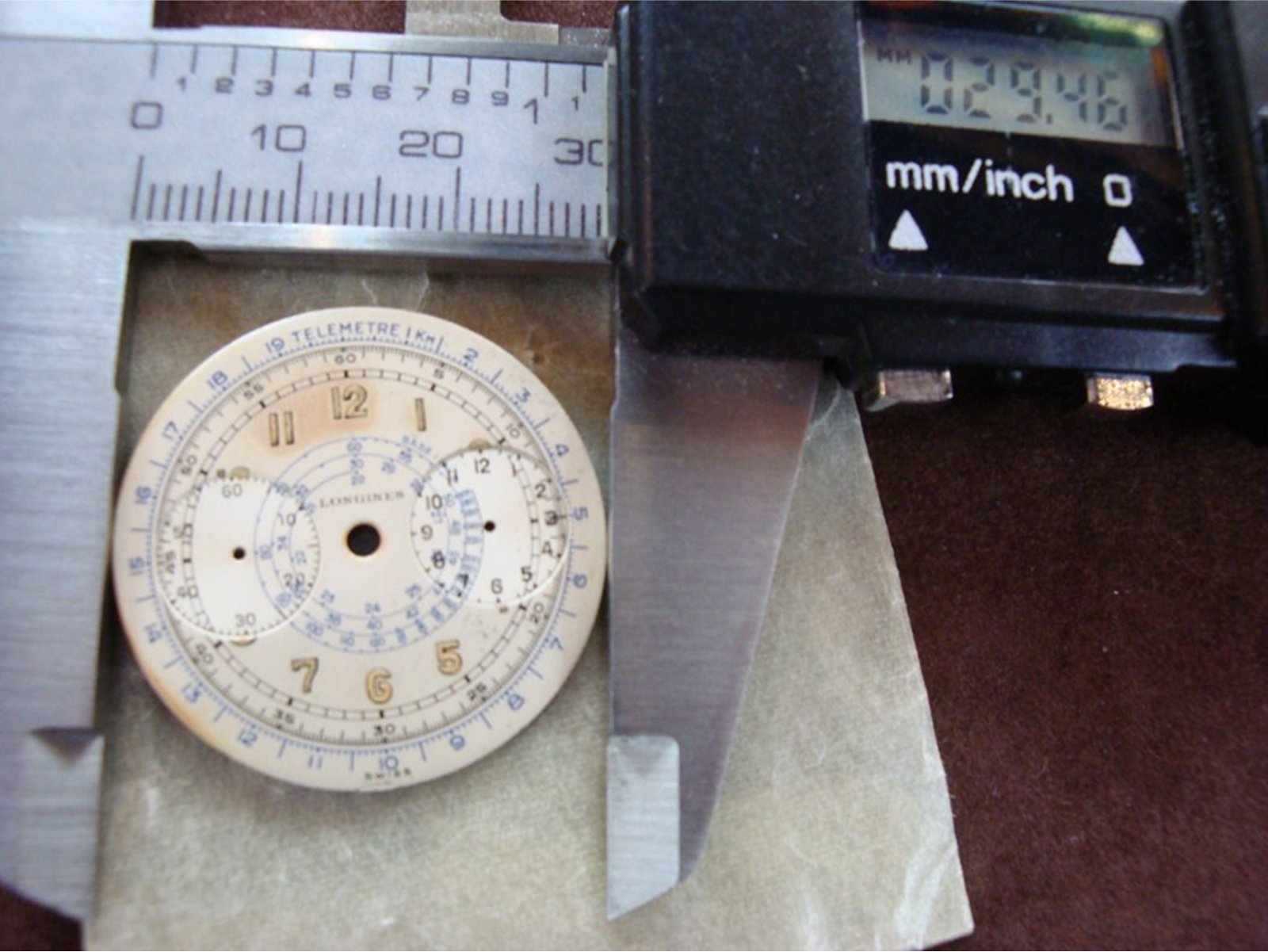
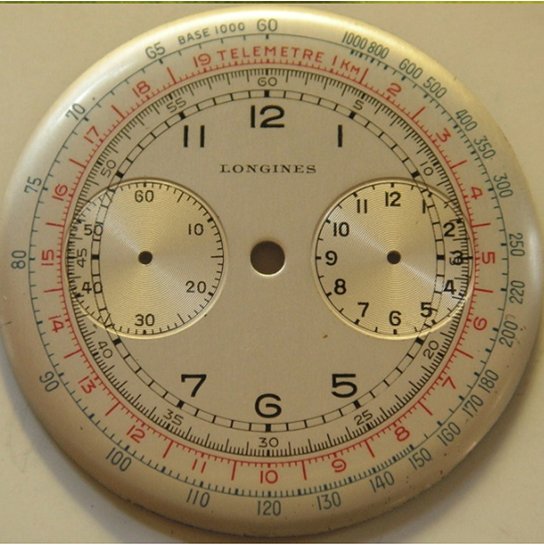
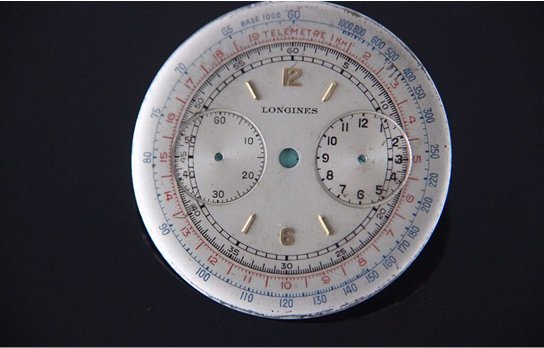
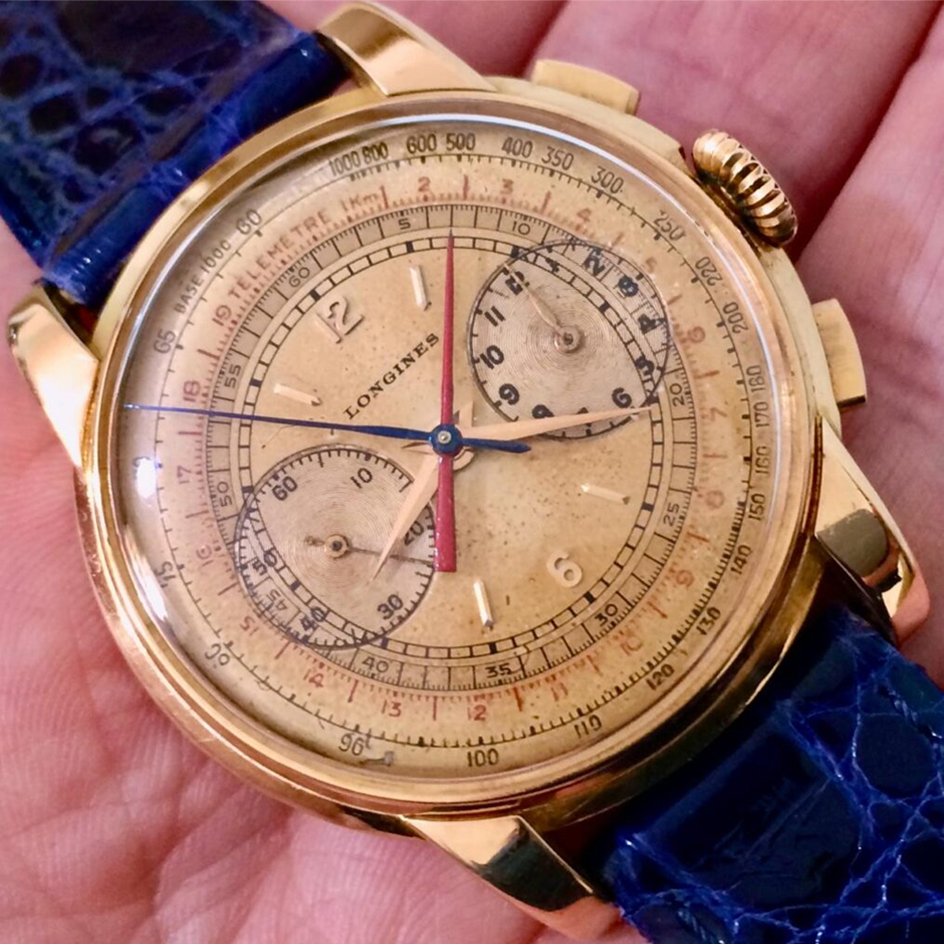
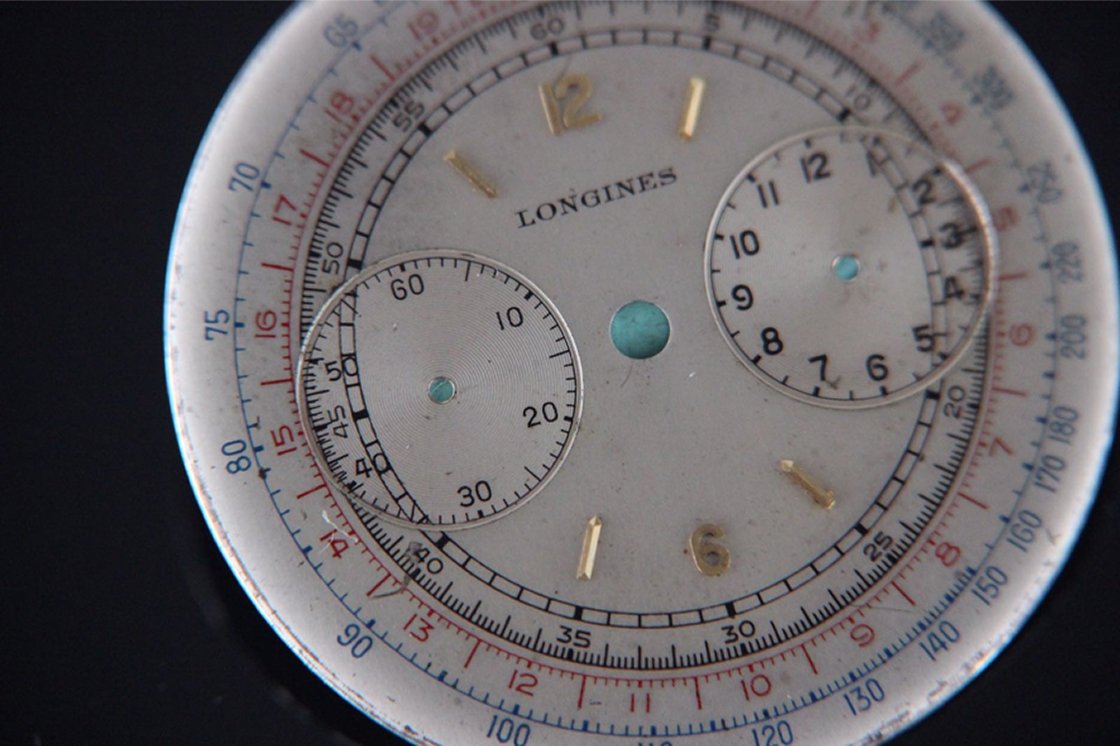
The dials of Reference 5161 exhibit notable variation, contingent upon the case material. In contrast to the radium-indexes characteristic of order 23086, these dials typically forgo luminescence, featuring instead telemeter or tachymeter scales, or applied indices in the case of yellow and rose gold iterations. Indeed, Reference 5161 extends beyond stainless steel to include these precious metal variants, enhancing its allure.
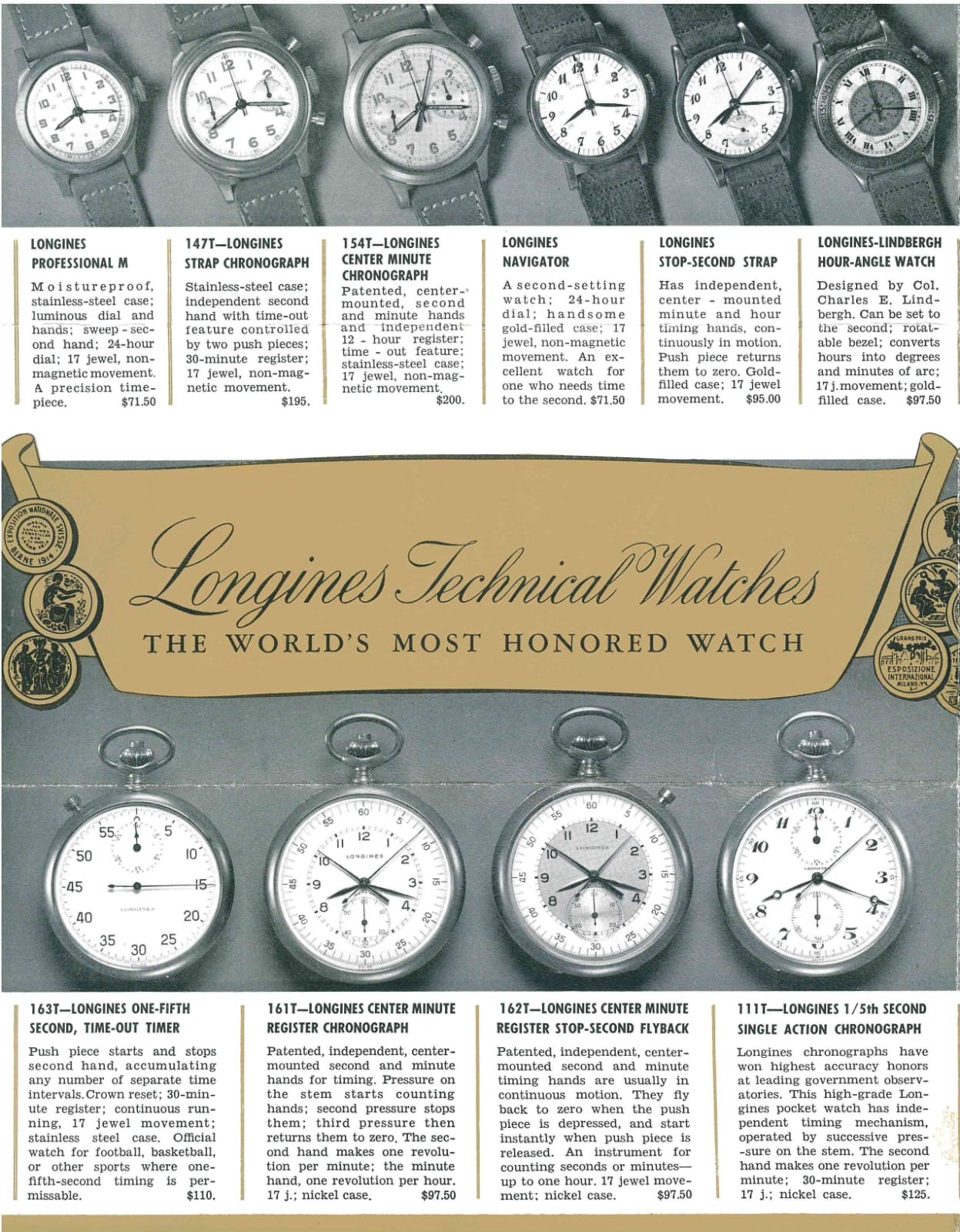
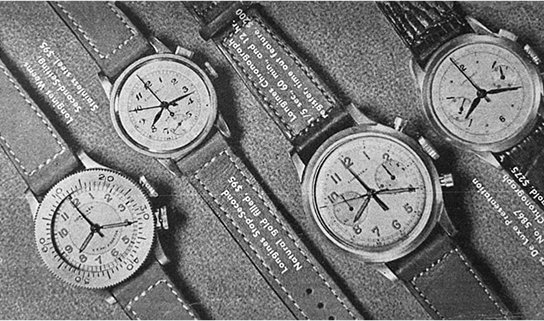
Manufactured towards the conclusion of the 13ZN’s production cycle, it coincides with the introduction of the 30CH in 1947, a chronograph developed by Longines as a more cost-effective alternative.
The timing marks the 5161 as a transitional piece, lacking the robust waterproofing of Reference 5699 but offering a refinement that appealed to civilian professionals and customers who valued elegance alongside functionality.
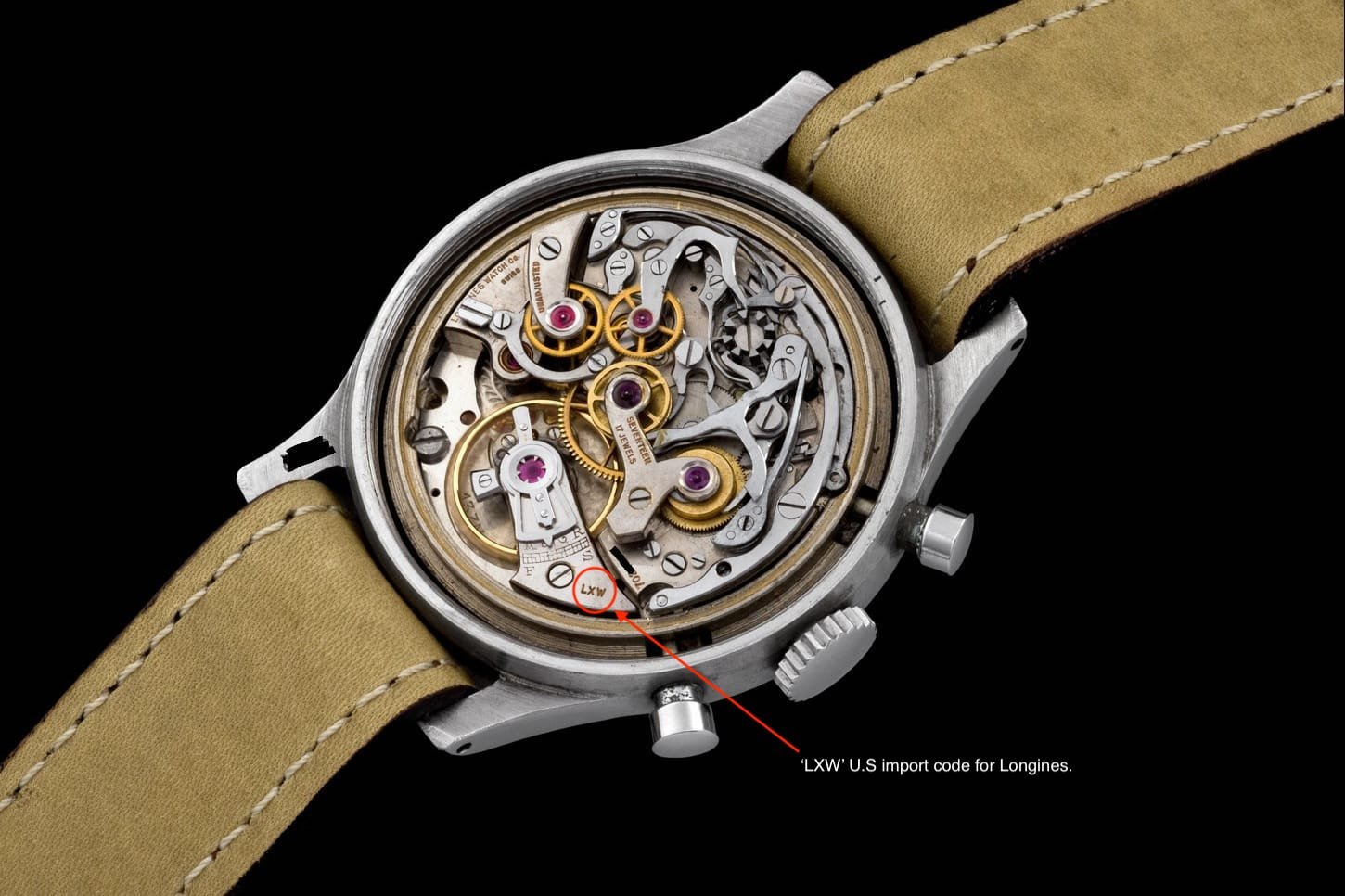
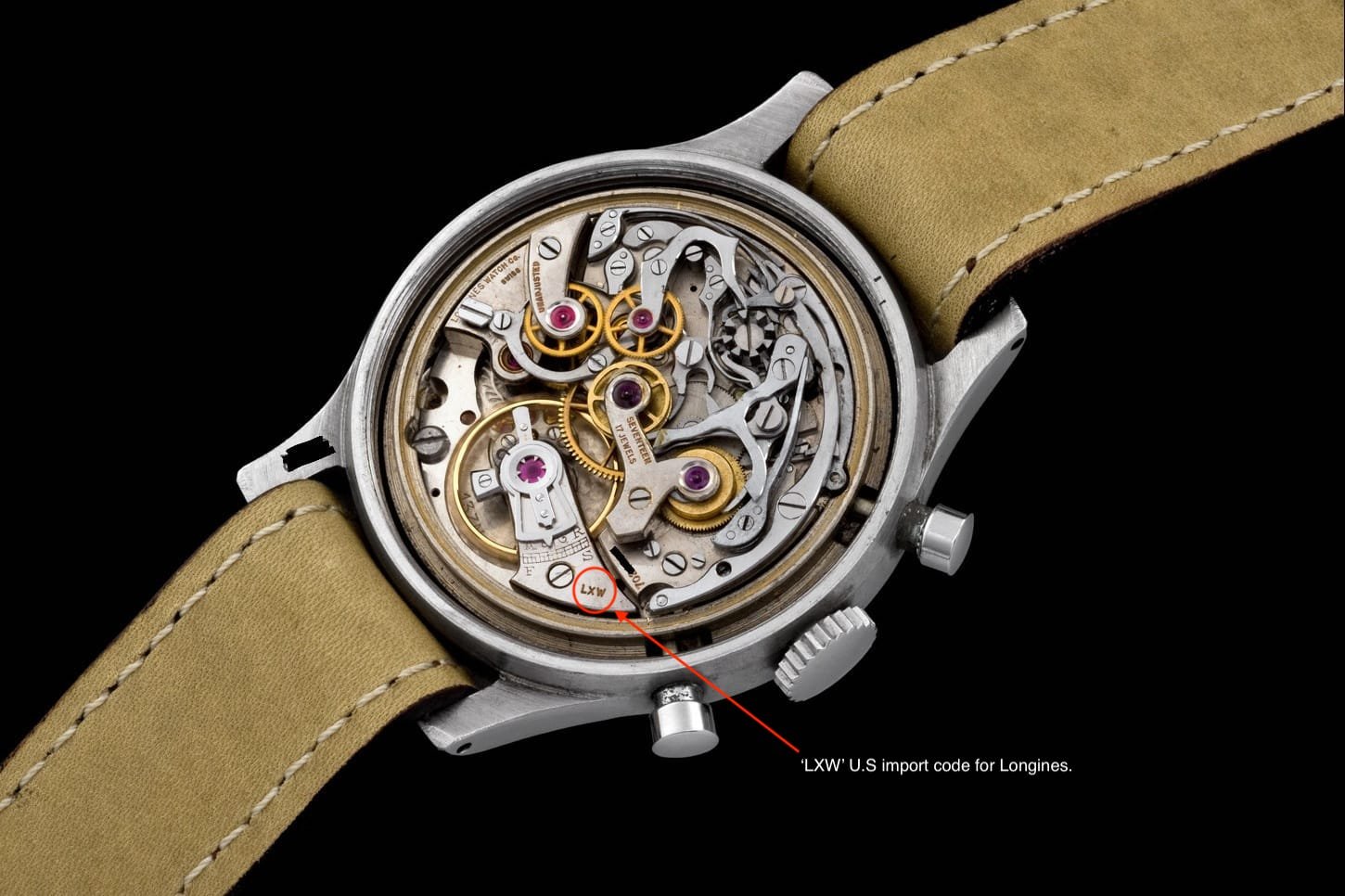
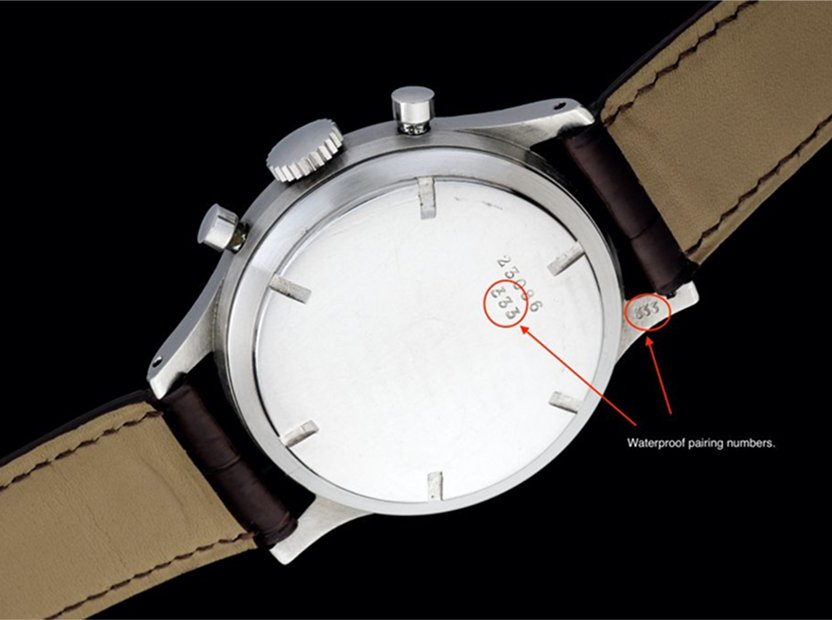
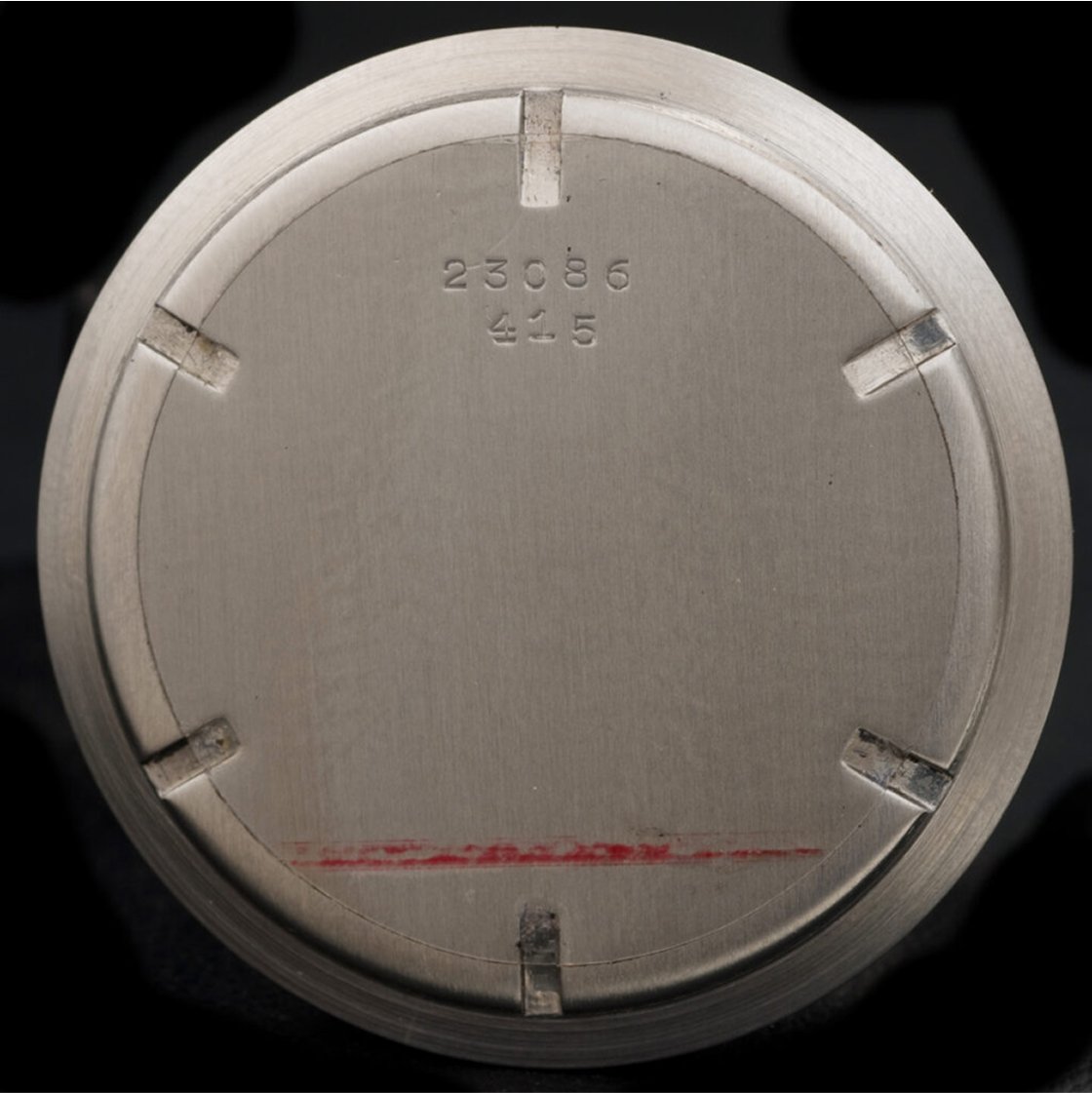
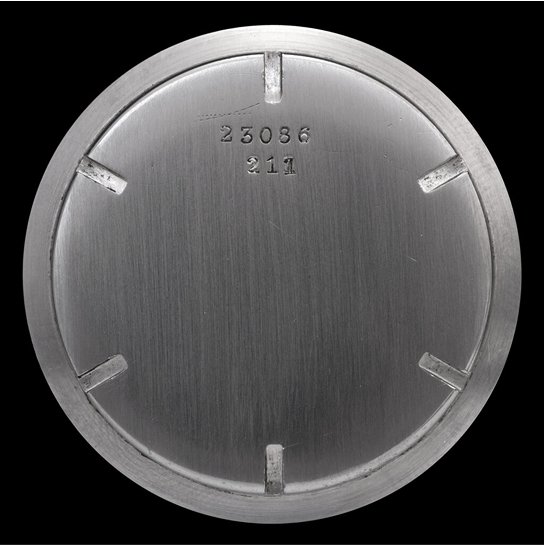
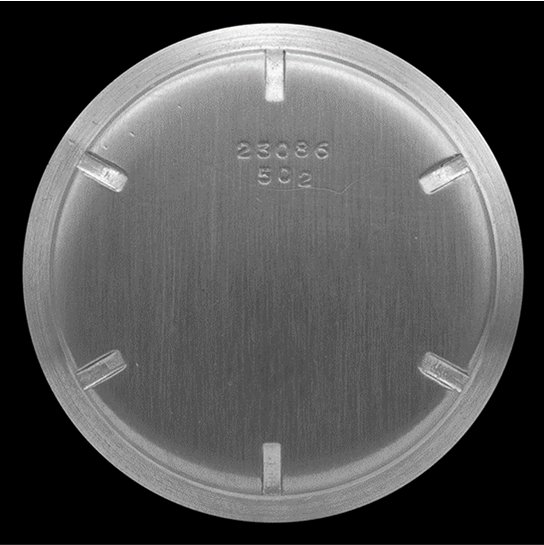
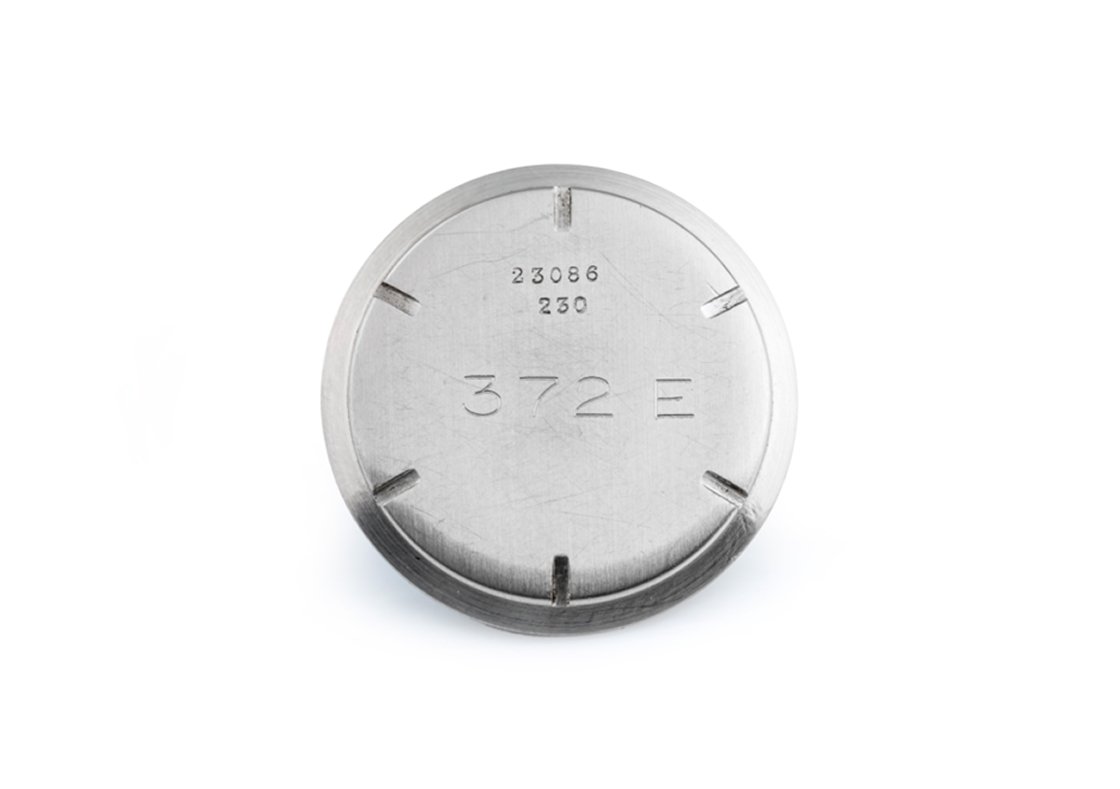
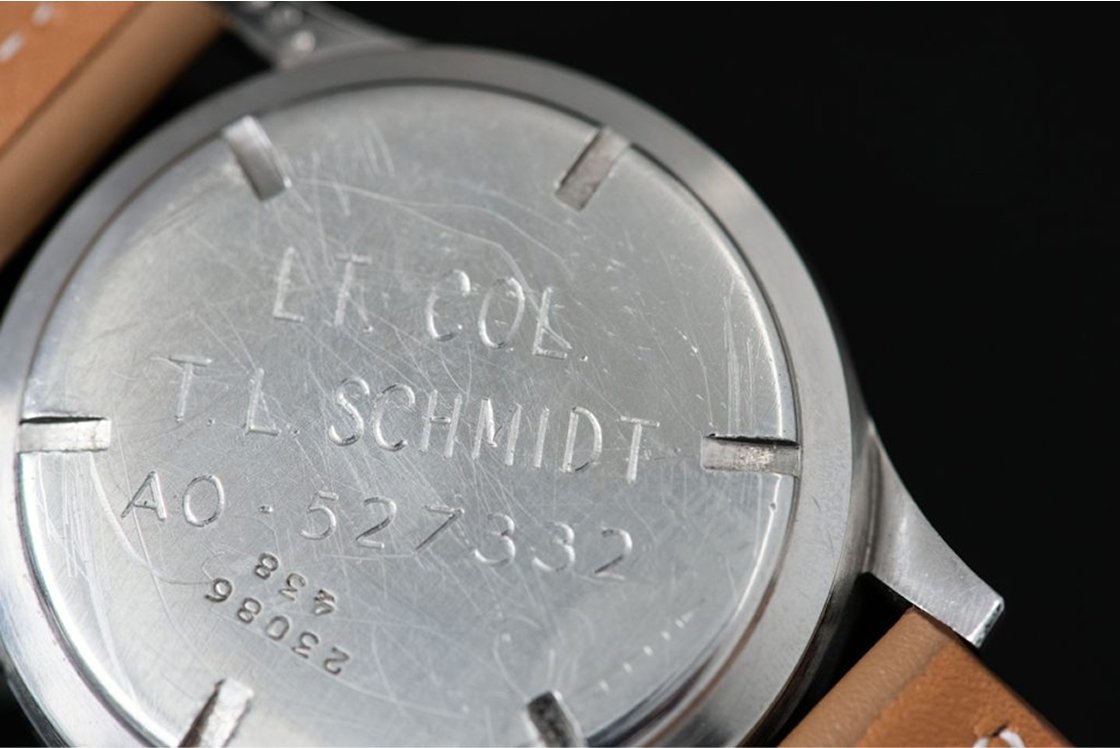
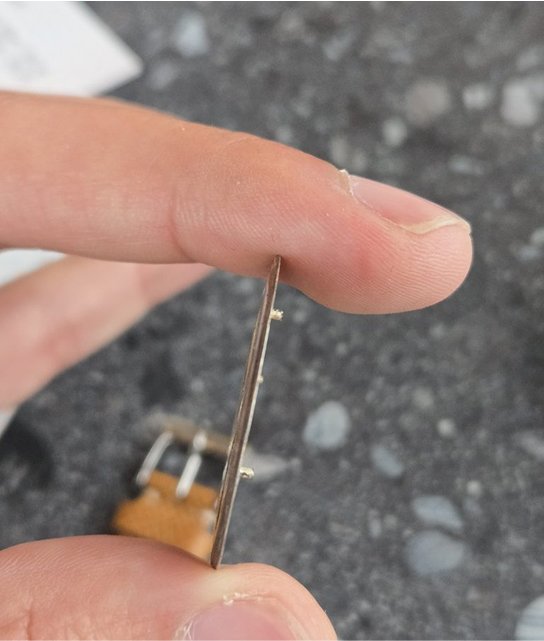
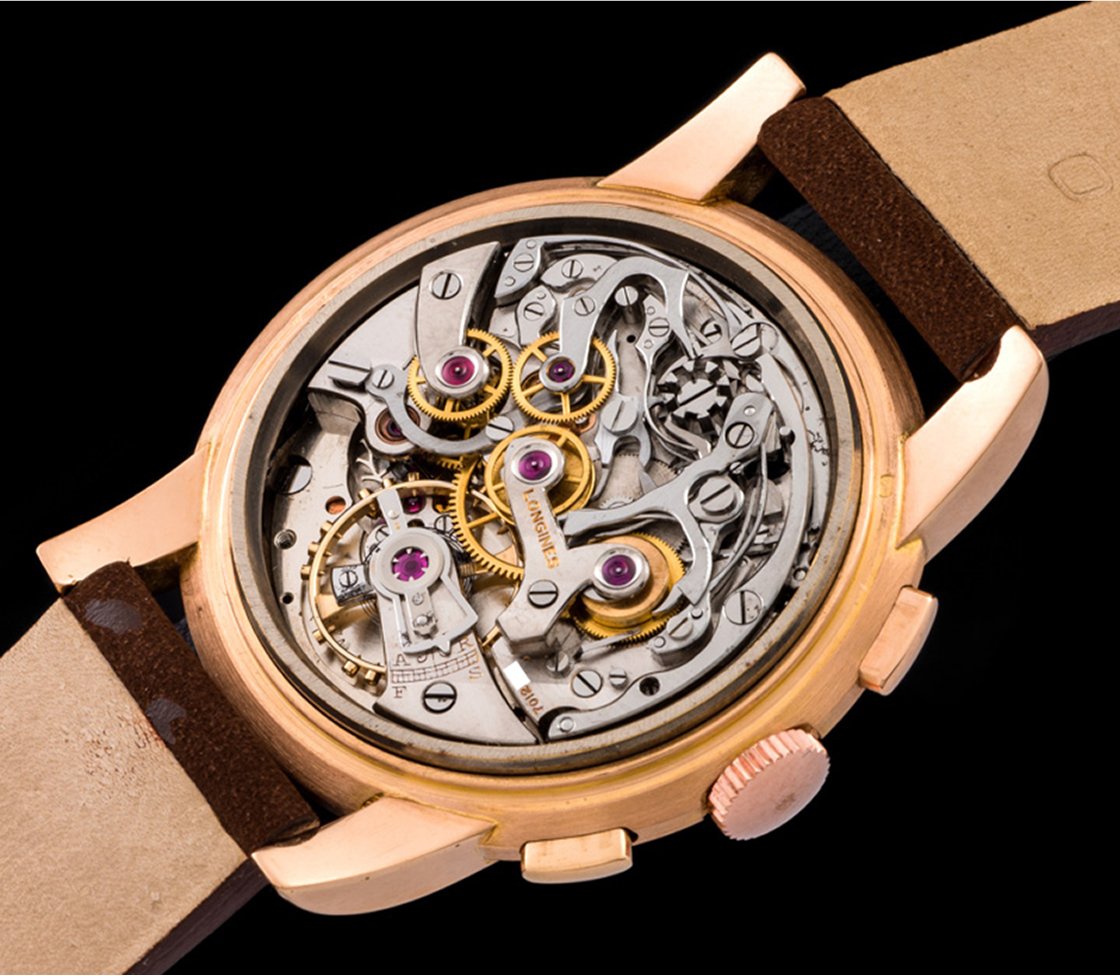
The case back exterior bears both the order number and waterproof pairing (as shown below in case back section), while its interior is marked with “Longines” and “Acier Inox.” The waterproof pairing number is then stamped on the inner lug as well. This was done so as to match cases during assembly and service.
Collectors occasionally encounter specimens with mismatched case serial numbers, the result of either hasty service work or end-of-series pieces assembled using remaining factory components.
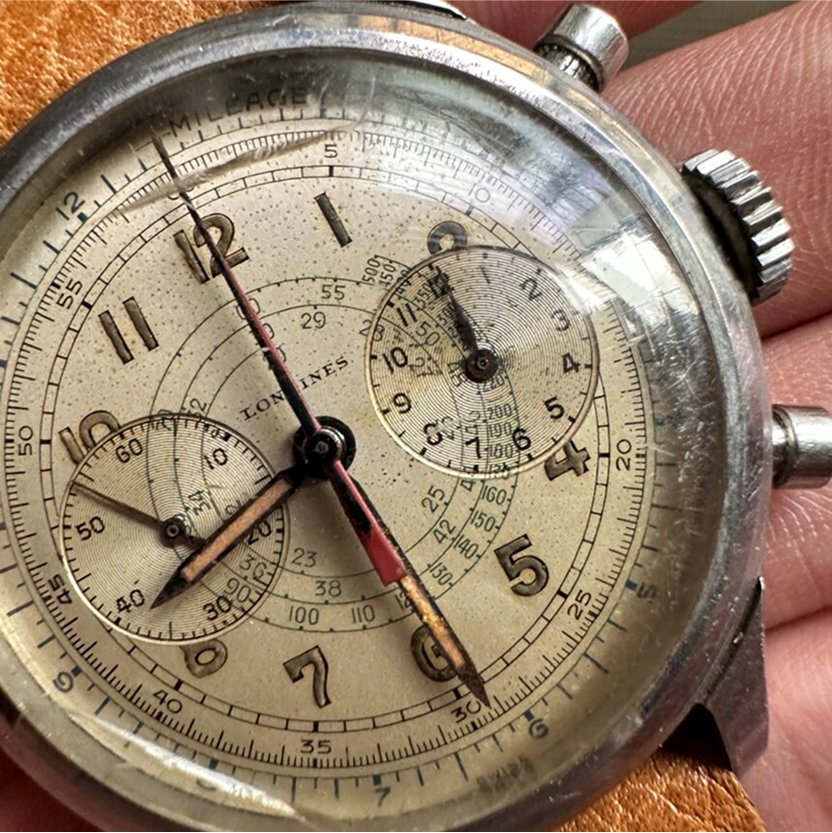
The original plexiglass deserves special attention, featuring a high, vertical lateral rib. Its wide radius of curvature (characteristic of this period when relatively flat plexiglasses were standard) provides exceptional dial legibility under various lighting conditions.
It should be noted that although collectors naturally look for matching waterproof paring numbers on the outer case back and inner lug, there are many that have mismatched numbers. These waterproof pairing numbers were used to match cases and case backs at assembly and in service and so a mismatched example shouldn’t be dismissed for this reason alone.
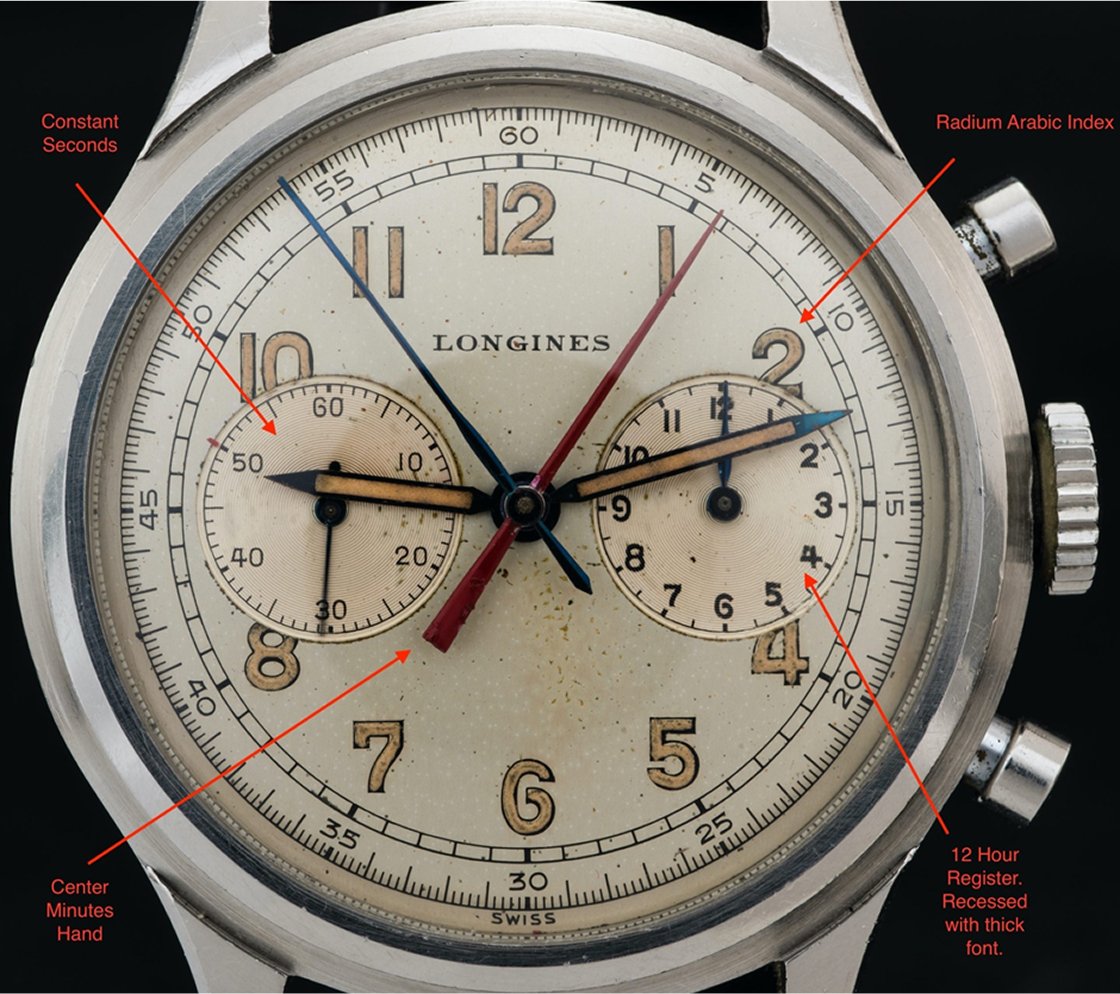
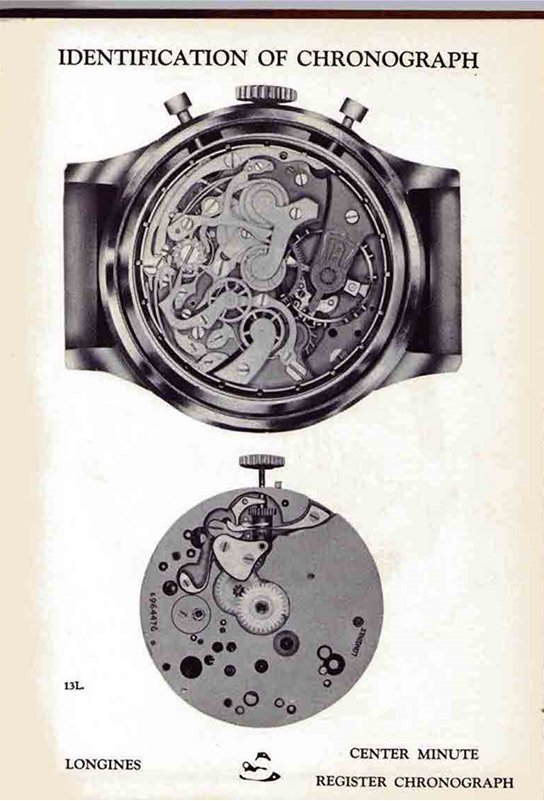
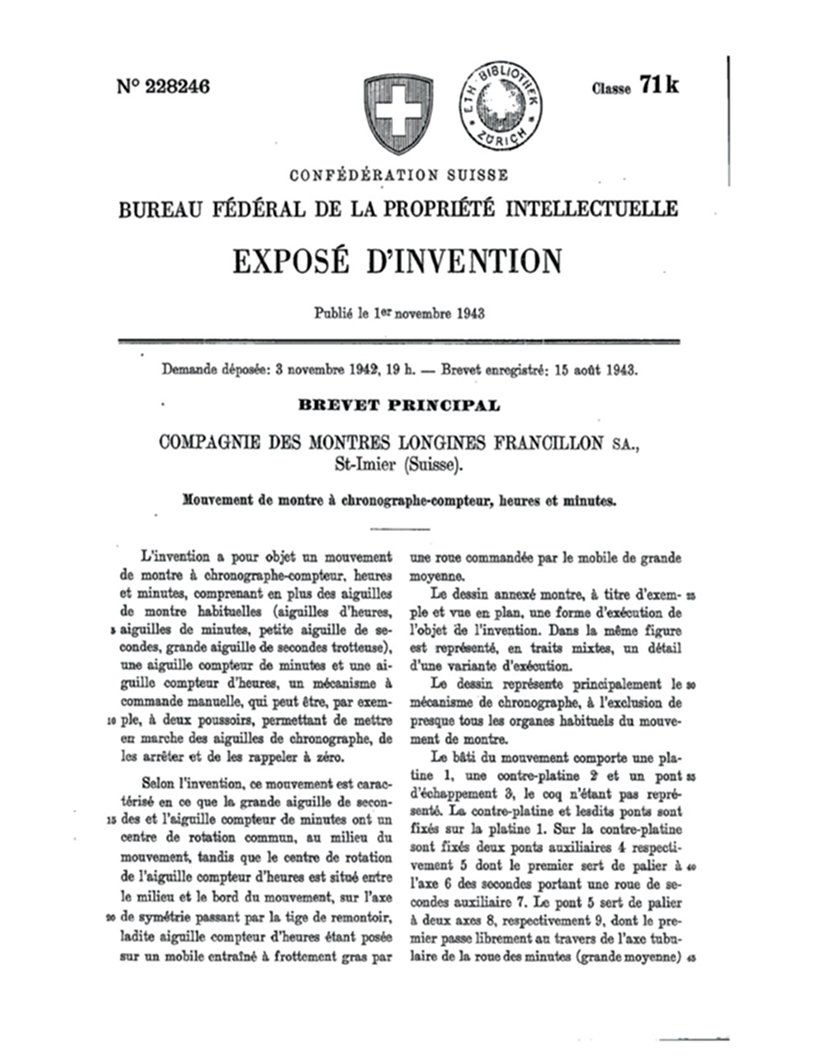
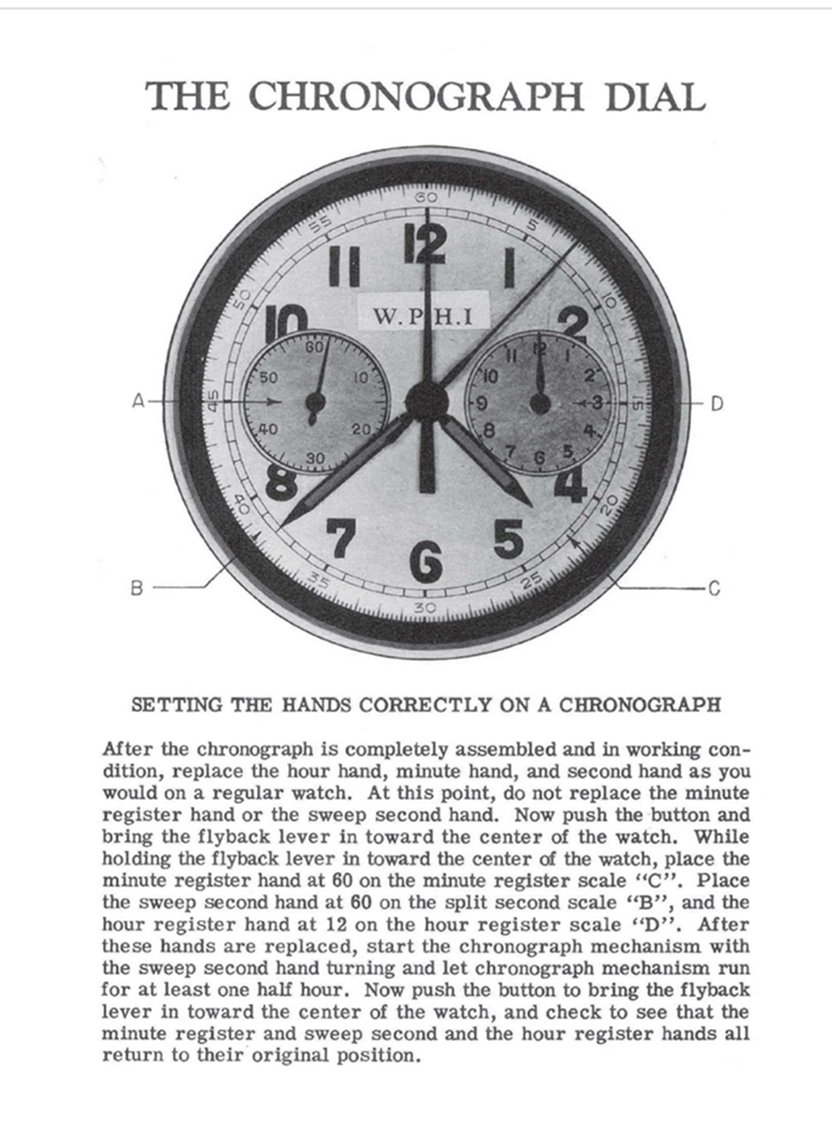
The large seconds hand (grande aiguille de secondes) and the minute counter hand share a common centre of rotation in the middle of the movement, indicating a central chronograph seconds and minutes display. The hour counter hand is positioned on a symmetrical axis passing through the stem (tige de remontoir), suggesting a sub-dial for the hour counter.
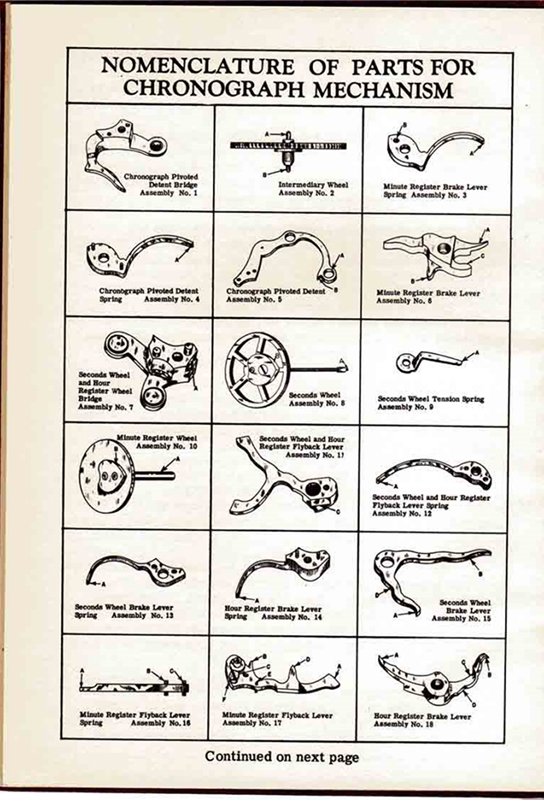
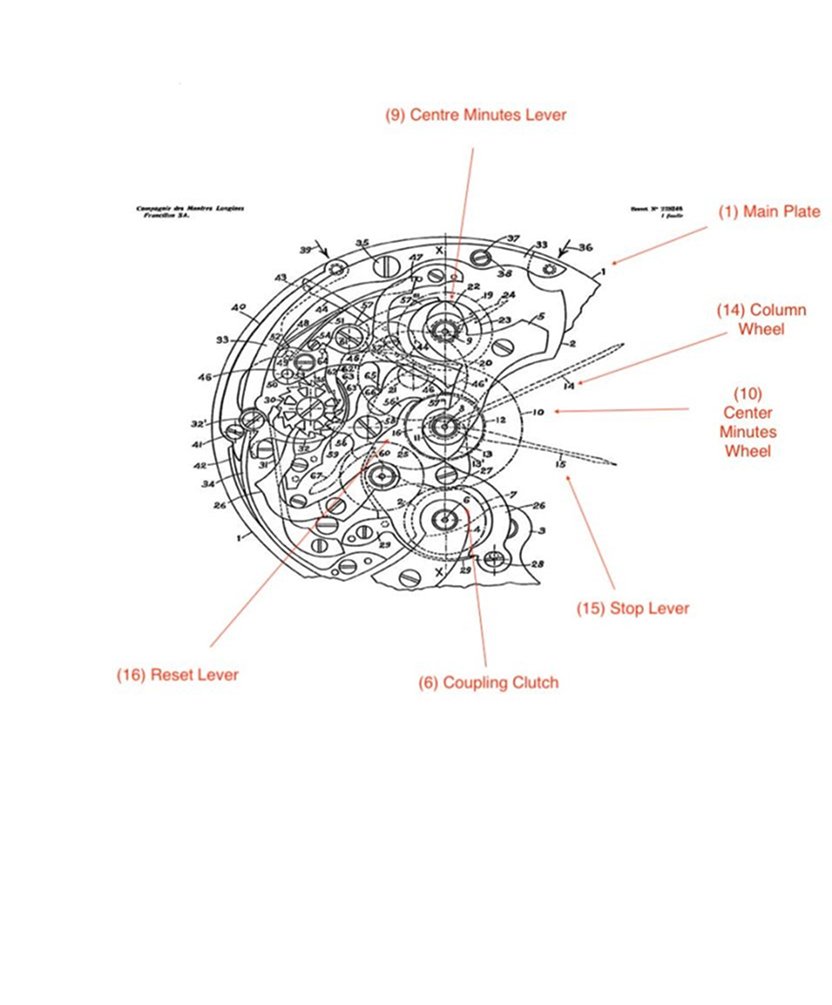
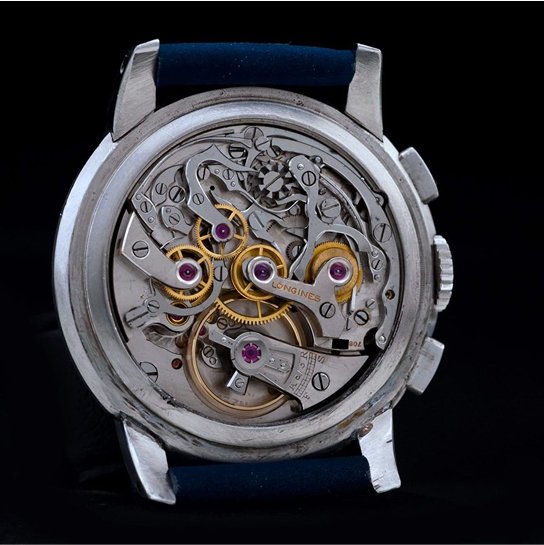
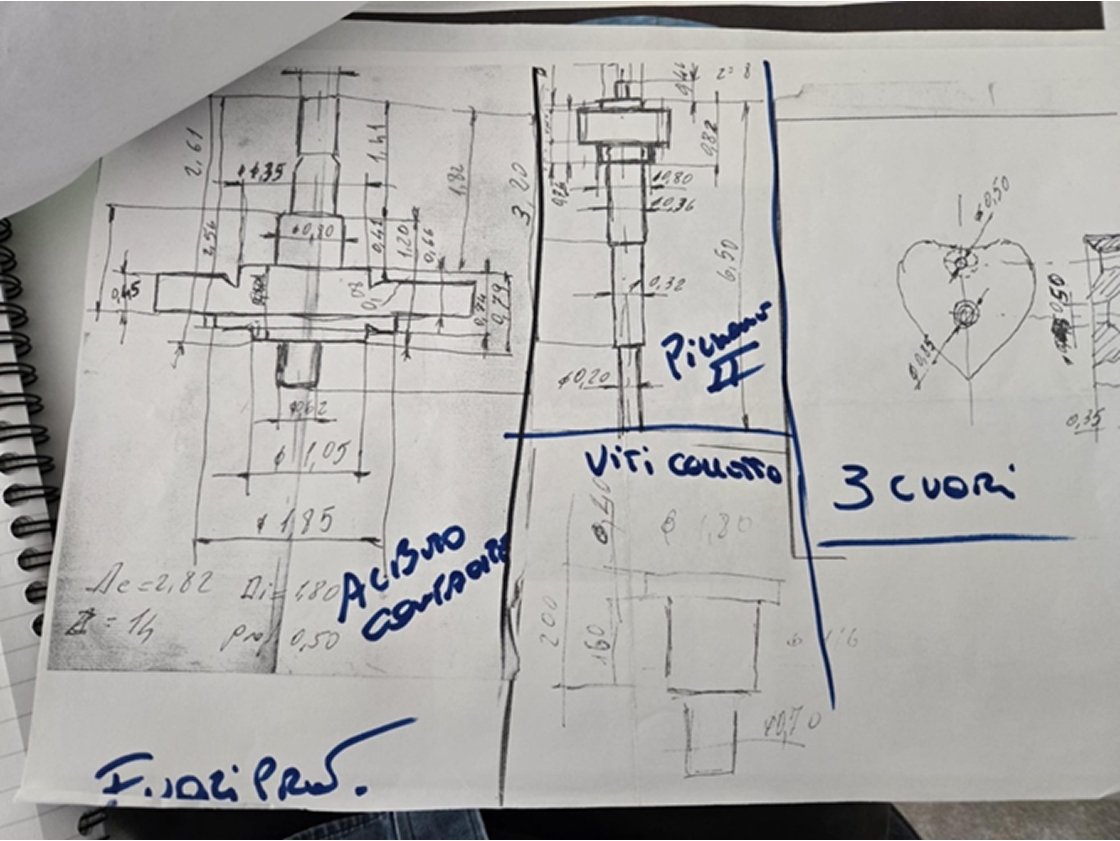
Technical details include a wheel driven by the large seconds hand, a friction mechanism to drive the minute counter hand, and components such as a counter-plate (contre-platine) and a bridge (pont) with fixed points for precise operation. An annexed drawing, not included in the image, provides a plan view and cross-sectional view of the invention, further detailing the movement’s structure.