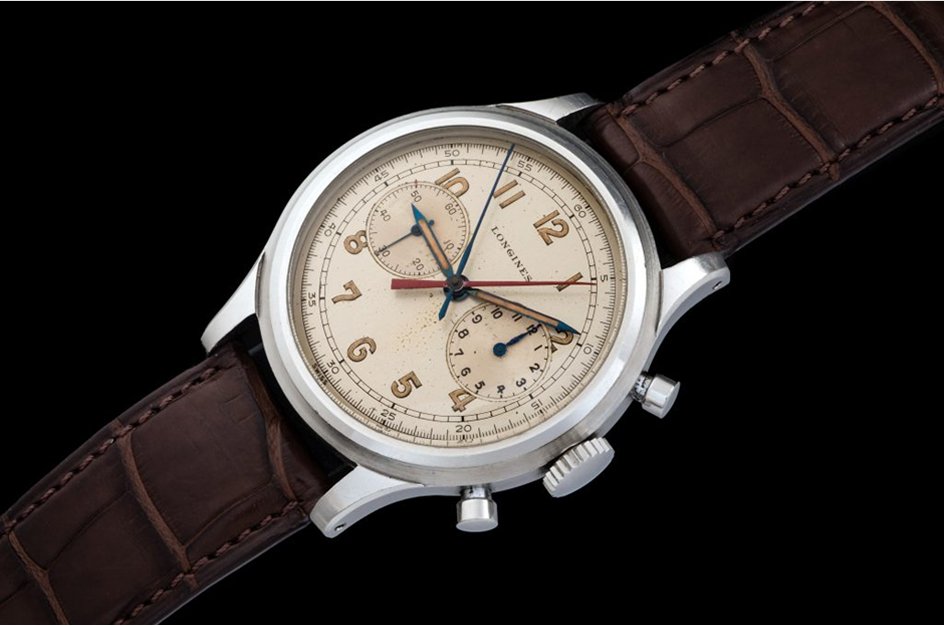
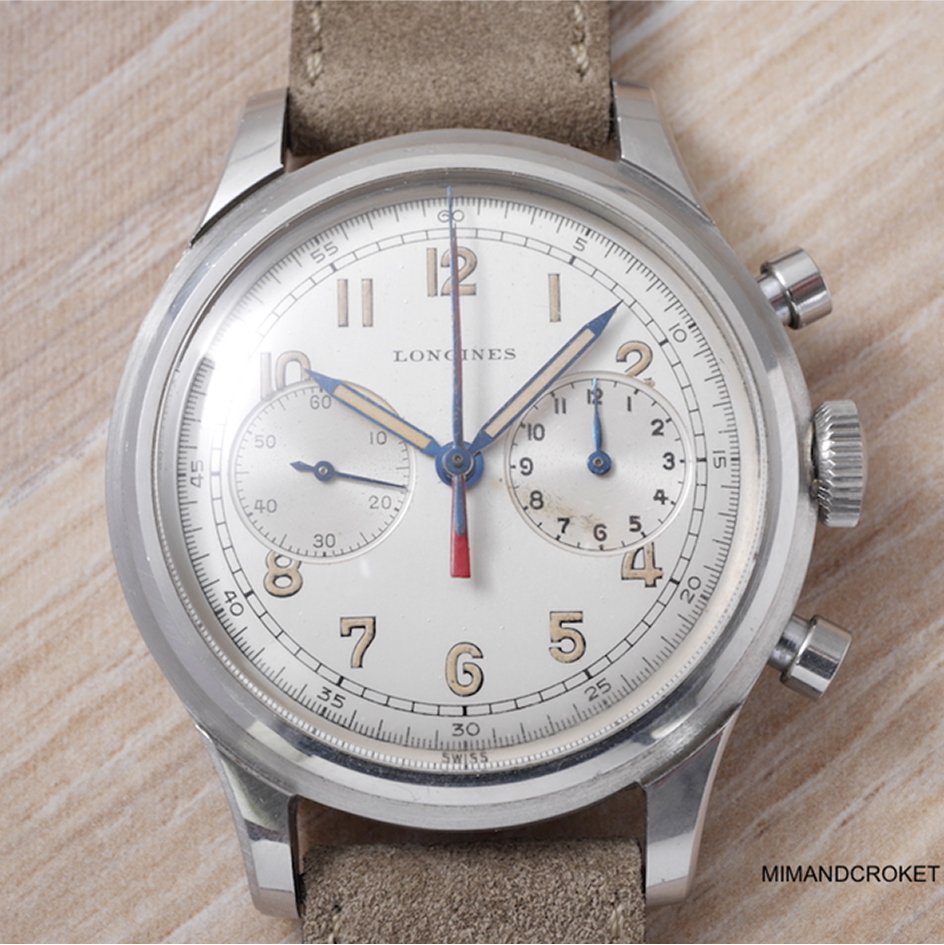
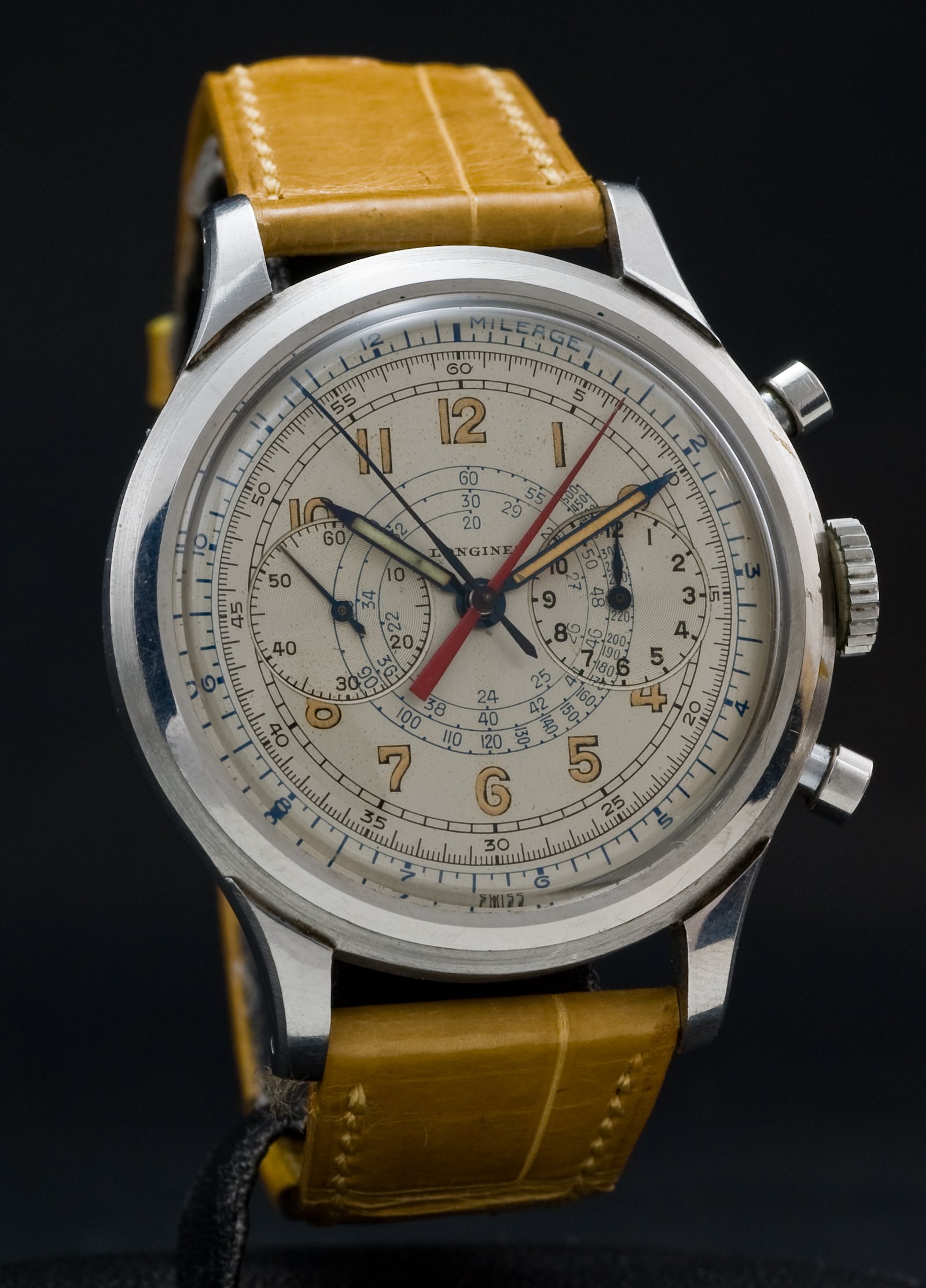
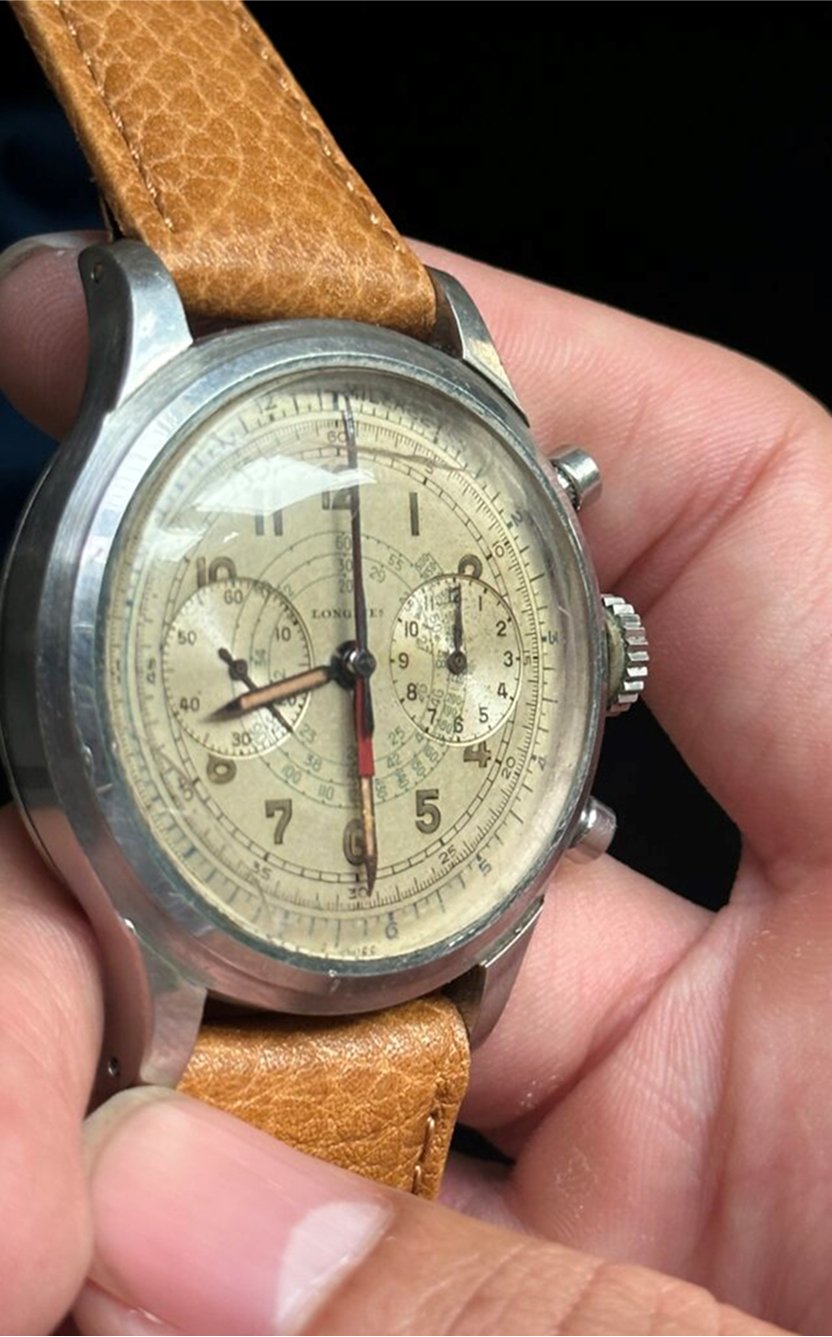
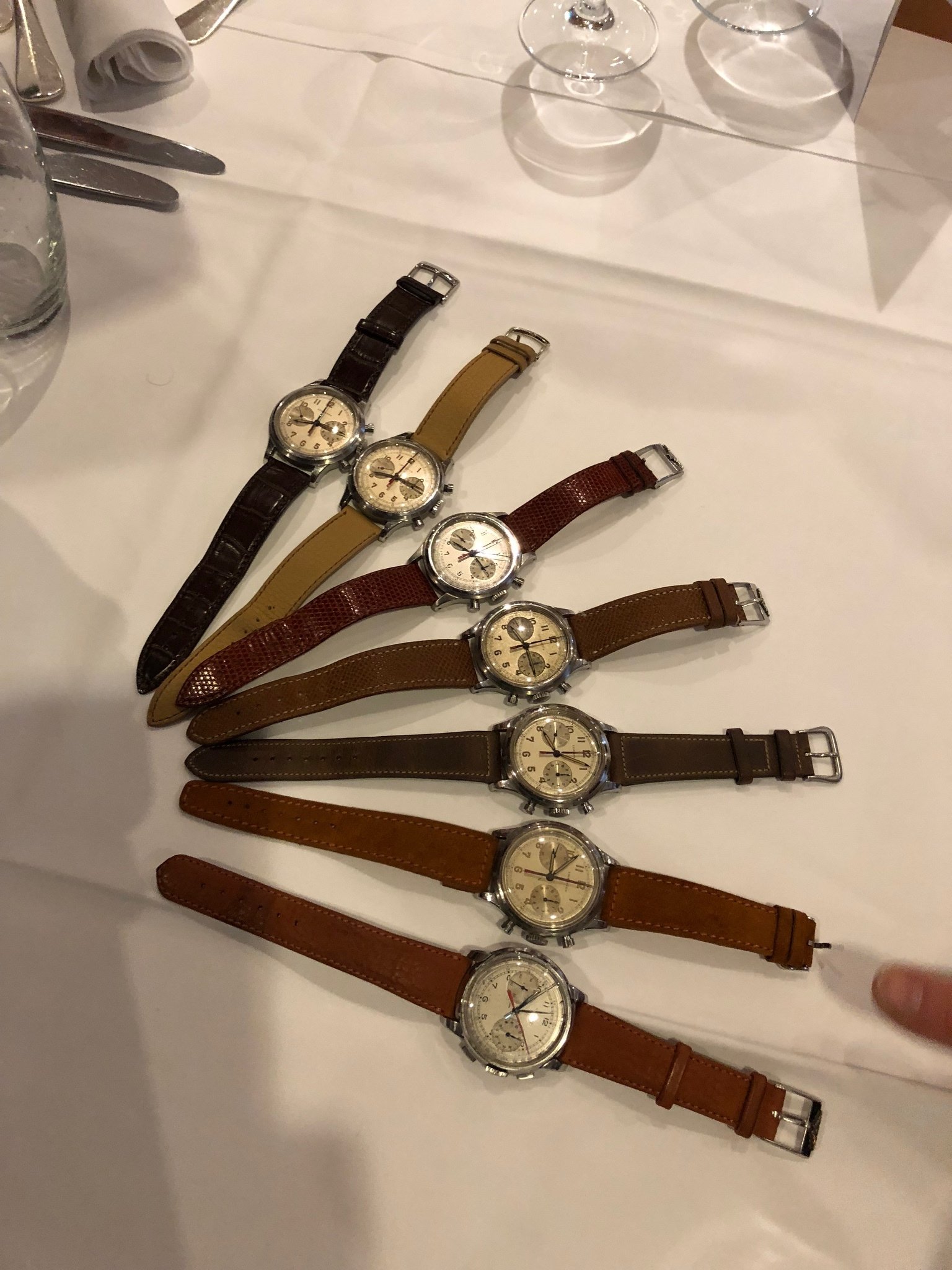
Historical Context and Market Positioning
To fully appreciate the significance of the Sommatore, one must understand the economic and commercial landscape of the mid-1940s.
1936 marked a pivotal turning point for Swiss watchmaking in general and Longines in particular. The devaluation of the Swiss Franc in September of that year, coupled with the establishment of new commercial agreements with the United States that ended the ultra-protectionist Hawley-Smoot tariffs, fundamentally altered the dynamics of transatlantic watch trade.
It was against this backdrop that the A. Wittnauer Company, Longines’ American distributor since the 19th century, was acquired by the Hella-Deltah Company in 1936. This acquisition led to the formation of the Longines-Wittnauer Company, a partnership that would prove instrumental in establishing Longines as a dominant force in the American market. By the end of the 1930s, this relationship had become so successful that the United States represented approximately 65% of Longines’ global sales volume, a staggering concentration that would directly influence the development and distribution of the Sommatore.
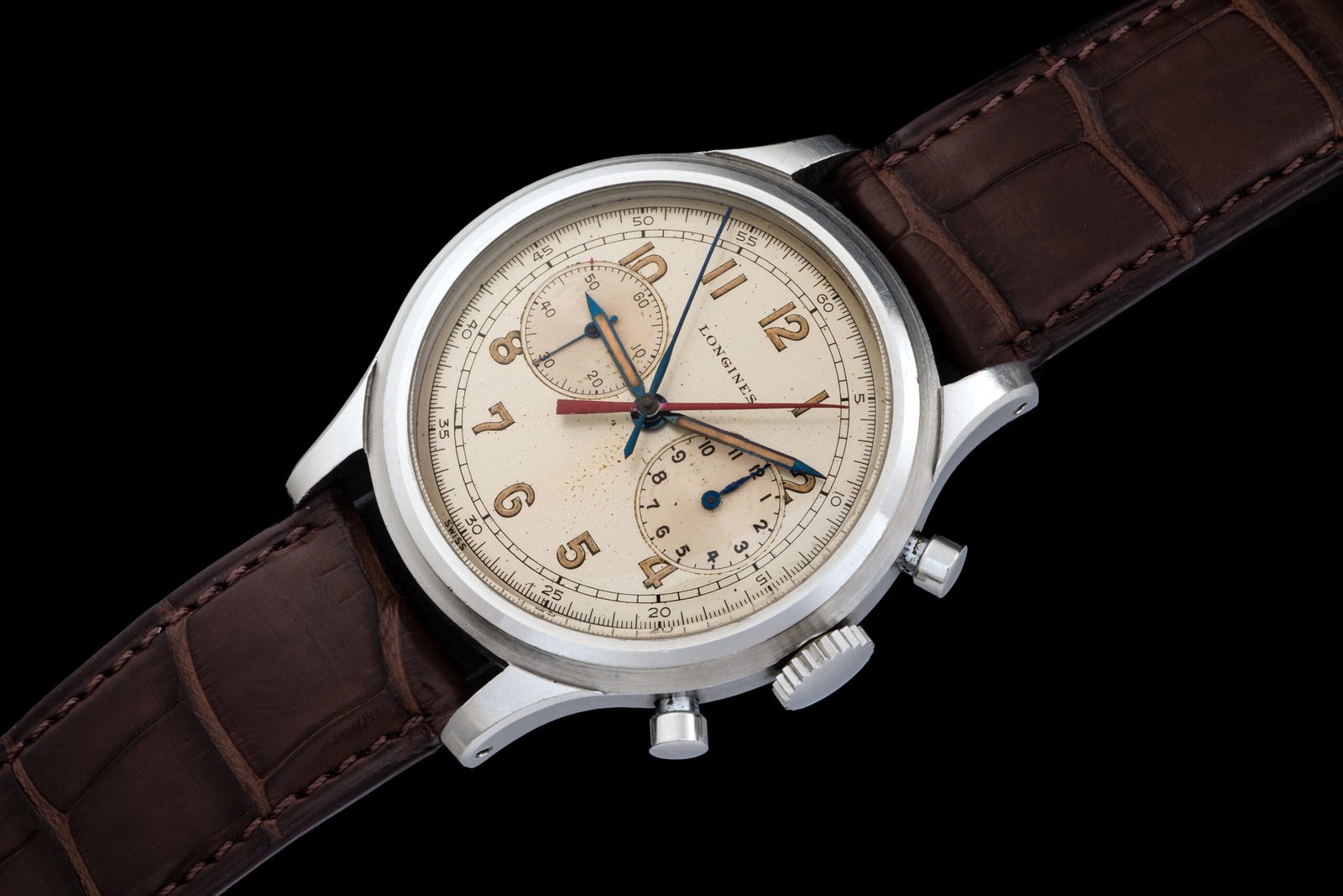
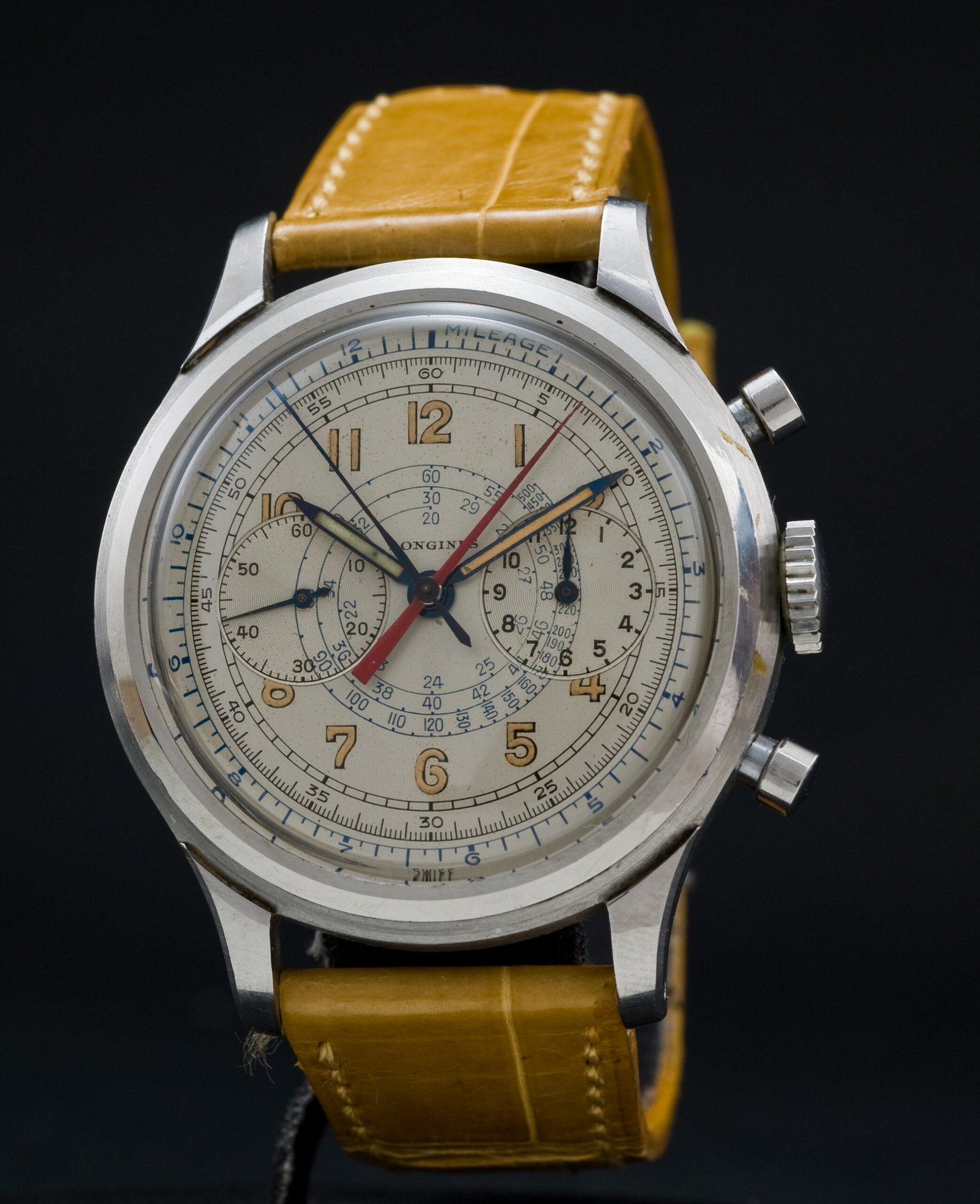
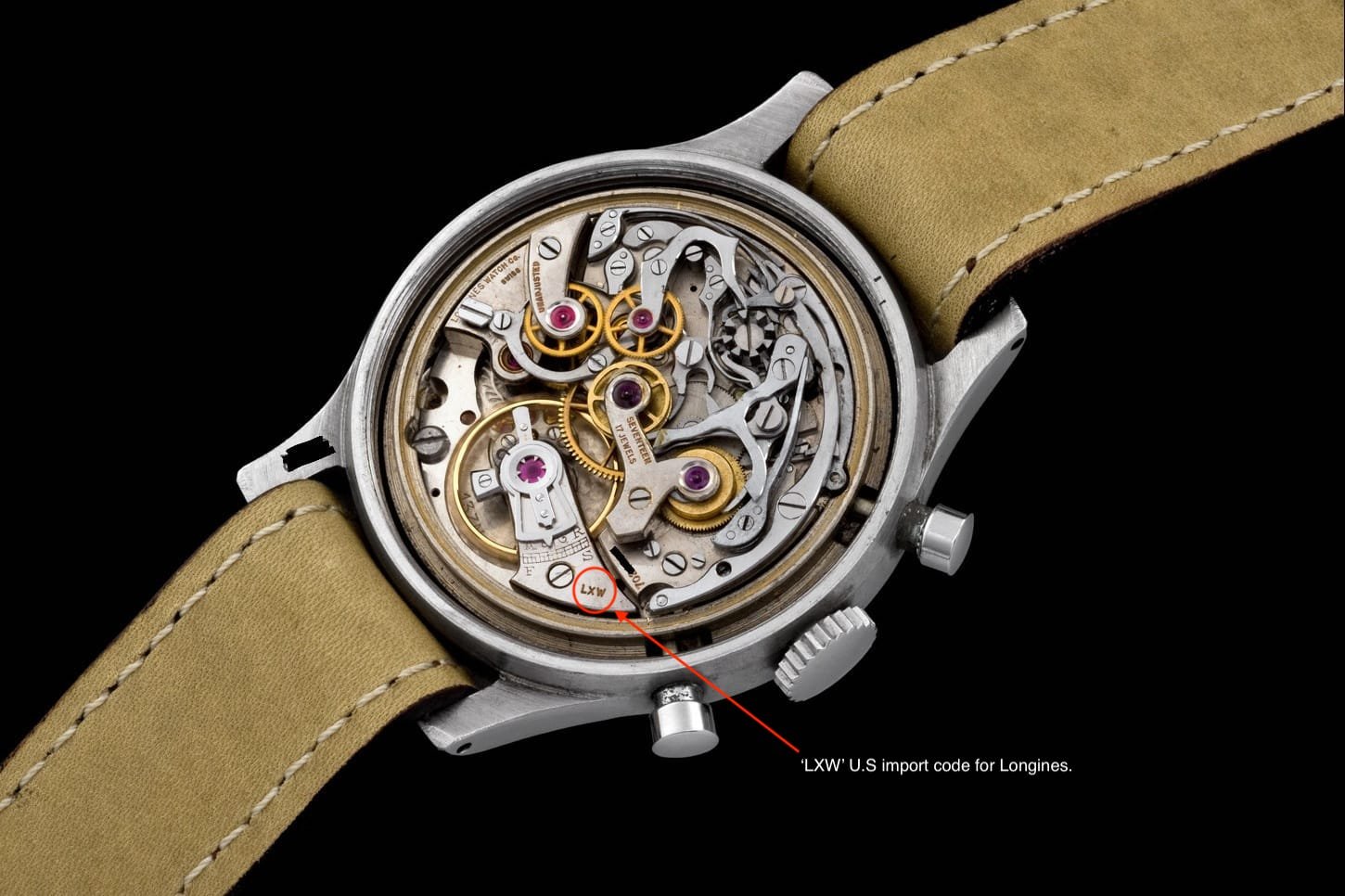
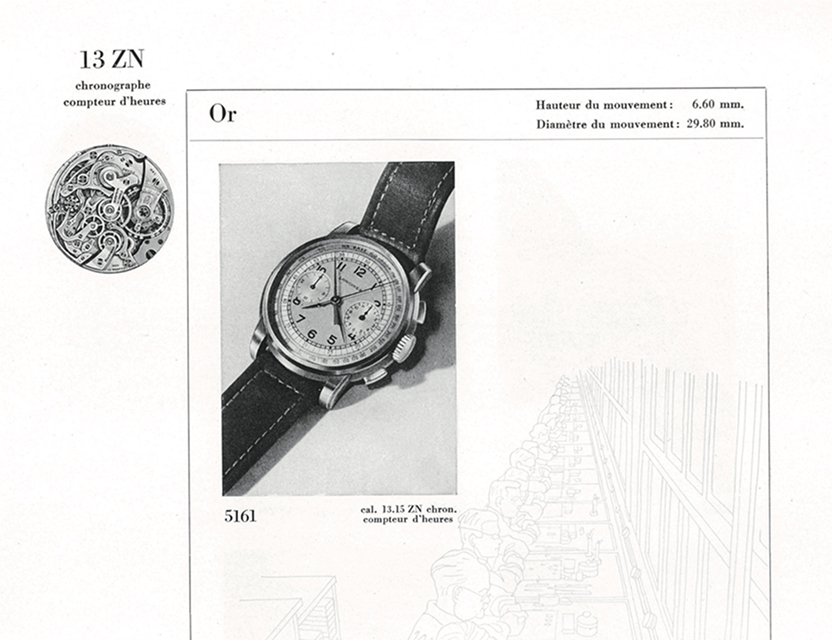
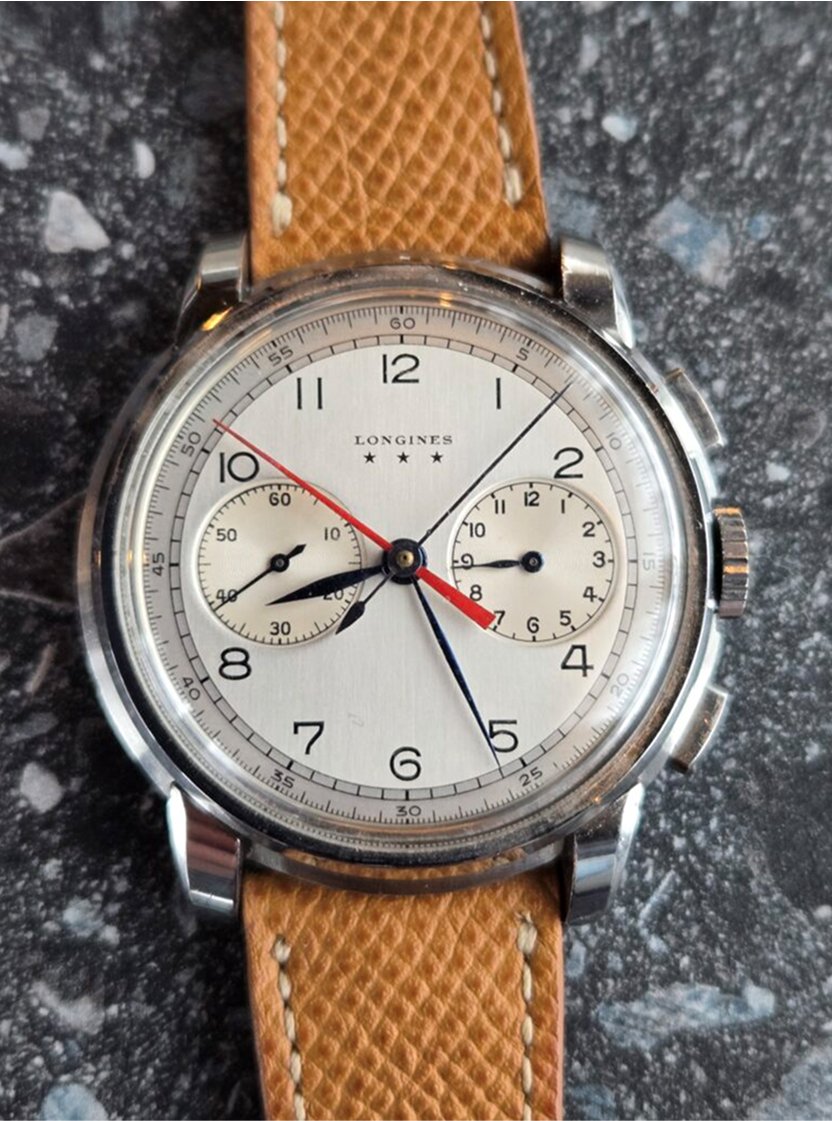
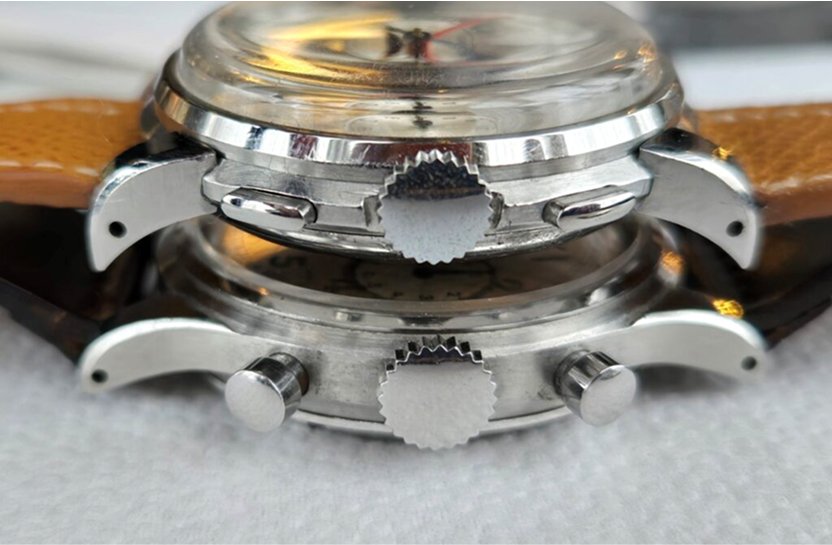
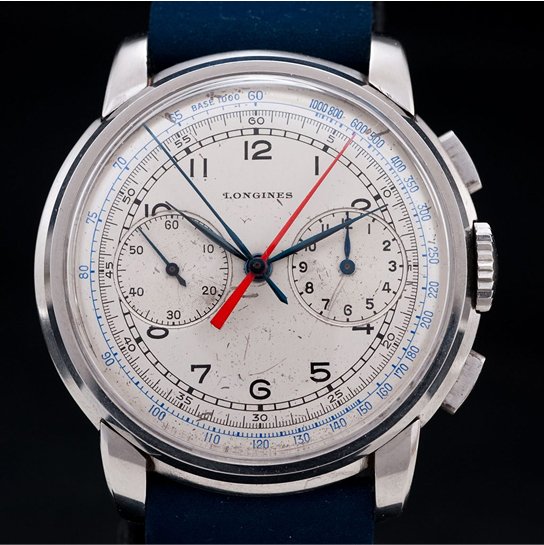
The 13ZN-12’s development must also be viewed within the context of Longines’ broader chronograph program. The company had spent the previous decade refining its waterproof chronograph offerings, from the early experiments with moisture-resistant cases to the successful “Tre Tacche” of the early 1940s. Each iteration brought improvements in case sealing, pusher design, and movement protection. The Sommatore represented the apotheosis of this development cycle, incorporating every lesson learned while adding the revolutionary central minutes function.
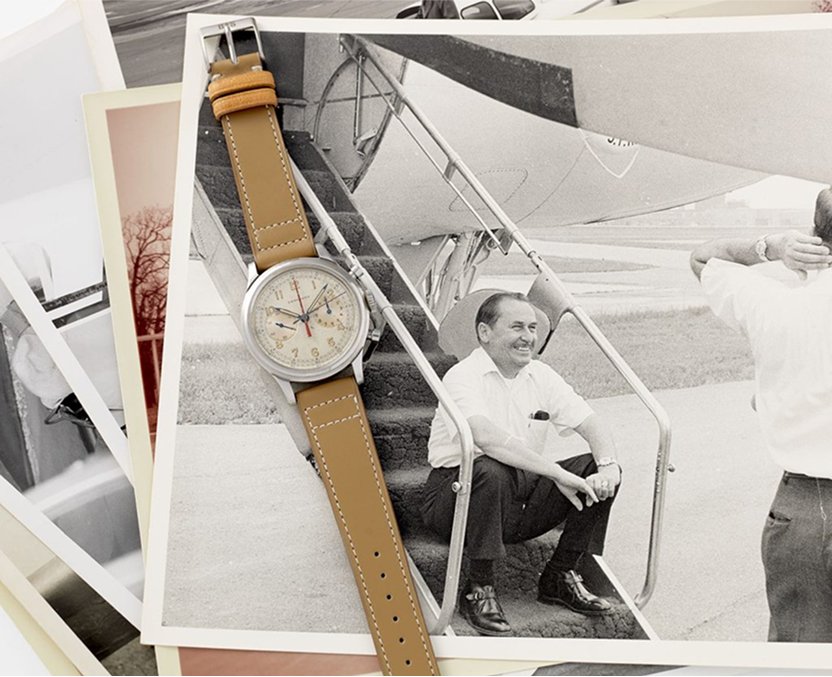
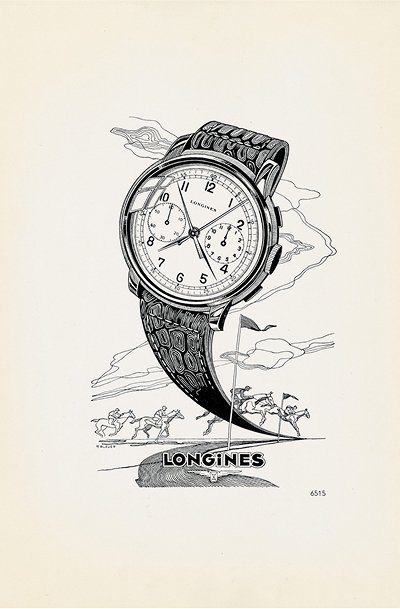
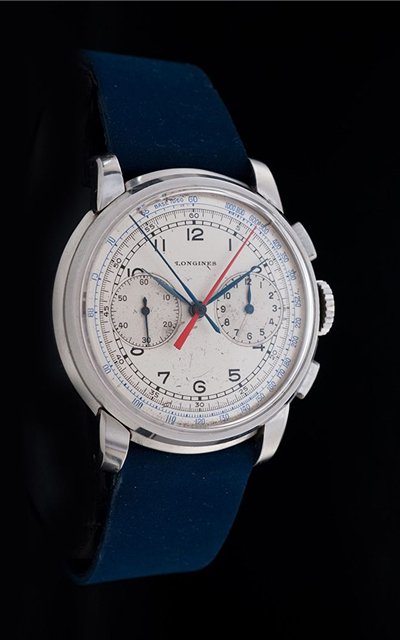
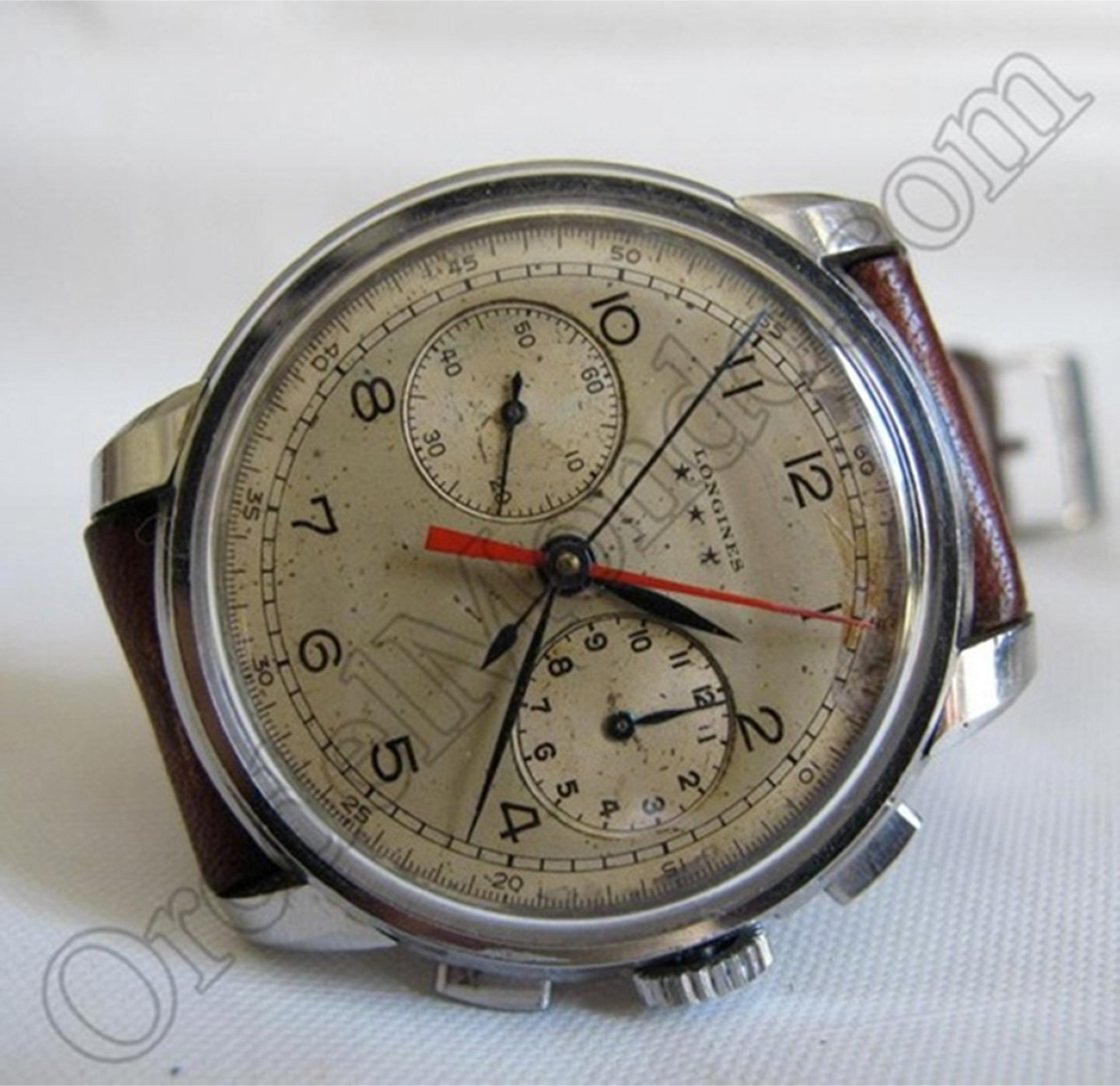
The timing of the Sommatore’s introduction, immediately following World War II, was no coincidence. The war had accelerated technological development across numerous fields, and precision timing instruments had proven their worth in countless military applications. American military pilots, in particular, had come to rely on accurate chronographs for navigation and mission timing. Longines, through its Wittnauer partnership, was perfectly positioned to capitalize on this demand with a chronograph that offered enhanced legibility through its central minute display.
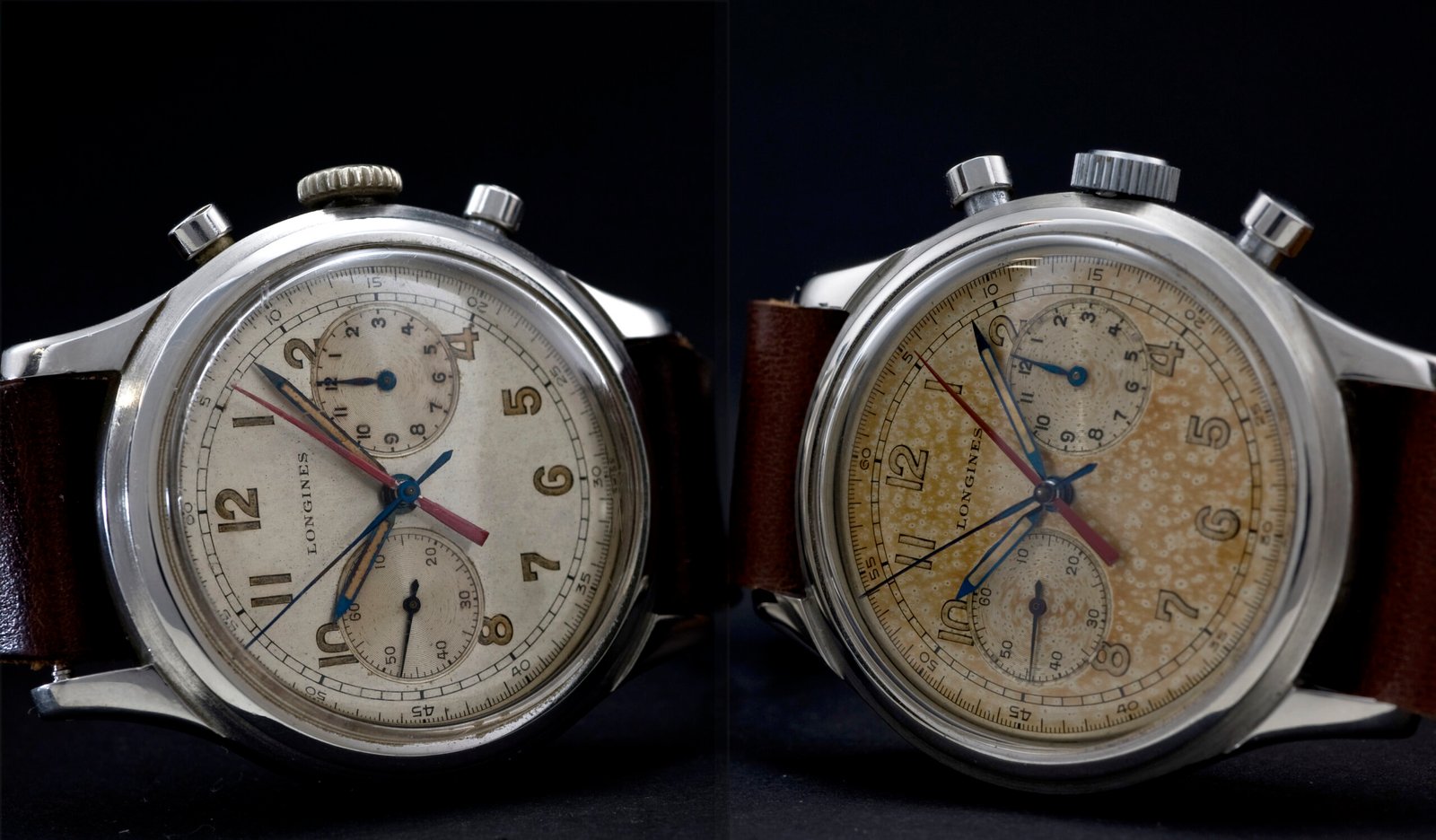
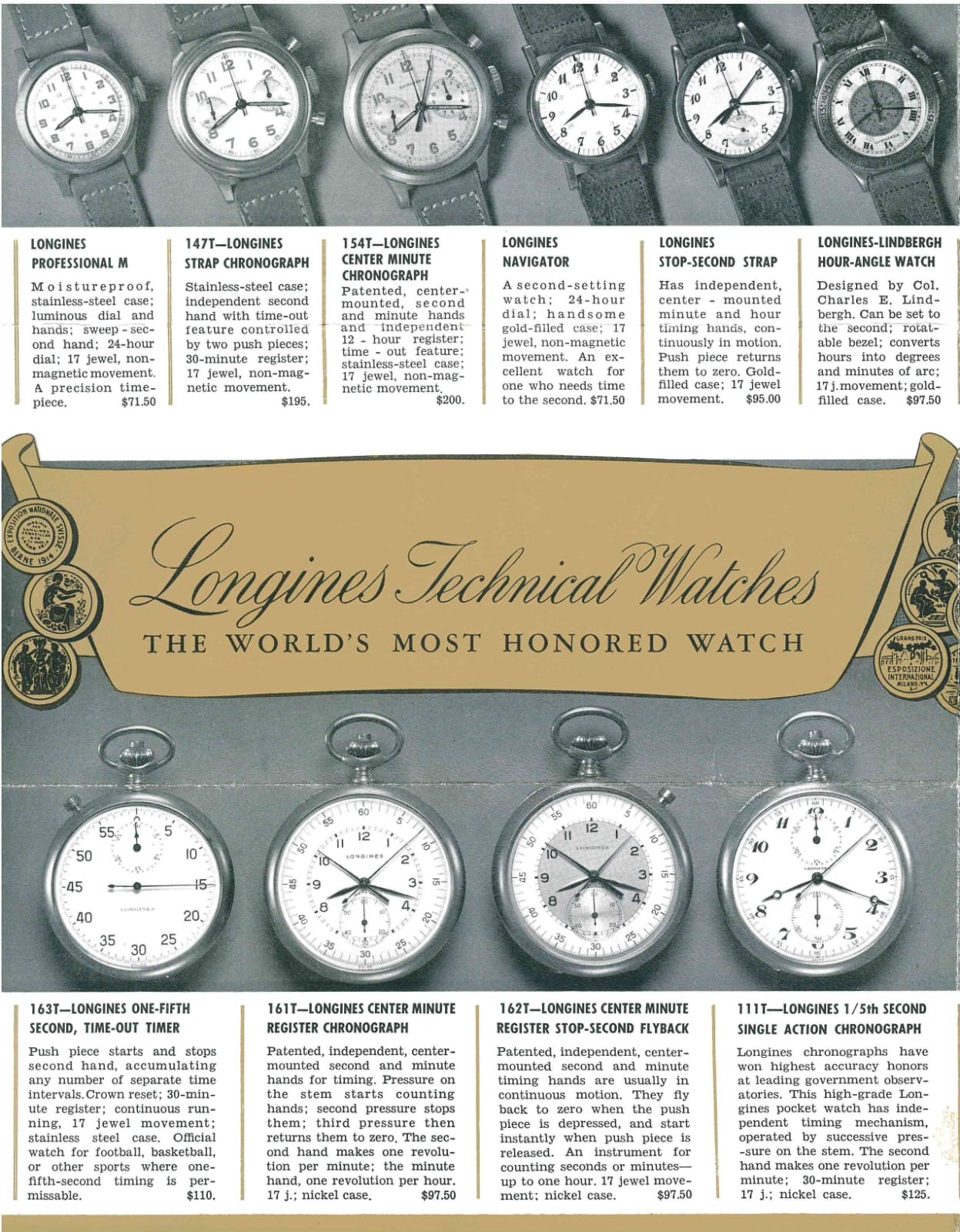
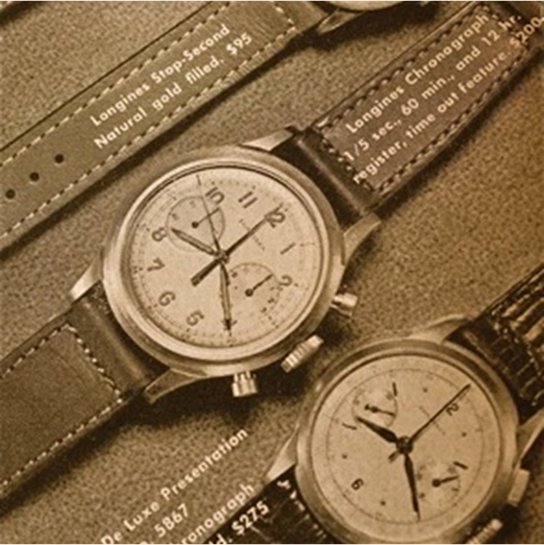
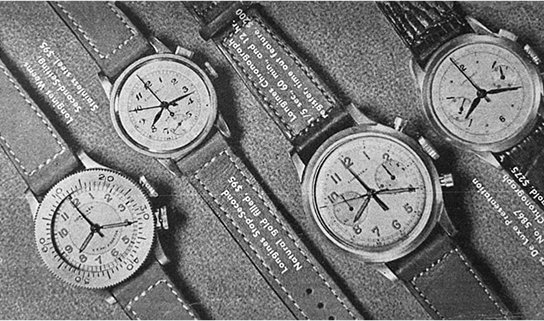
Pricing strategy reveals much about Longines’ positioning of the Sommatore. At $200 in 1945 (equivalent to approximately $3,300 today), the reference 5699 was positioned as a premium product, reflecting not just the complexity of the movement but also Longines’ confidence in the American market’s willingness to pay for superior functionality and construction. This pricing placed it at more than double the cost of contemporary offerings from competitors, establishing it firmly in the luxury tool watch category.
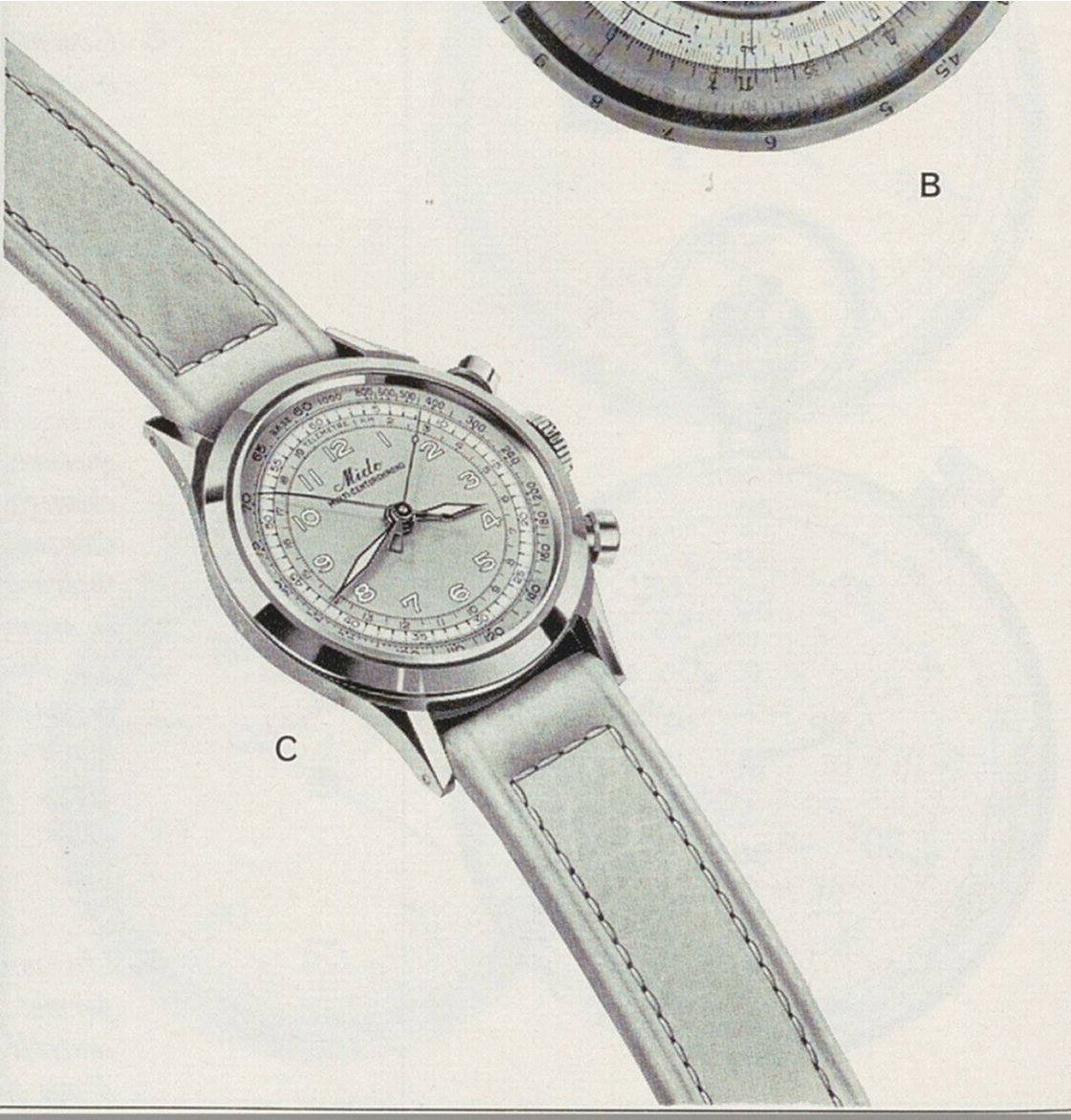
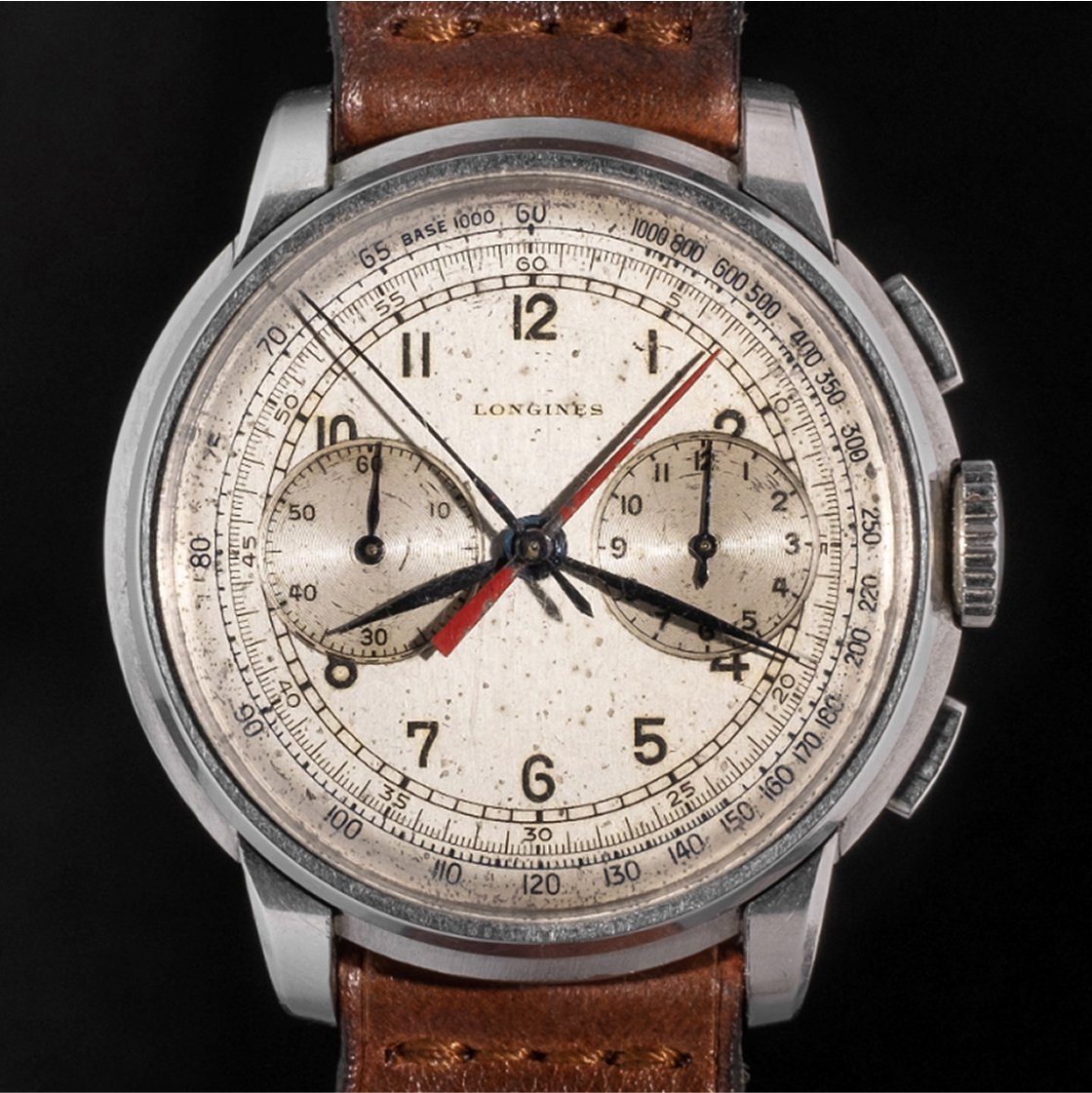
It’s worth briefly noting the other central-minute chronographs from the period, as Longines was not the only manufacturer experimenting with this unusual but highly functional design. One of the few comparable pieces to the 13ZN-12 “Sommatore” is the Mido Multi-Centerchrono, which also featured both chronograph seconds and minutes coaxially mounted at the centre.
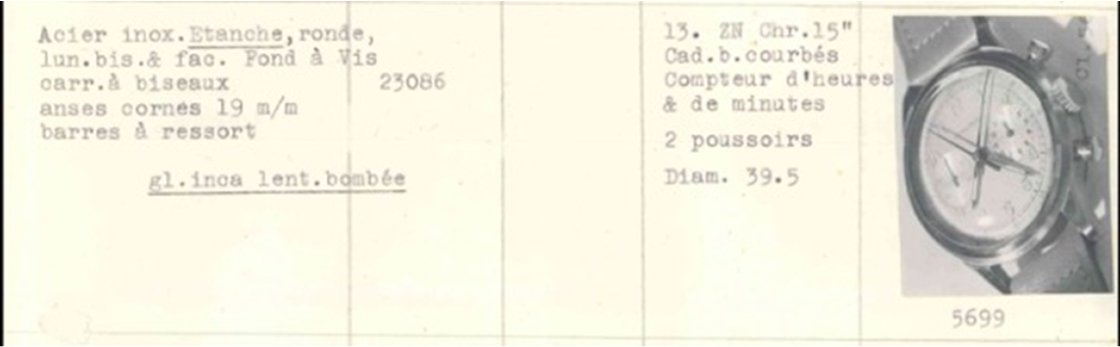
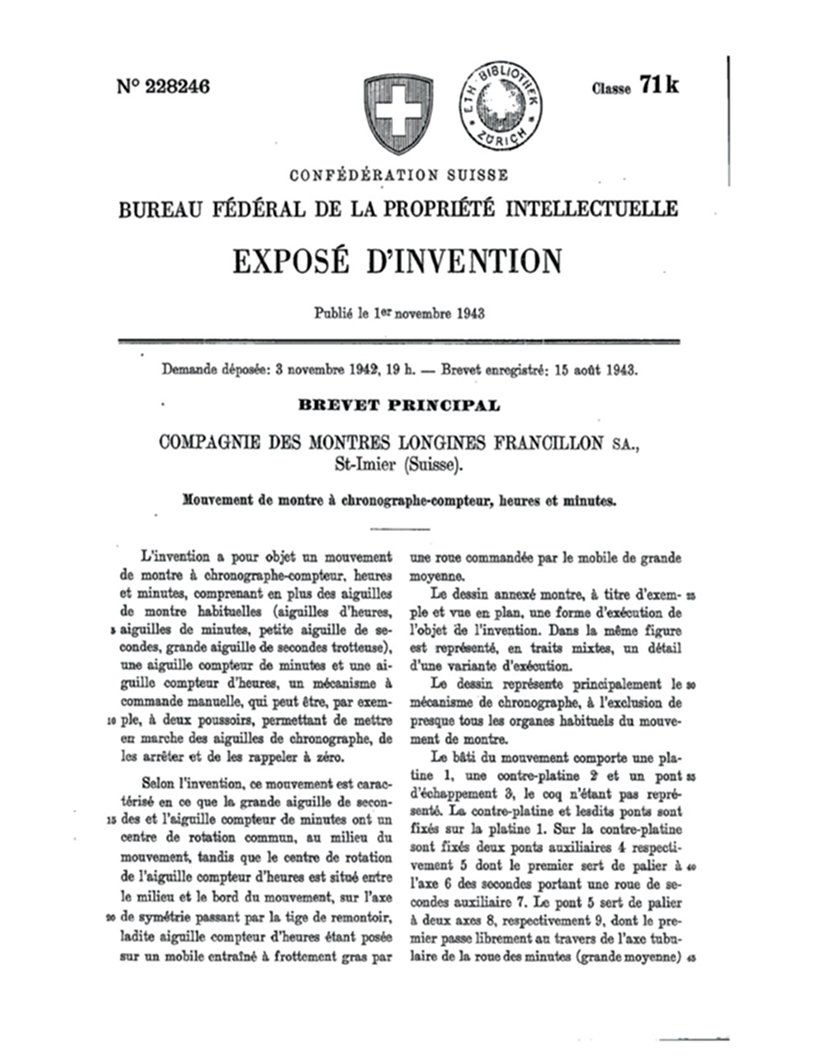
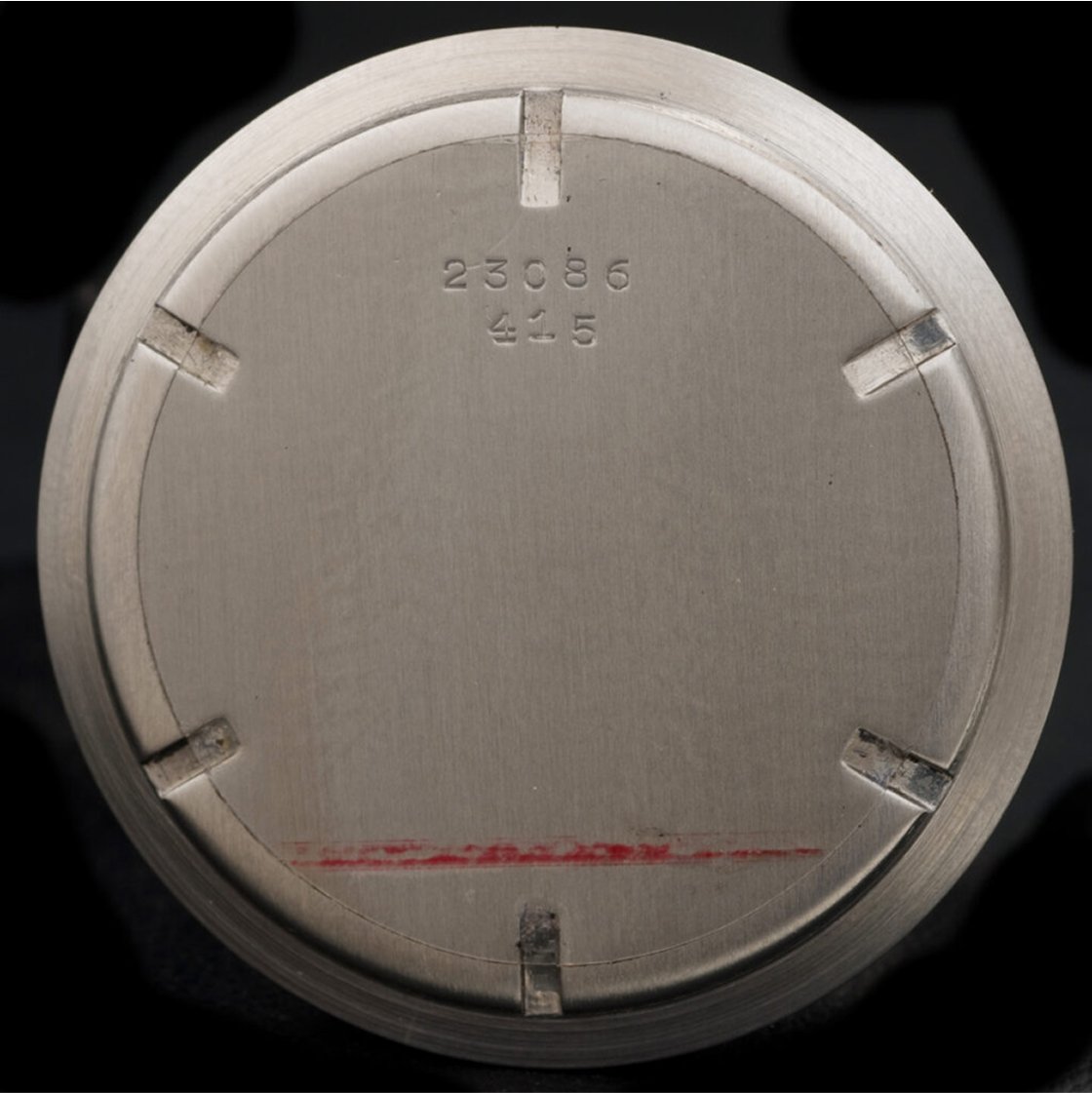
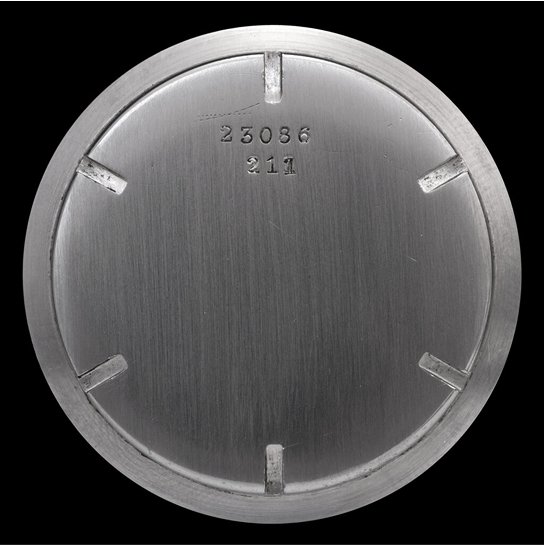
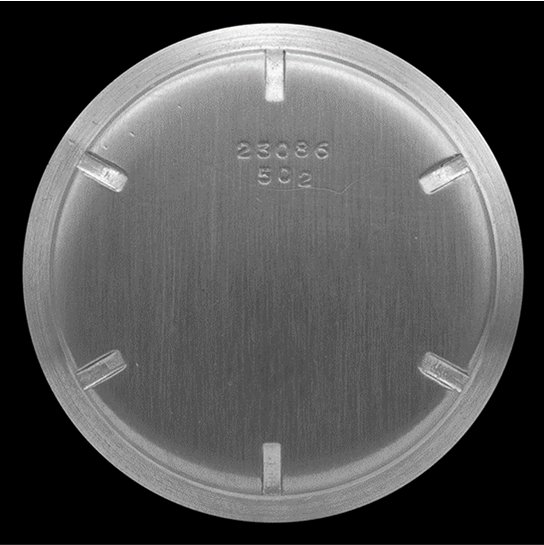
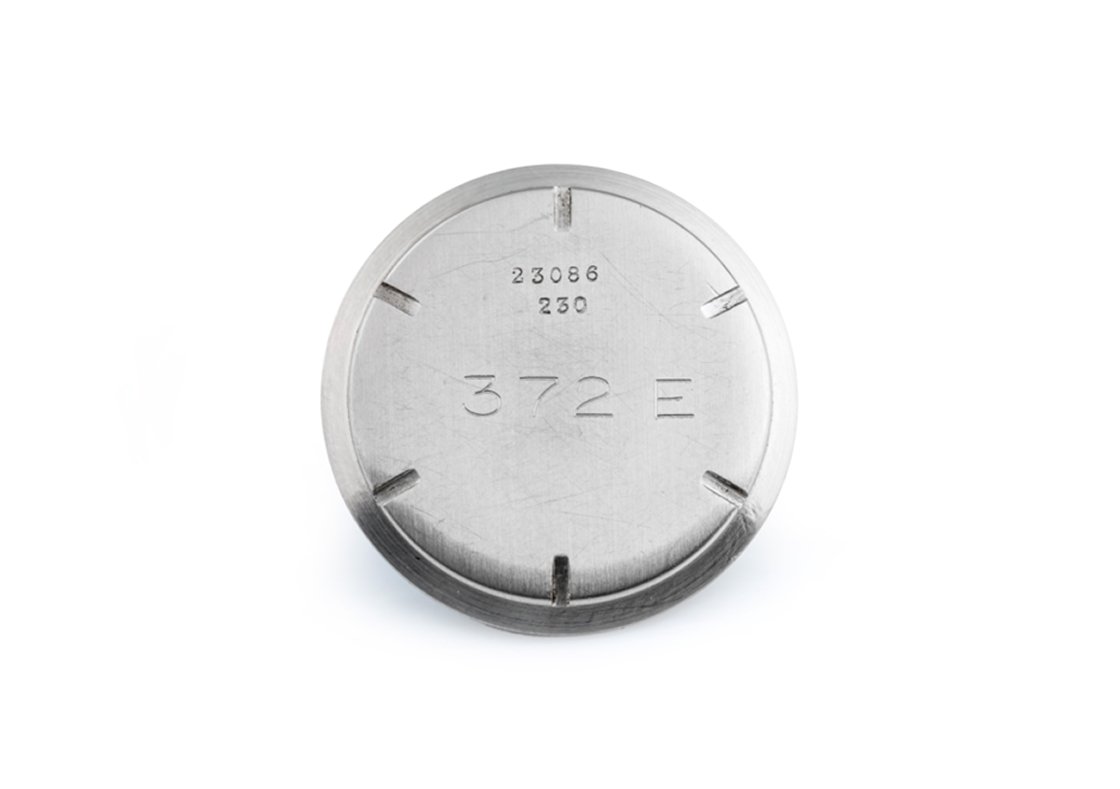
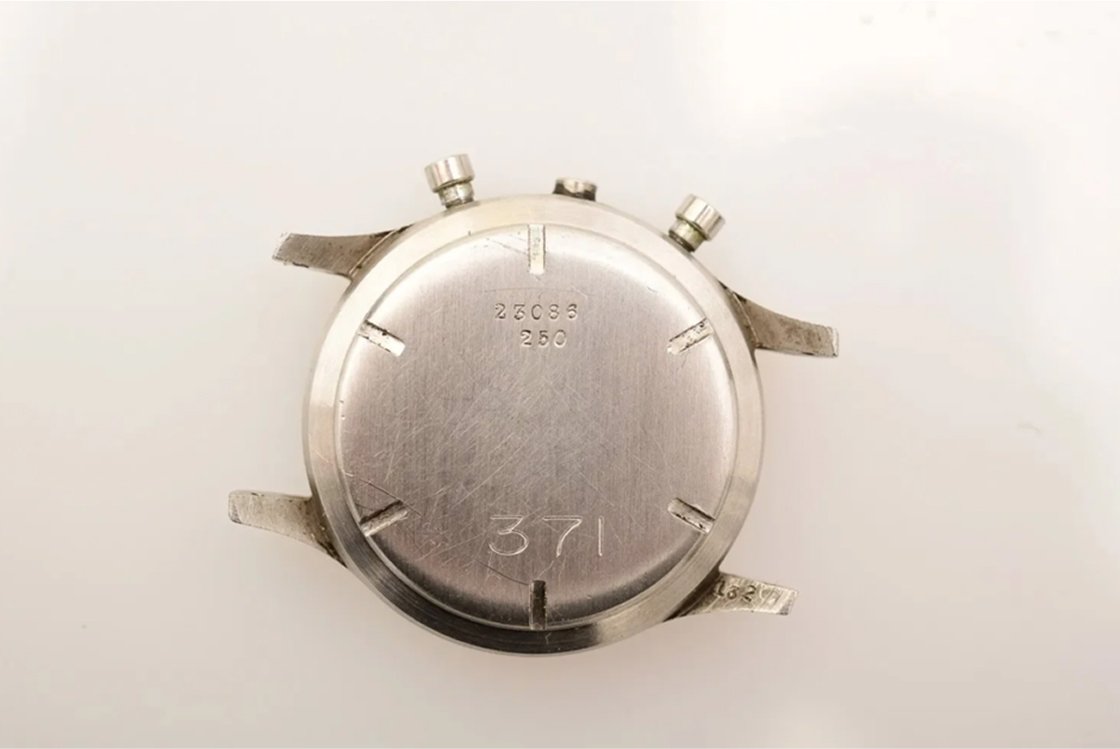
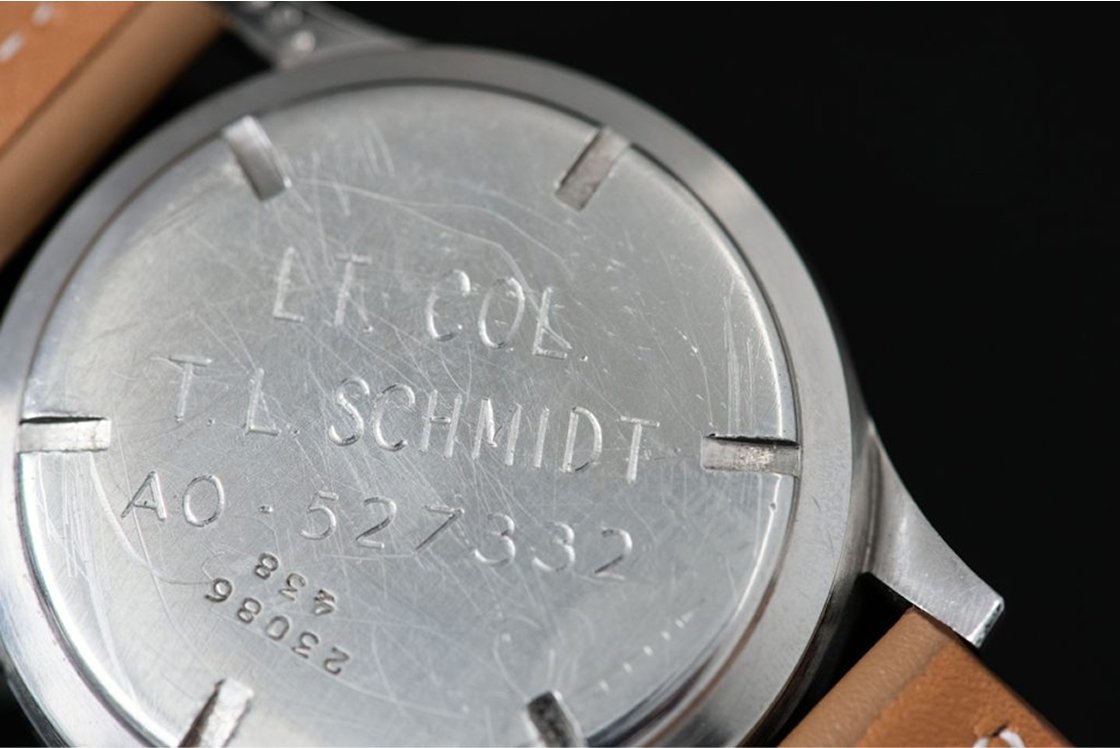
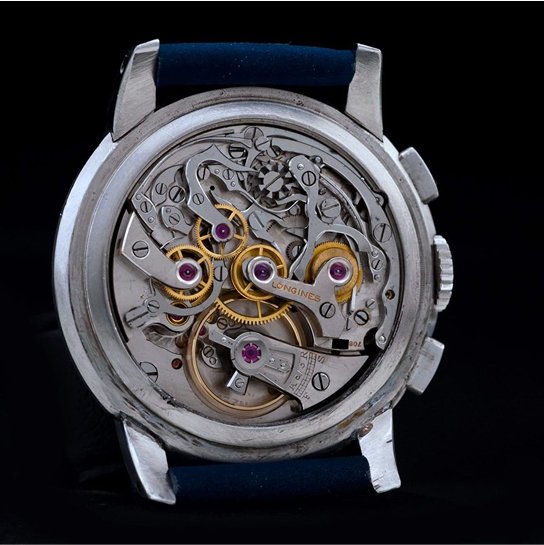
Interestingly, Mido’s watch predates the Longines 13ZN-12 in terms of commercial release, first appearing around 1941, several years before Longines delivered order 23086 to Wittnauer in 1945. That said, while Mido may have been first to market with the concept, the execution was worlds apart. Where Longines developed a completely in-house solution protected by patents, Mido adapted existing ébauches from suppliers like Valjoux and Venus. This fundamental difference in approach resulted in dramatically different executions.
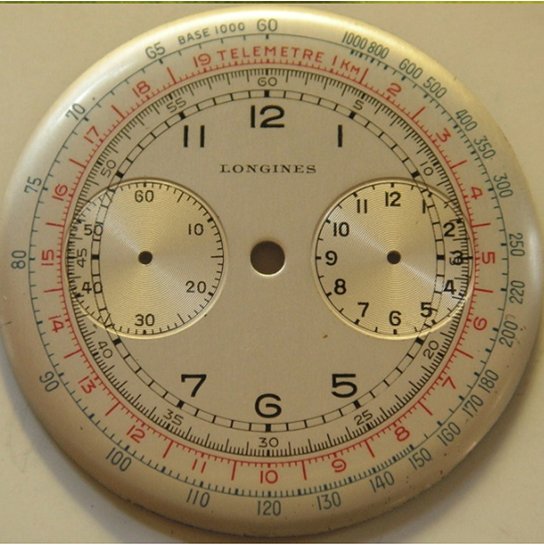
The Mido was a clever and economical design using modified third-party calibers, resulting in a smaller, more compact watch (around 35mm) usually found in elegant cases aimed more at professionals and civilians than military applications. Its charm lies in its simplicity and wearability, with some examples featuring telemeter scales (for measuring distance by sound) or pulsation scales (for medical use), but without the robustness or visual punch of the Longines.
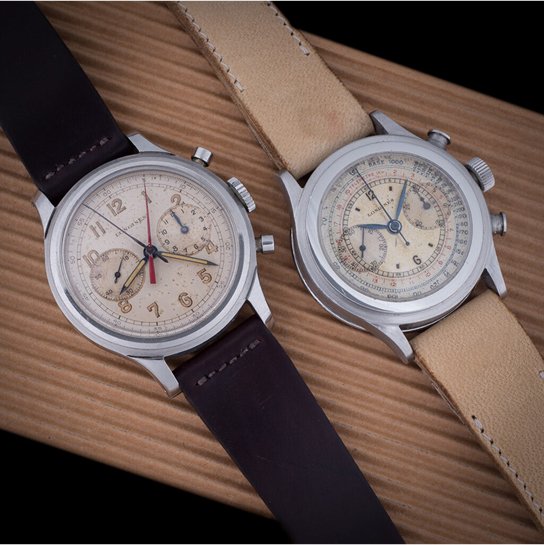
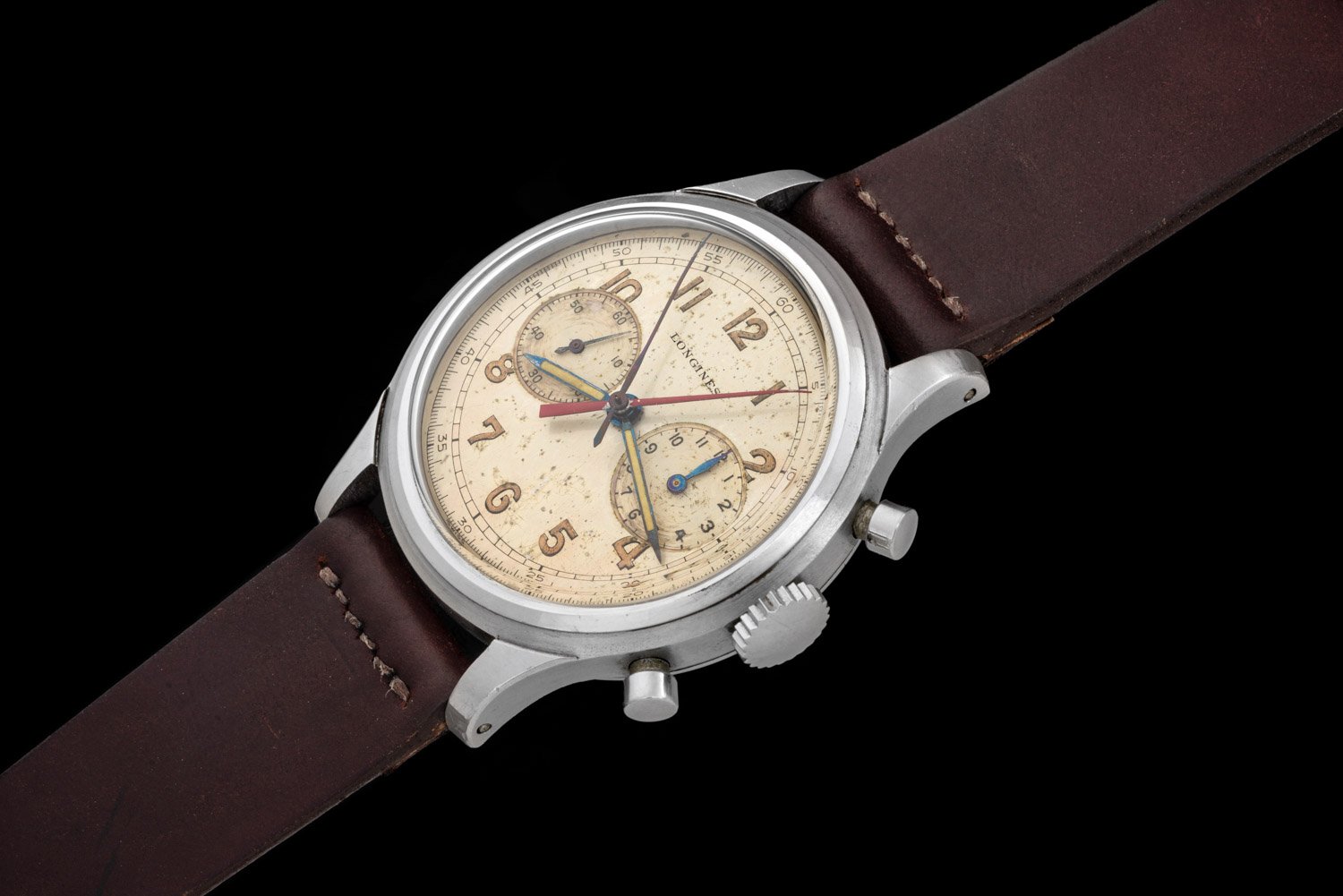
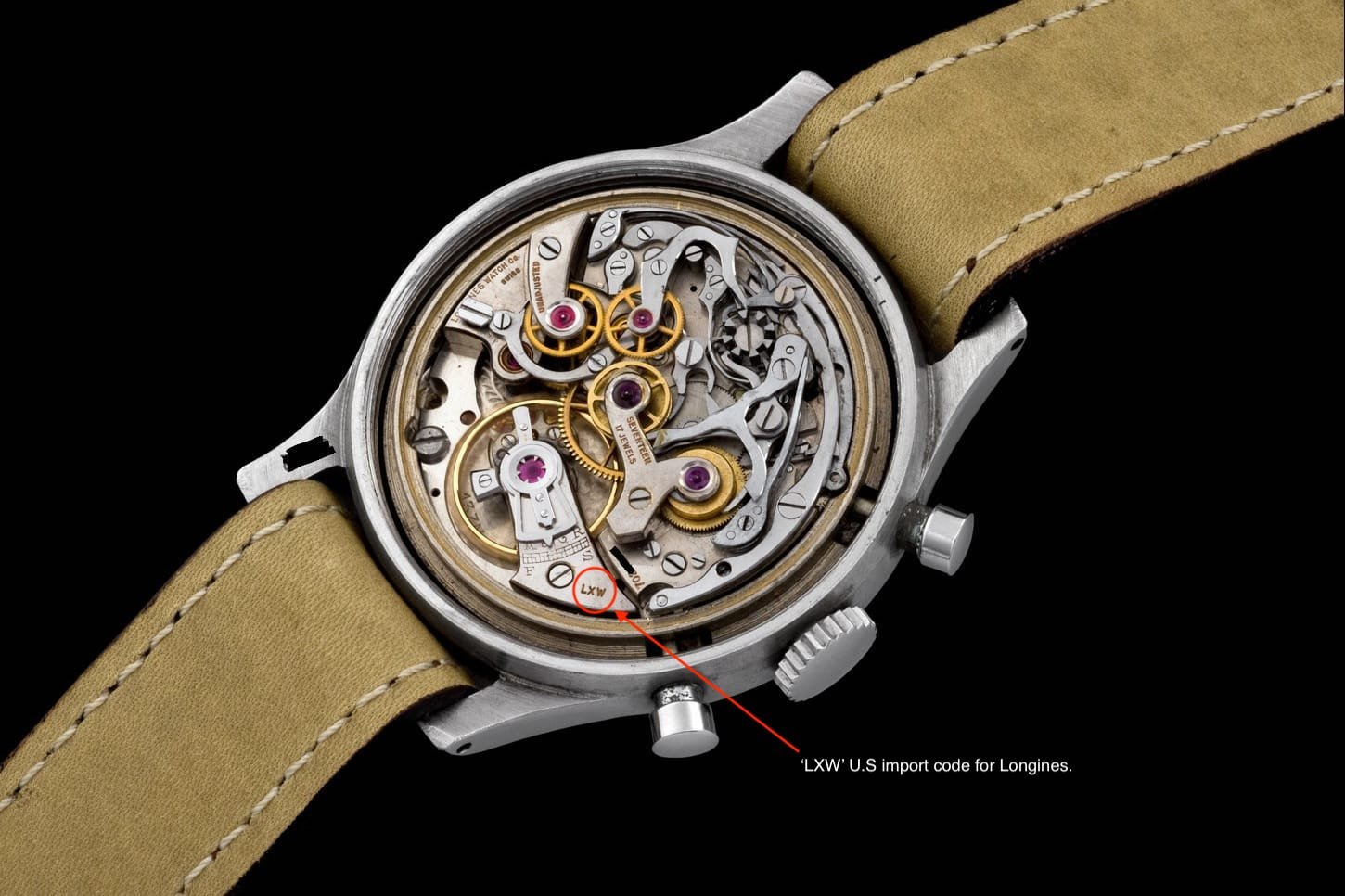
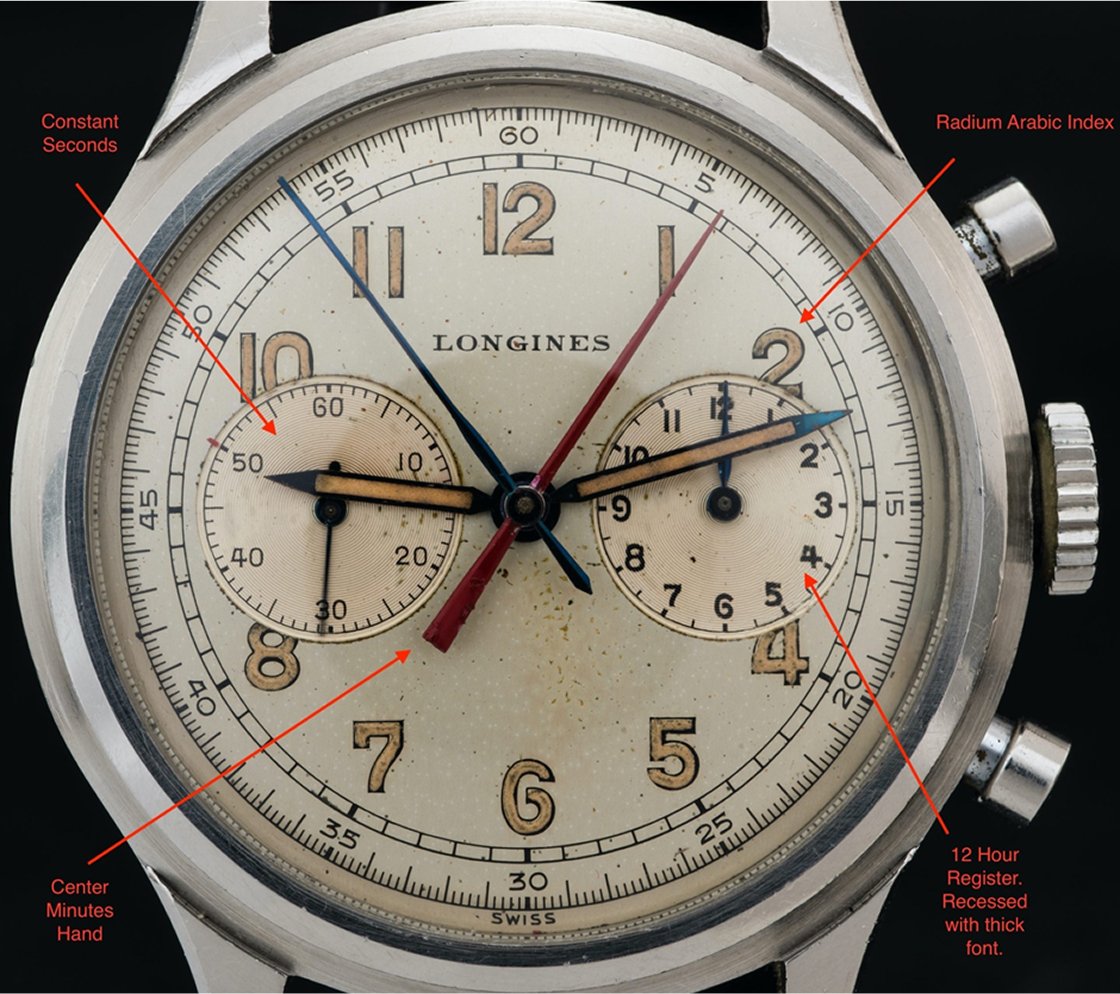
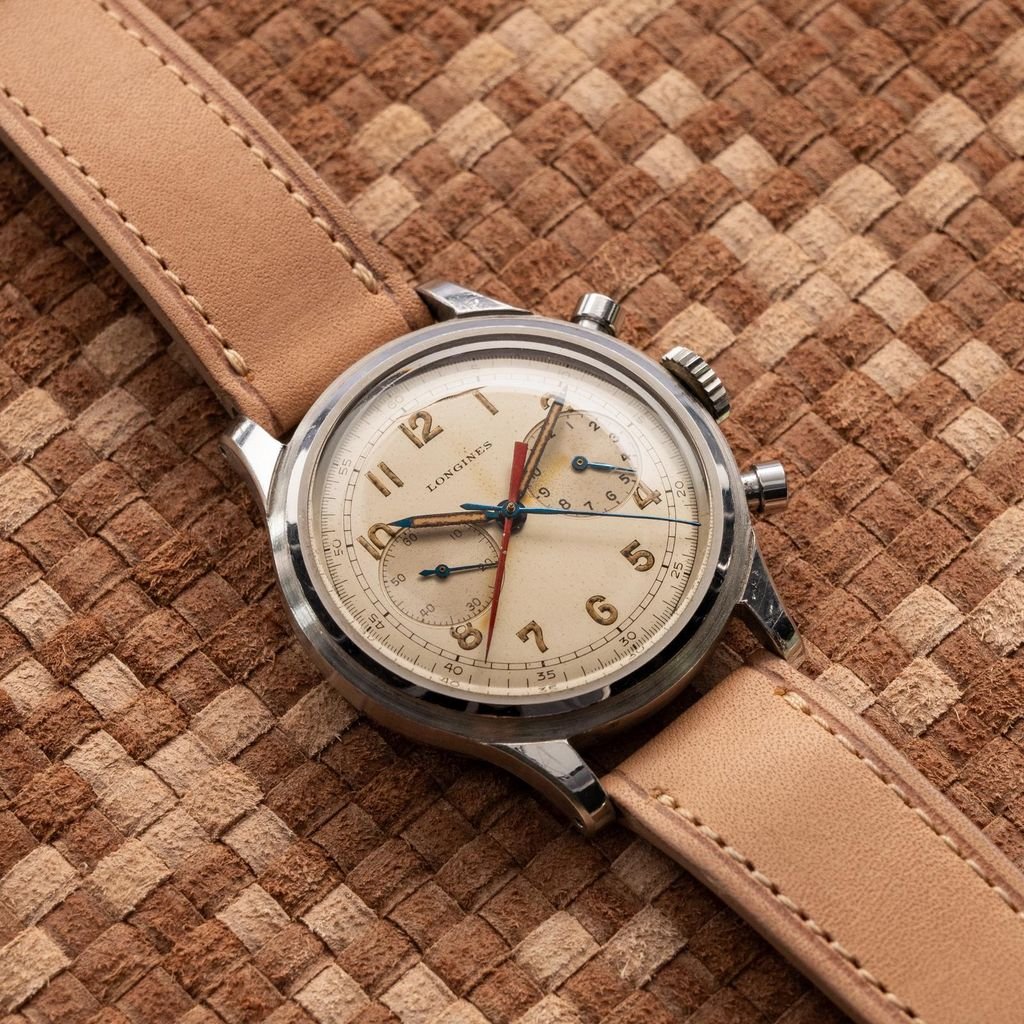
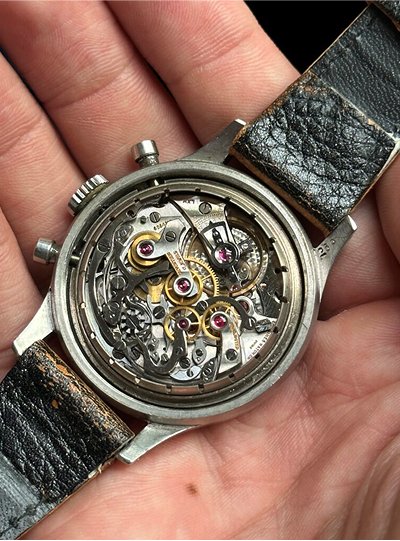
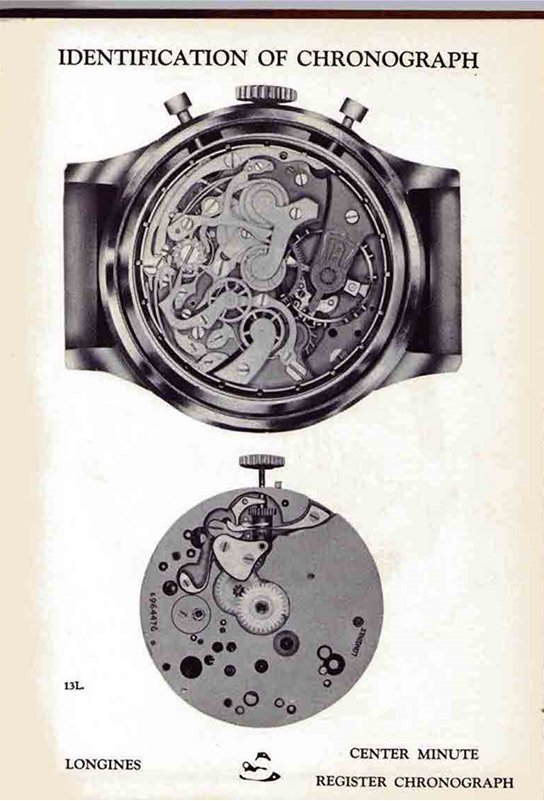
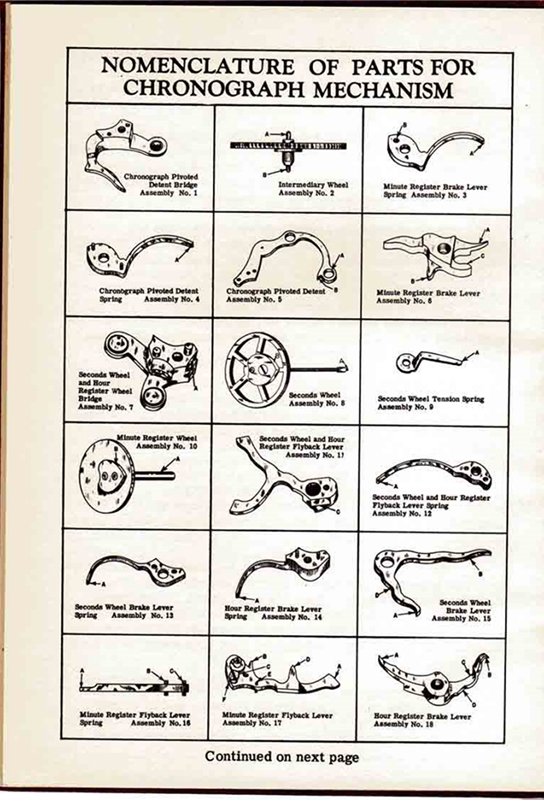
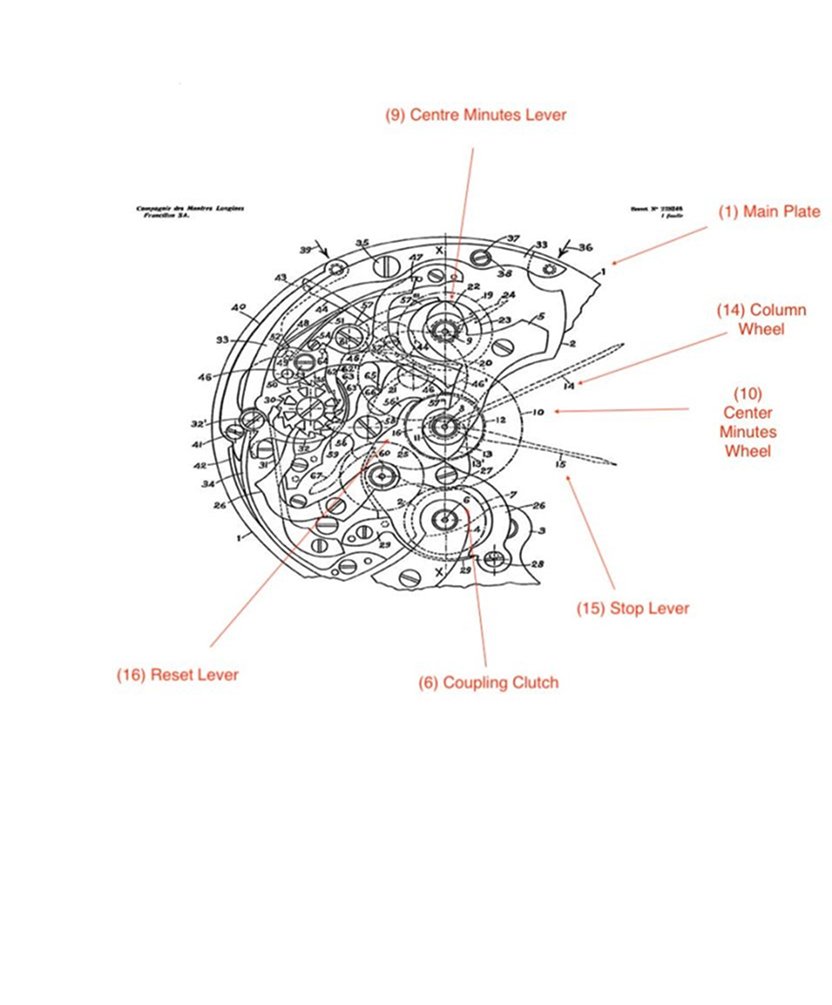
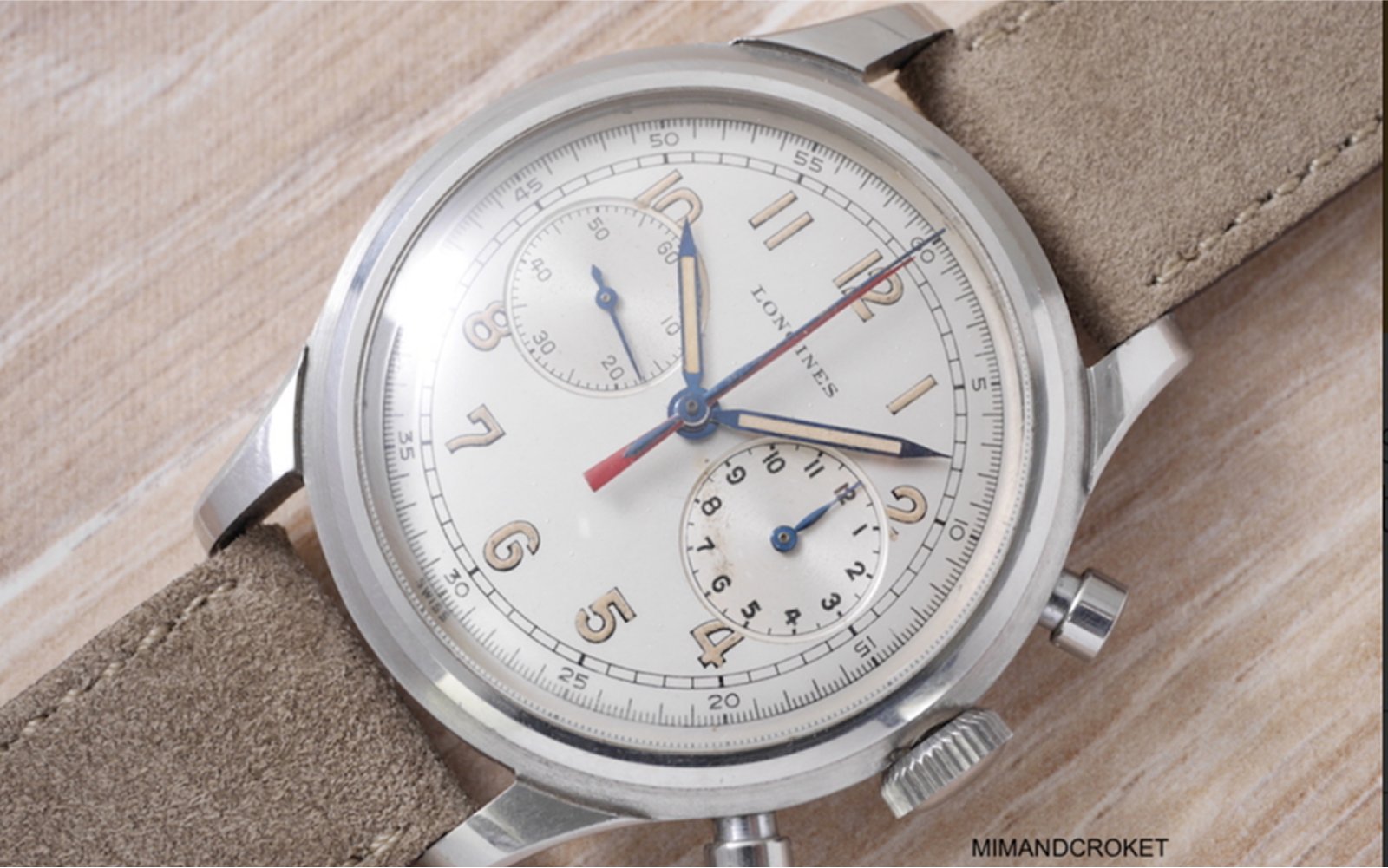
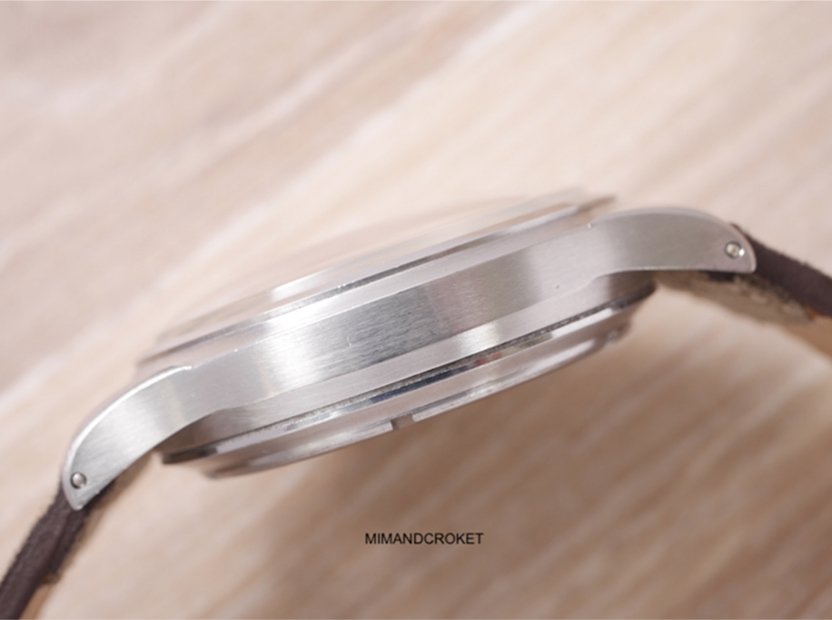
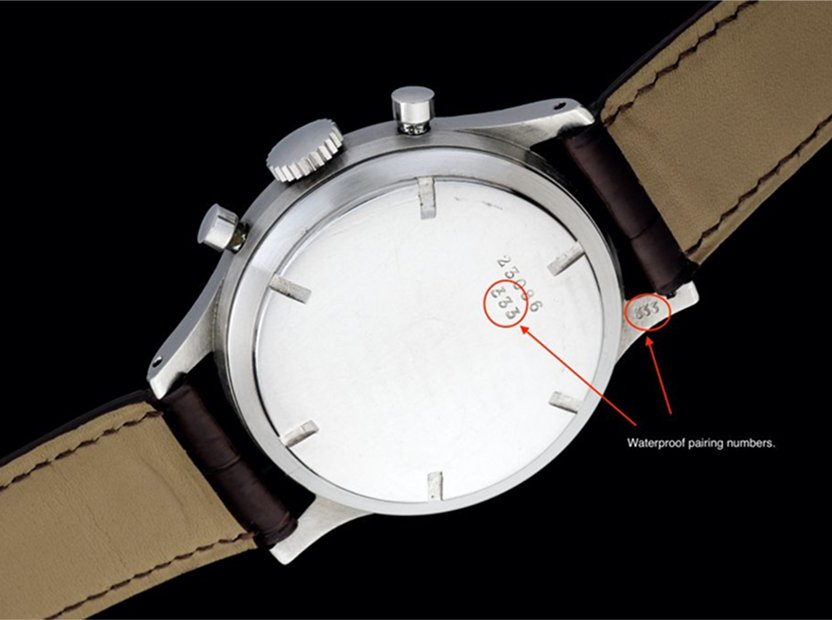
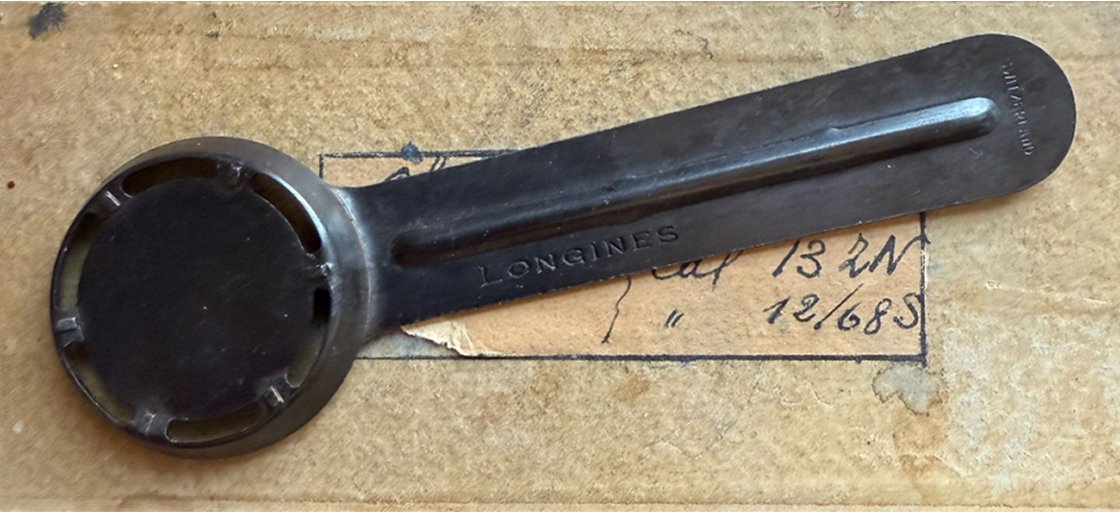
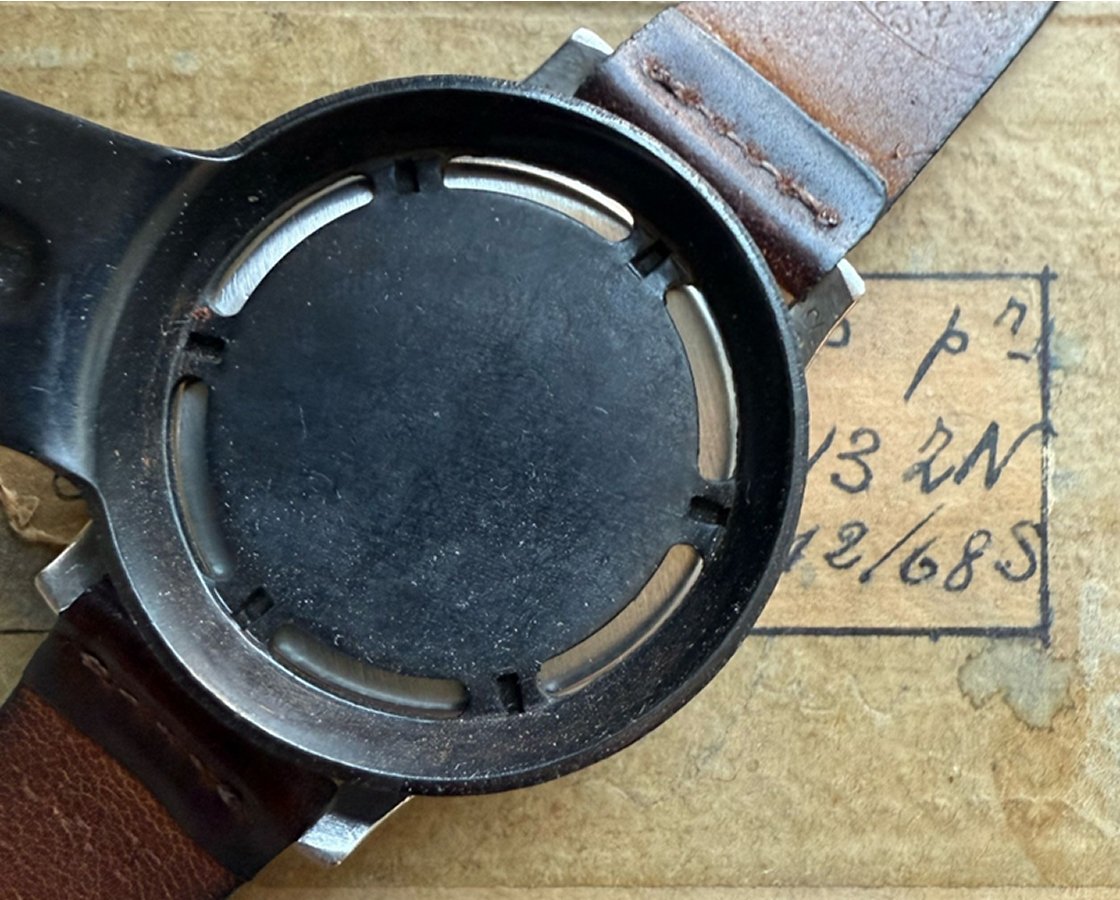
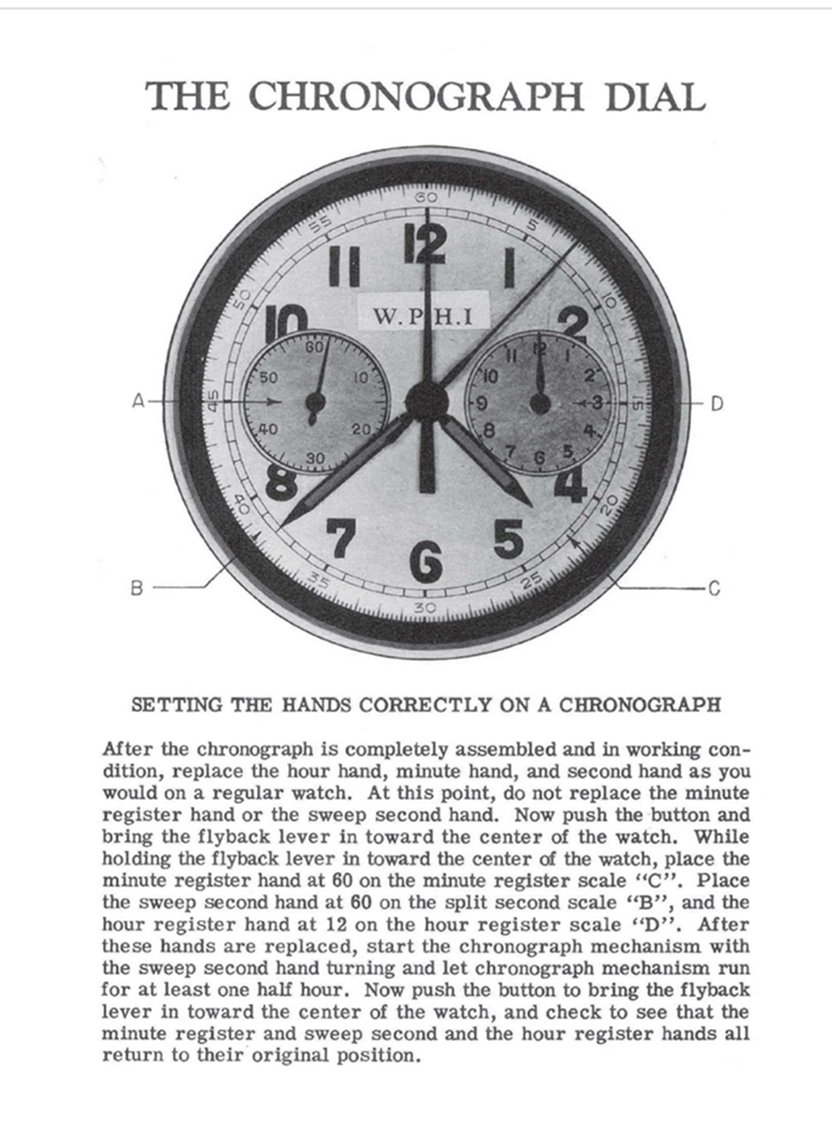
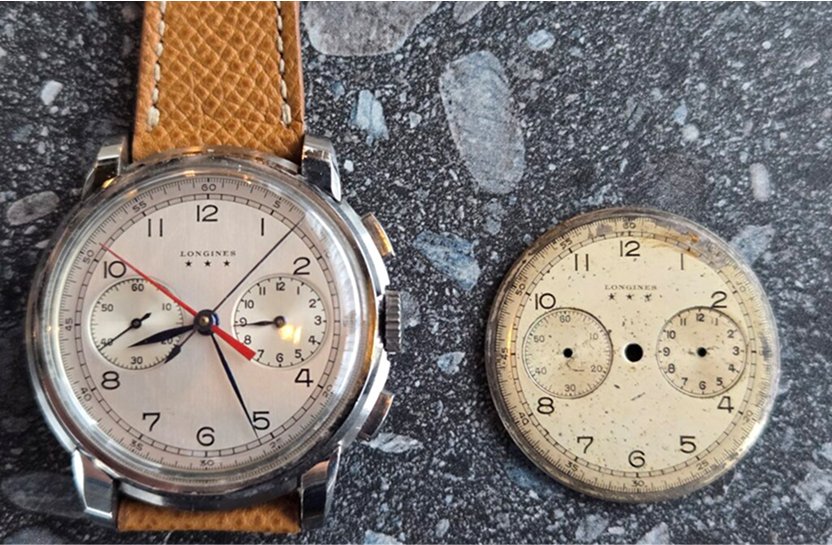
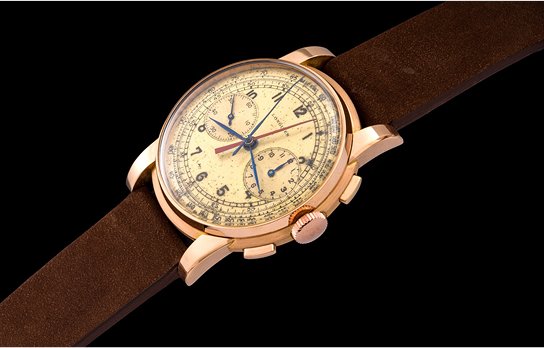
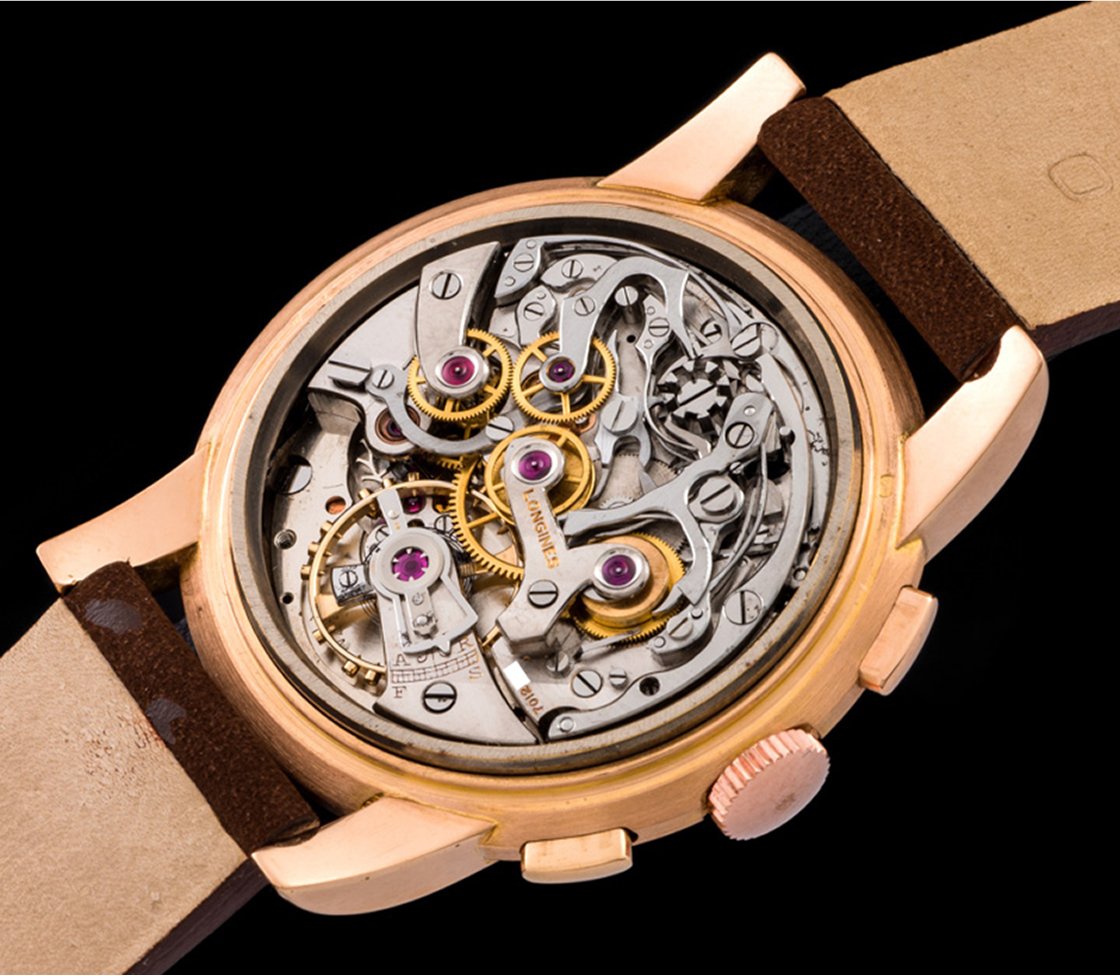
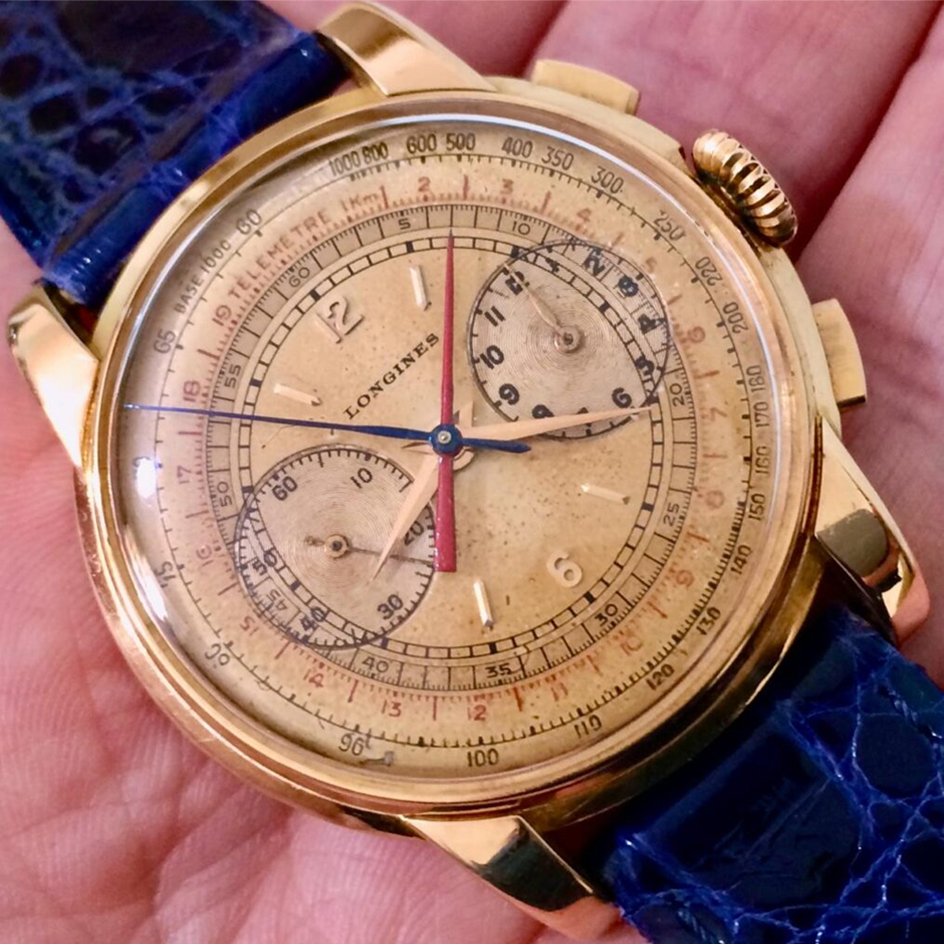
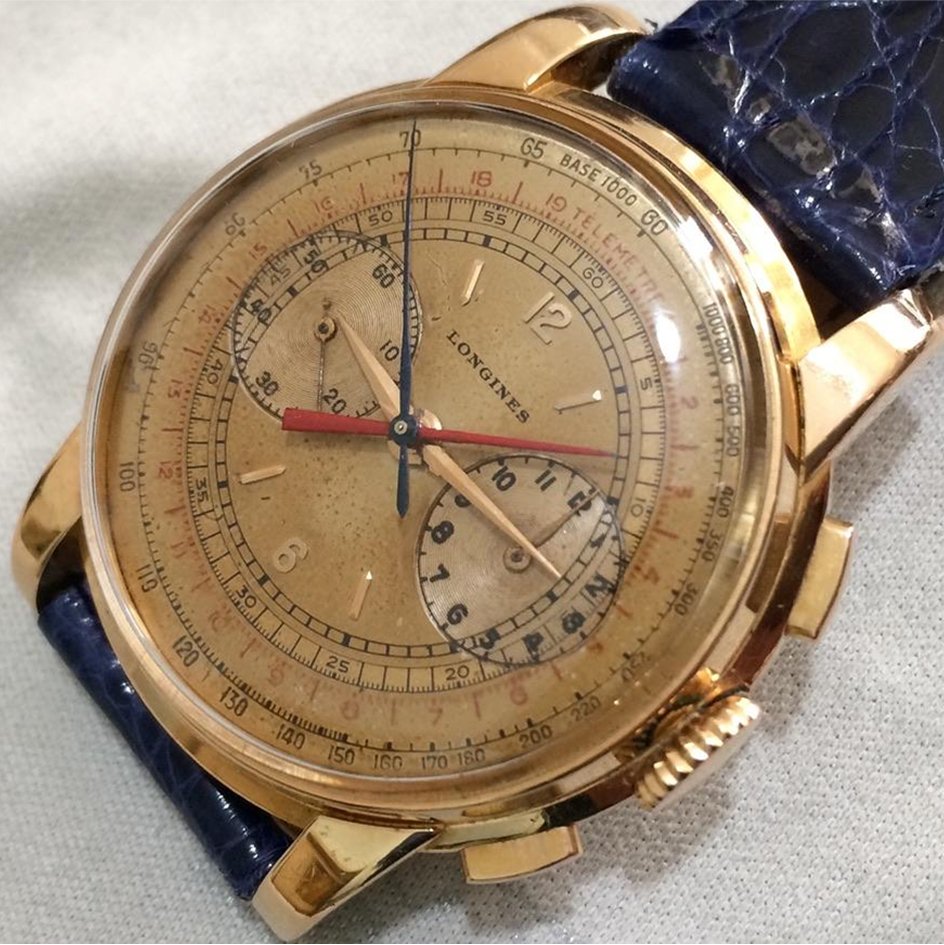
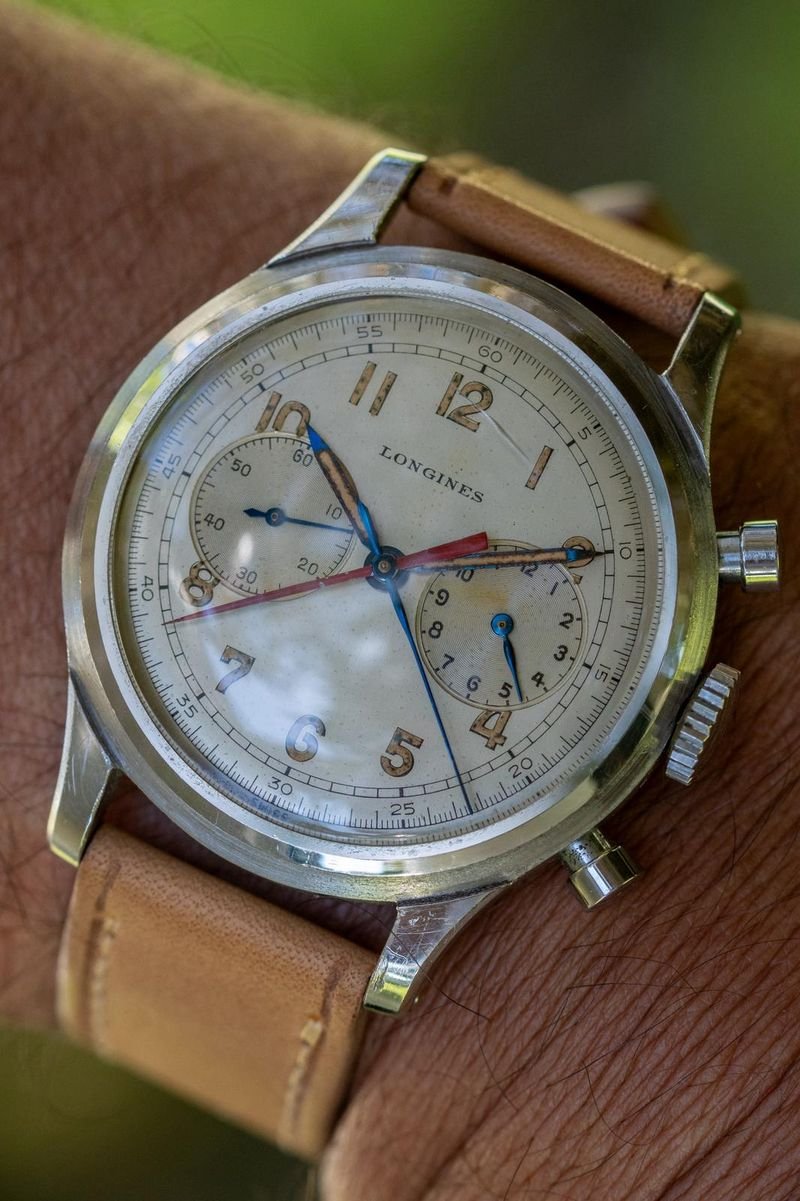
The Longines 13ZN-12, by contrast, featured a far more complex and refined architecture: the central-minute function is driven by a dedicated wheel, friction-coupled under the dial, requiring an entirely separate gear train. This technical sophistication, combined with waterproof cases (ref 5699) and radium dials for pilot use, justified its premium positioning at more than double the Mido’s cost.